Series Award Edition XI — 2nd Prize:
ANASTASIA SIERRA
—
THE WITCHING HOUR
PHOTOGRAPHY : ANASTASIA SIERRA
EDITORIAL : LIFE FRAMER, PICTURA GALLERY & ANASTASIA SIERRA
As I drift off to sleep I can no longer tell my dreams from reality.
We’re delighted to announce Anastasia Sierra as the 2nd Prize photographer of our Edition XI Series Award with her series The Witching Hour, judged by Lisa Woodward and Mia Dalglish, co-curators at Pictura Gallery in Bloomington, IN.
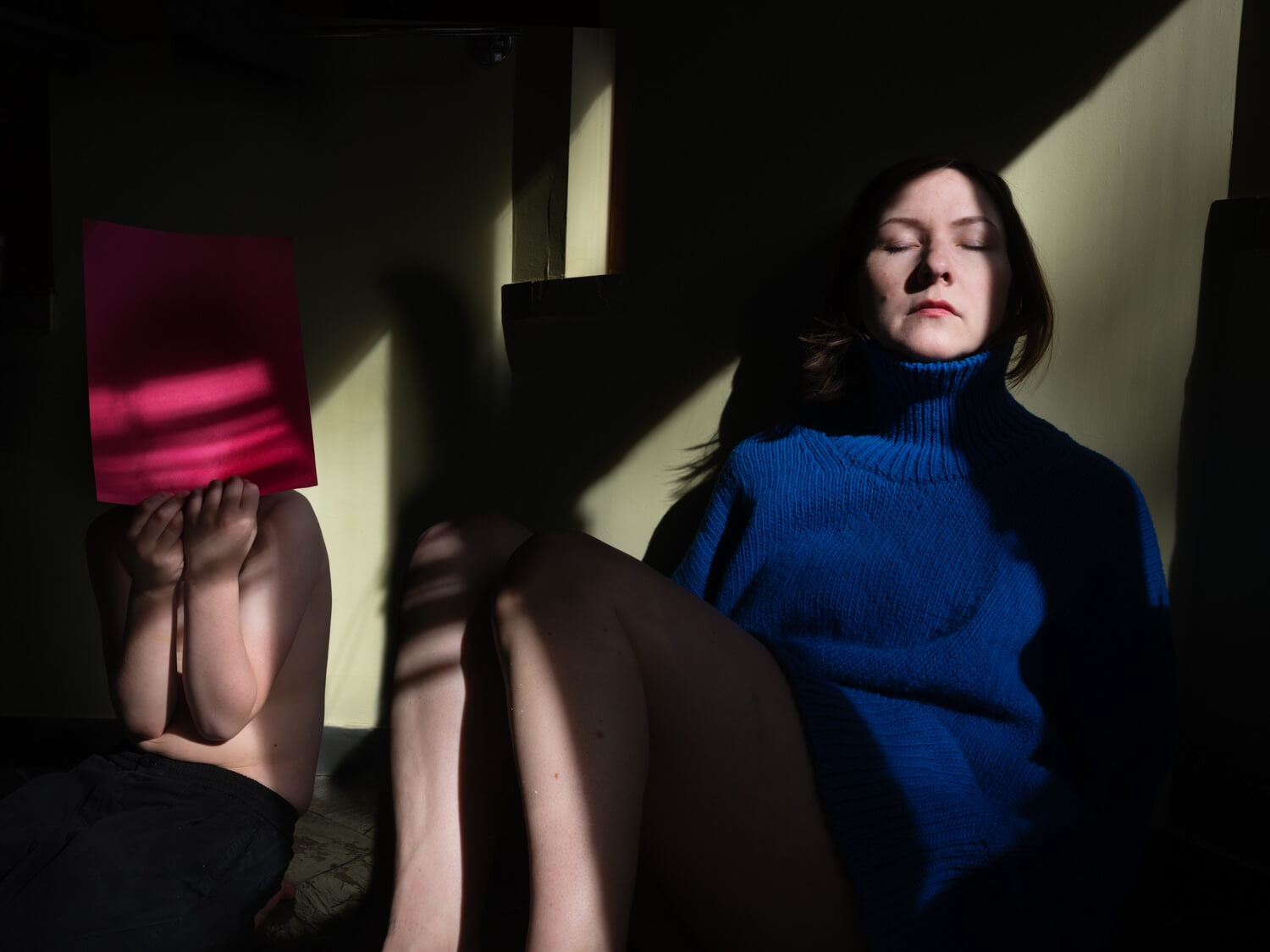
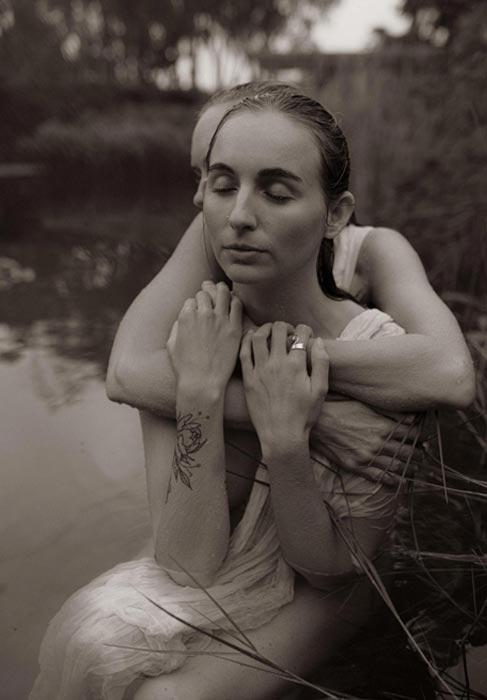
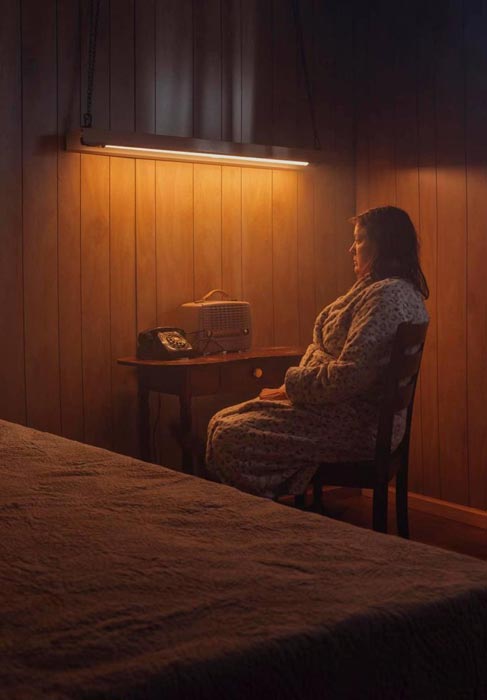
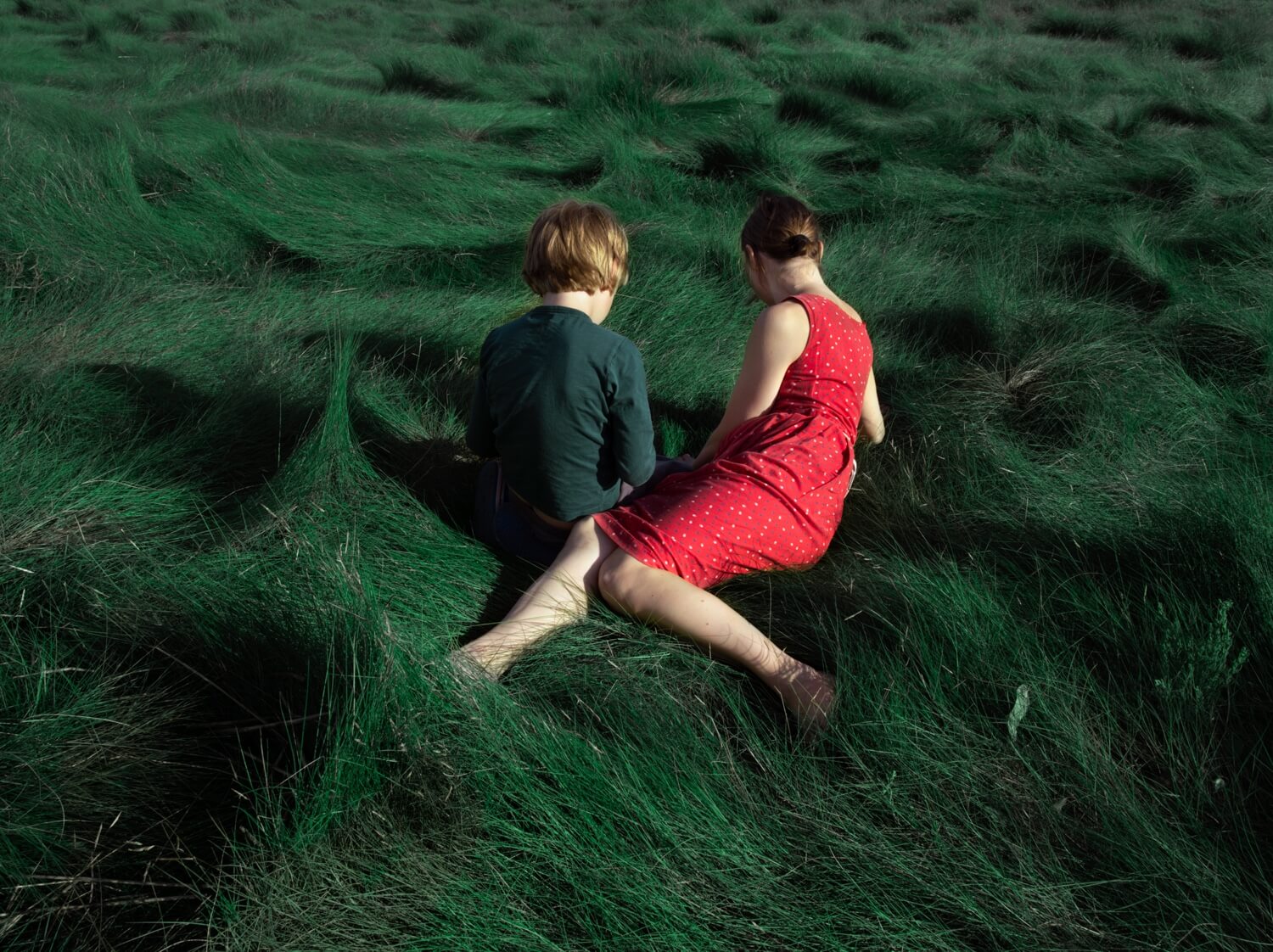
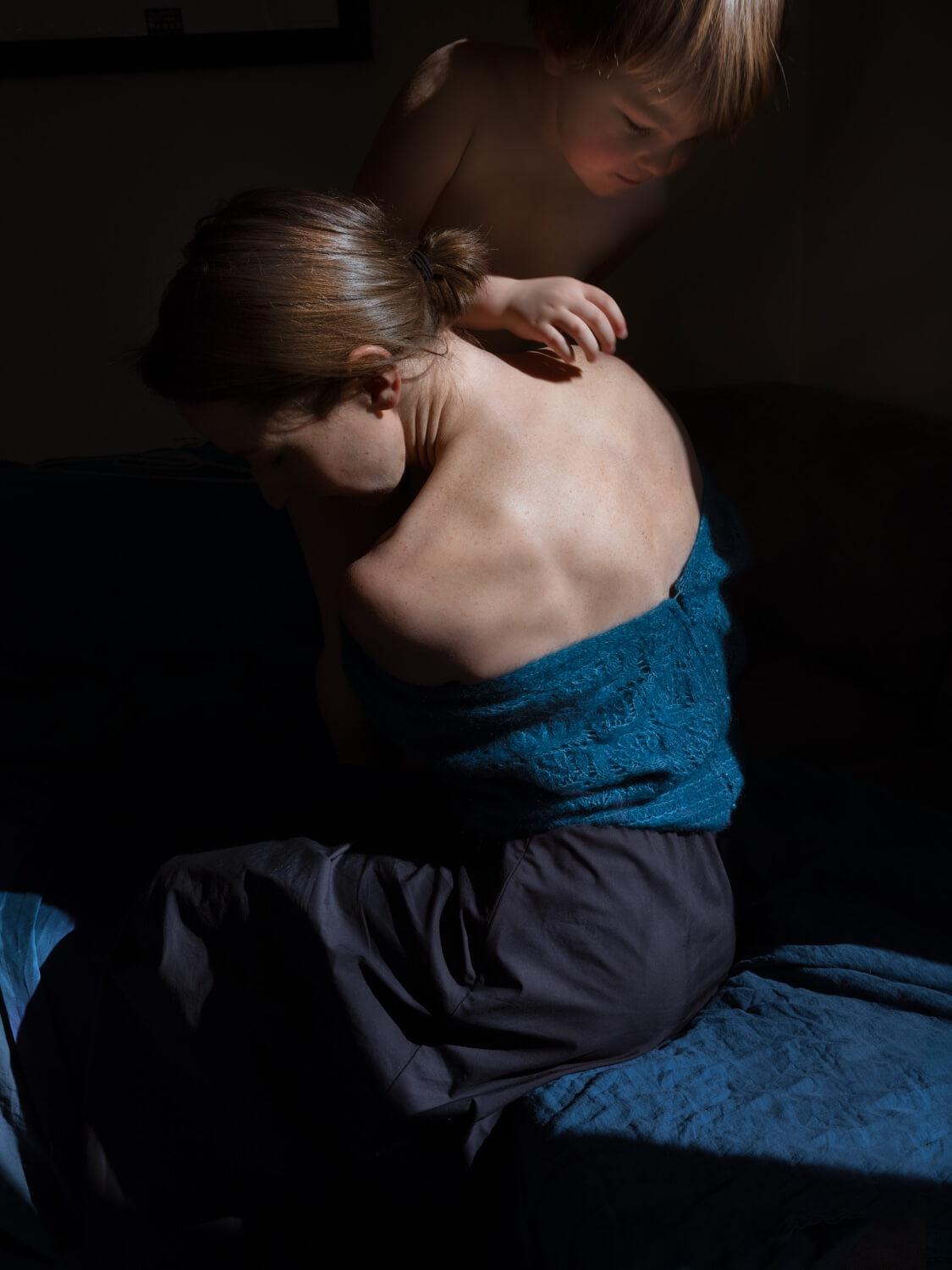
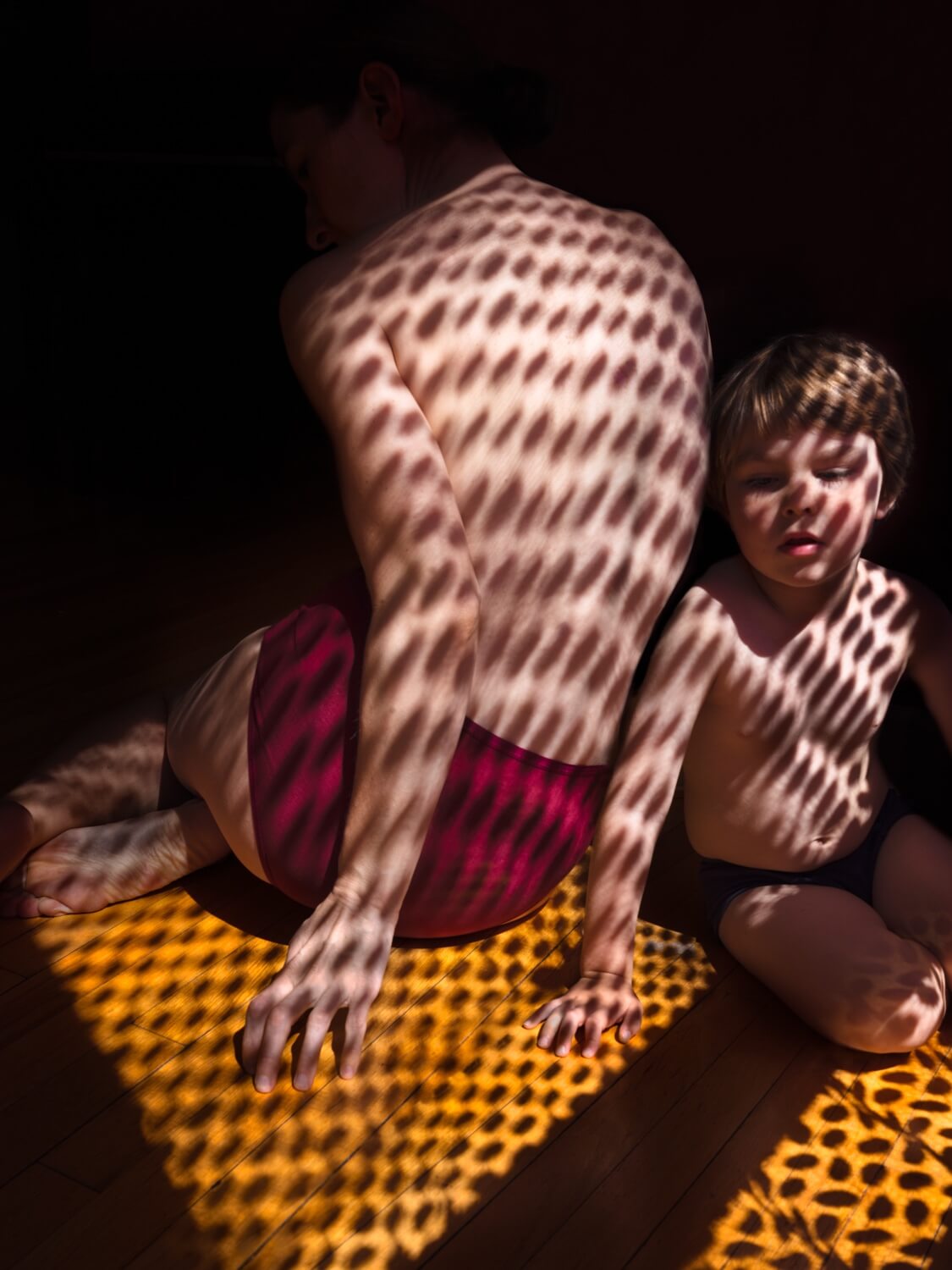
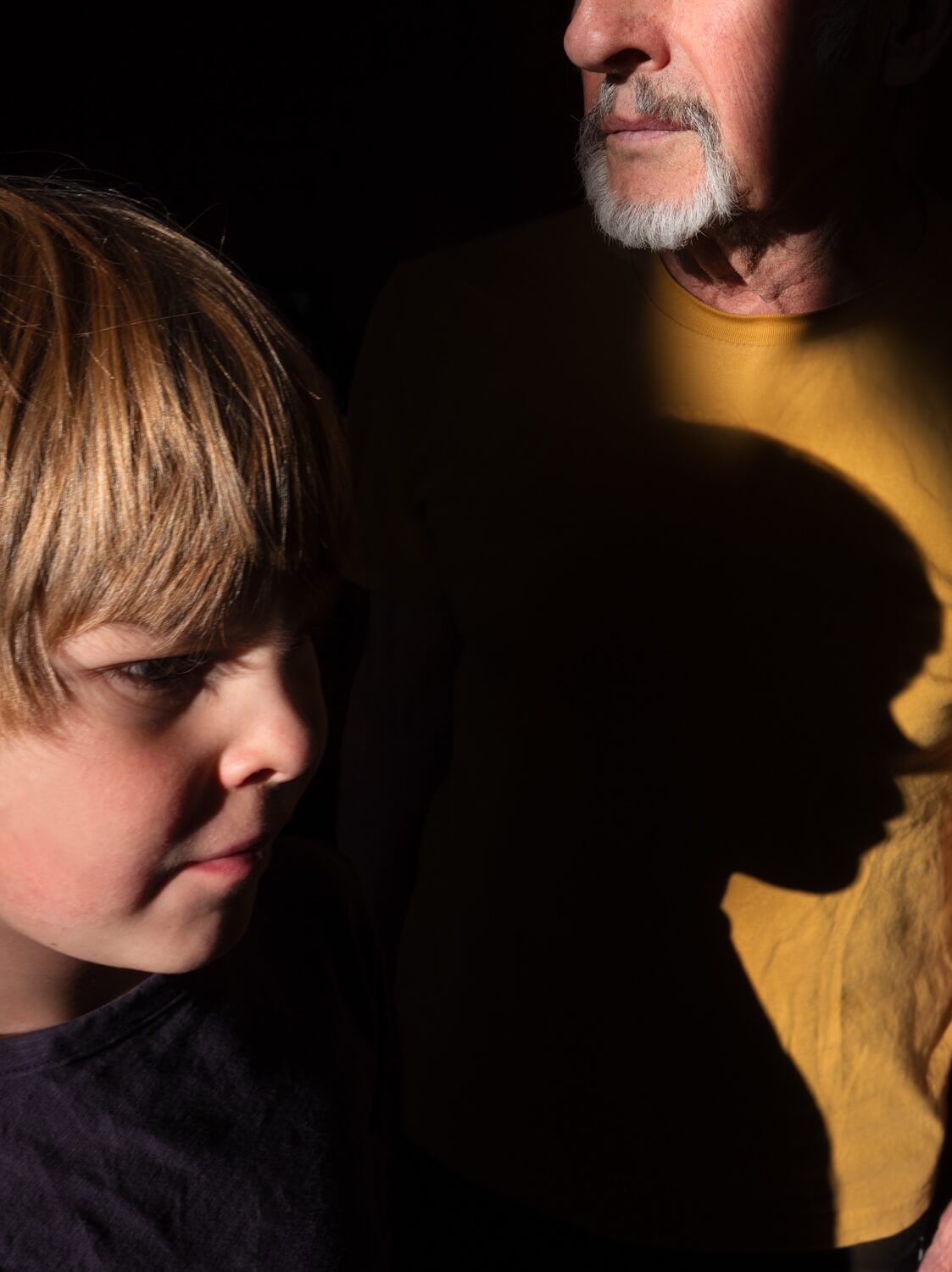
Anastasia Sierra creates a small stage from her surroundings, where her family members are bathed in theatrical shafts of light. In her series, The Witching Hour, the main characters are a mother, her son, her father, light, shadow, shape, and color. The pictures they make together show a mother’s complicated emotional state, as she watches her child grow from infancy to boyhood.
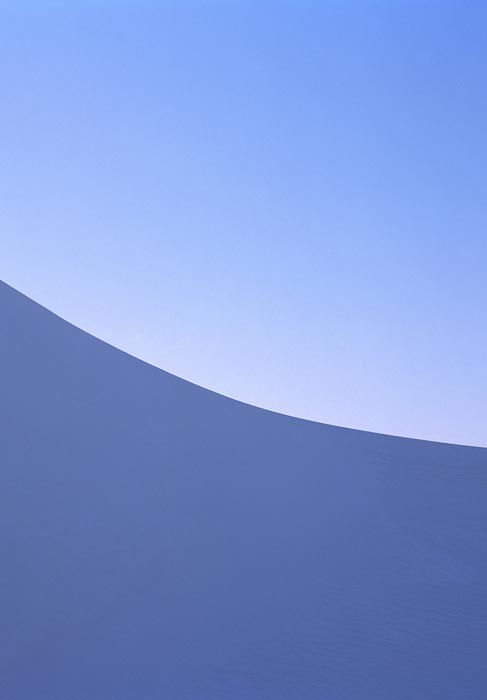
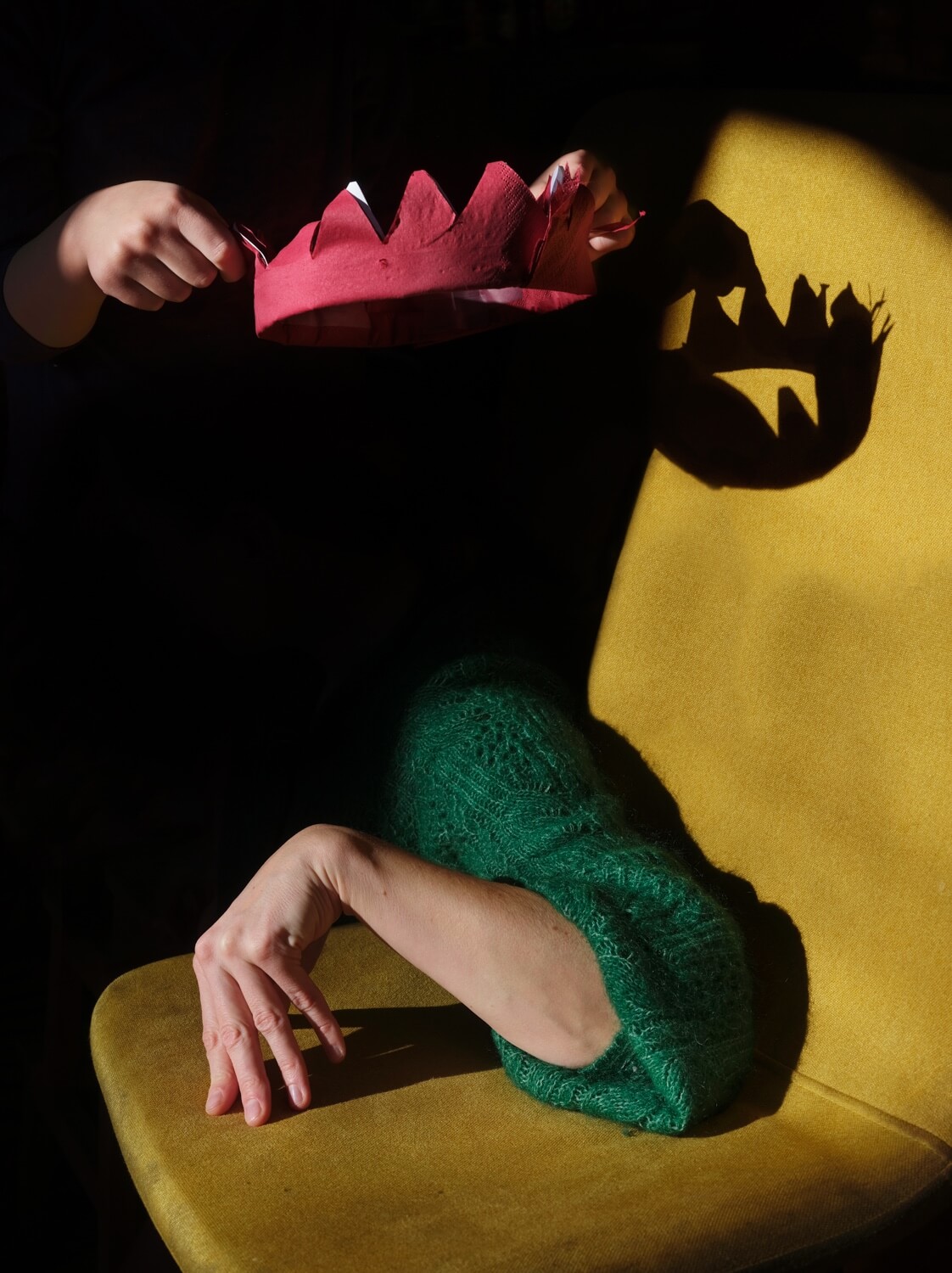
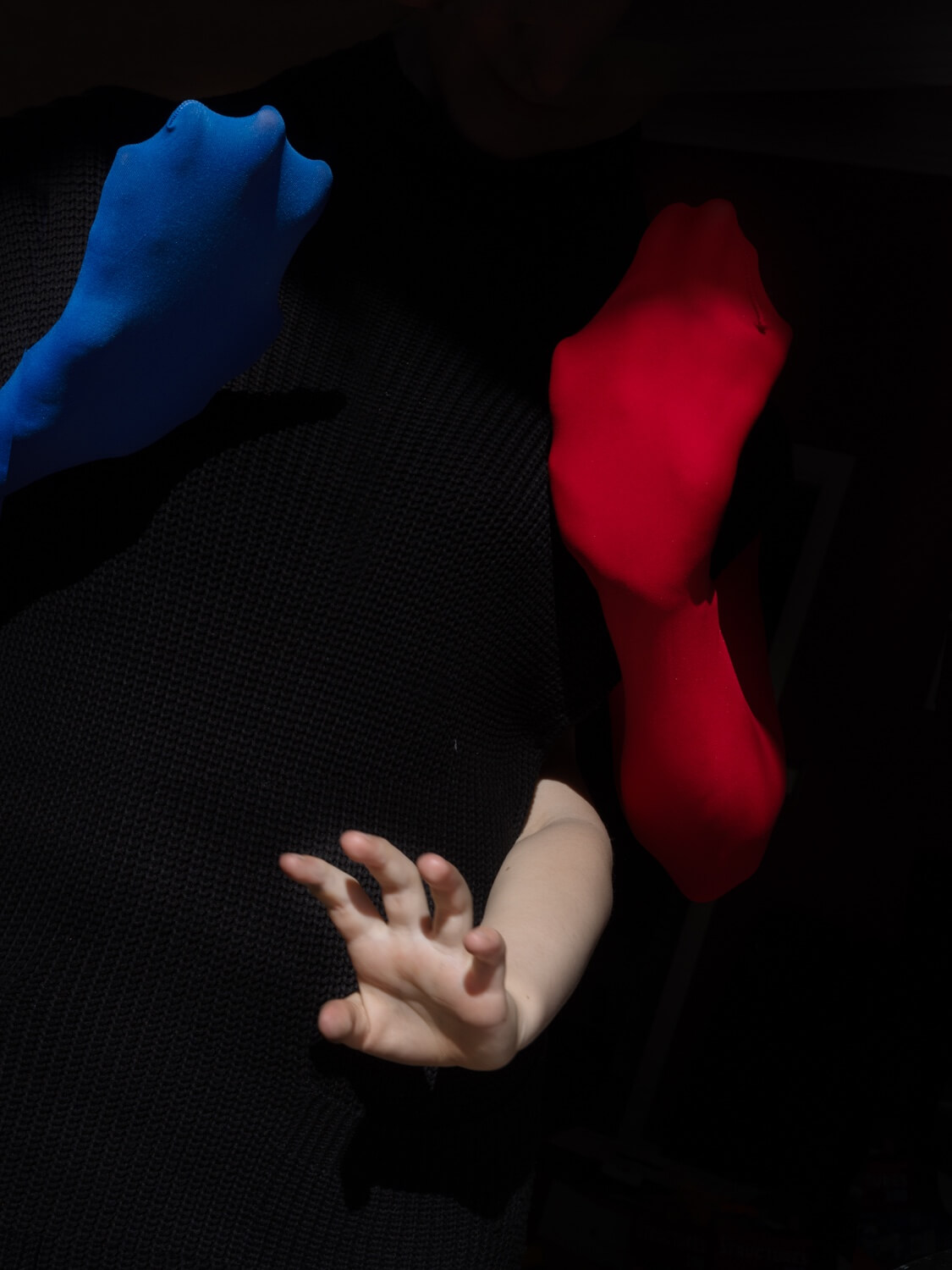
Many of Sierra’s photographs feel like they were constructed by a painter, by someone facing the blank canvas while imagining the colors taking shape. If an image feels like a 16th century Madonna, it’s not because Sierra is recreating particular paintings, it’s because she innately creates with a similar language. Her compositions are intuitive and exciting. Backgrounds are obscured by deep shadows; fabrics and textures come forward and take center stage. Planes of space are compressed. Normal signifiers of domestic life recede, and a new space is revealed, one where the emotions that pass between parent and child are made visible.
Contemporary photographers who are mothers are not afraid to share the tensions in the vocation, between beauty and maddening chaos, between the strength mothering requires, and the sense of self that can disappear amidst all the work of parenting. Sierra, illustrating her own experience of motherhood, touches on these pressures, and also has something else distinct and valuable to add to the dialogue.
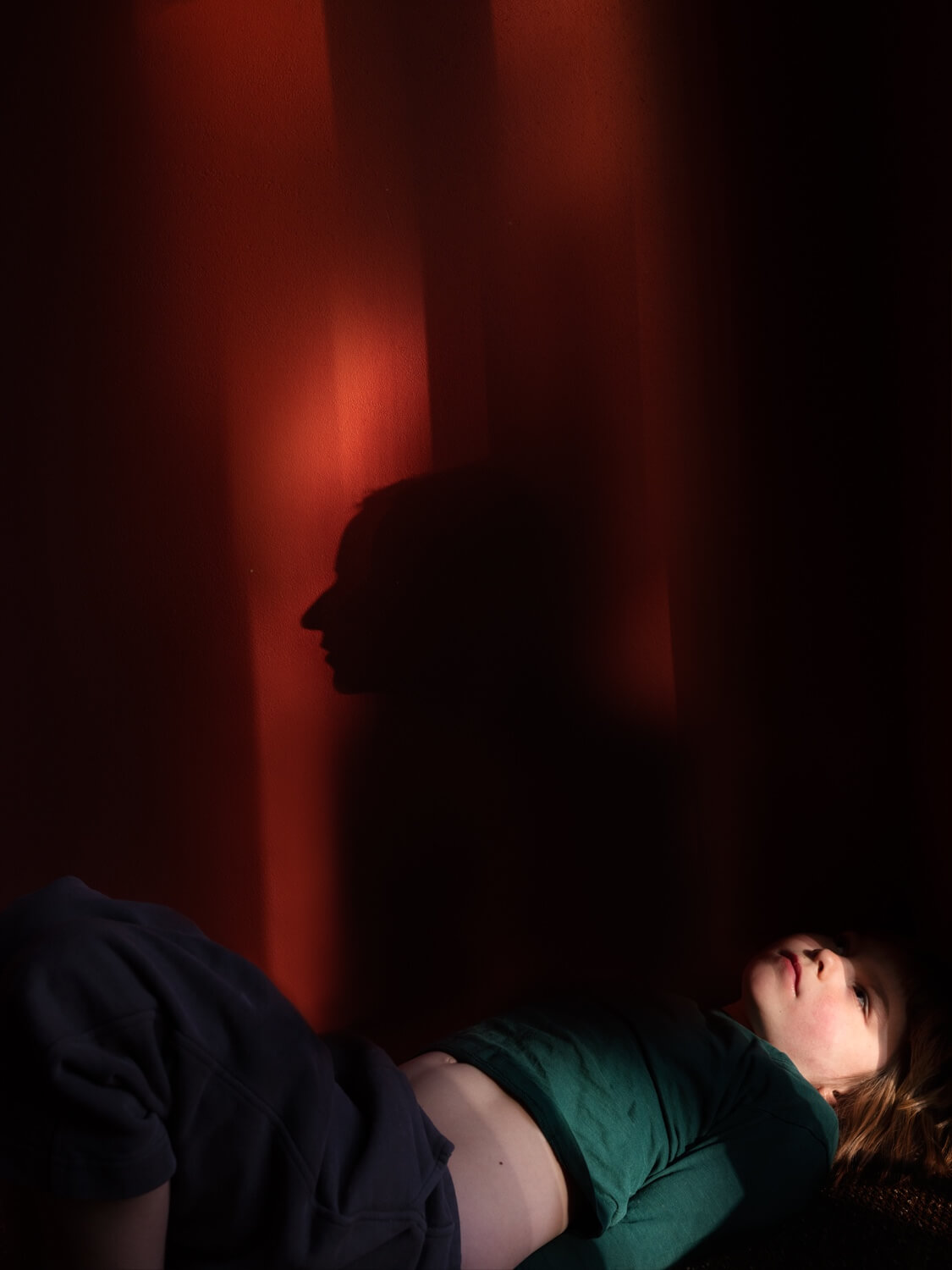
Her aesthetics are so singular that they give way to a more complex conversation about parenting and caretaking. In one photograph, her son lies on the ground looking upwards. A shadow stretches across his chest and morphs into his mother’s silhouette on the wall behind him. It’s as if the boy is birthing the shadow- as if he has somehow delivered her form into being, and not the other way around. In other photographs, her own father comes into the picture, and Sierra shifts from the role of parent to that of daughter. Viewers are left with much to think about in their own family relationships, and of what it means to hold onto oneself while loving another.
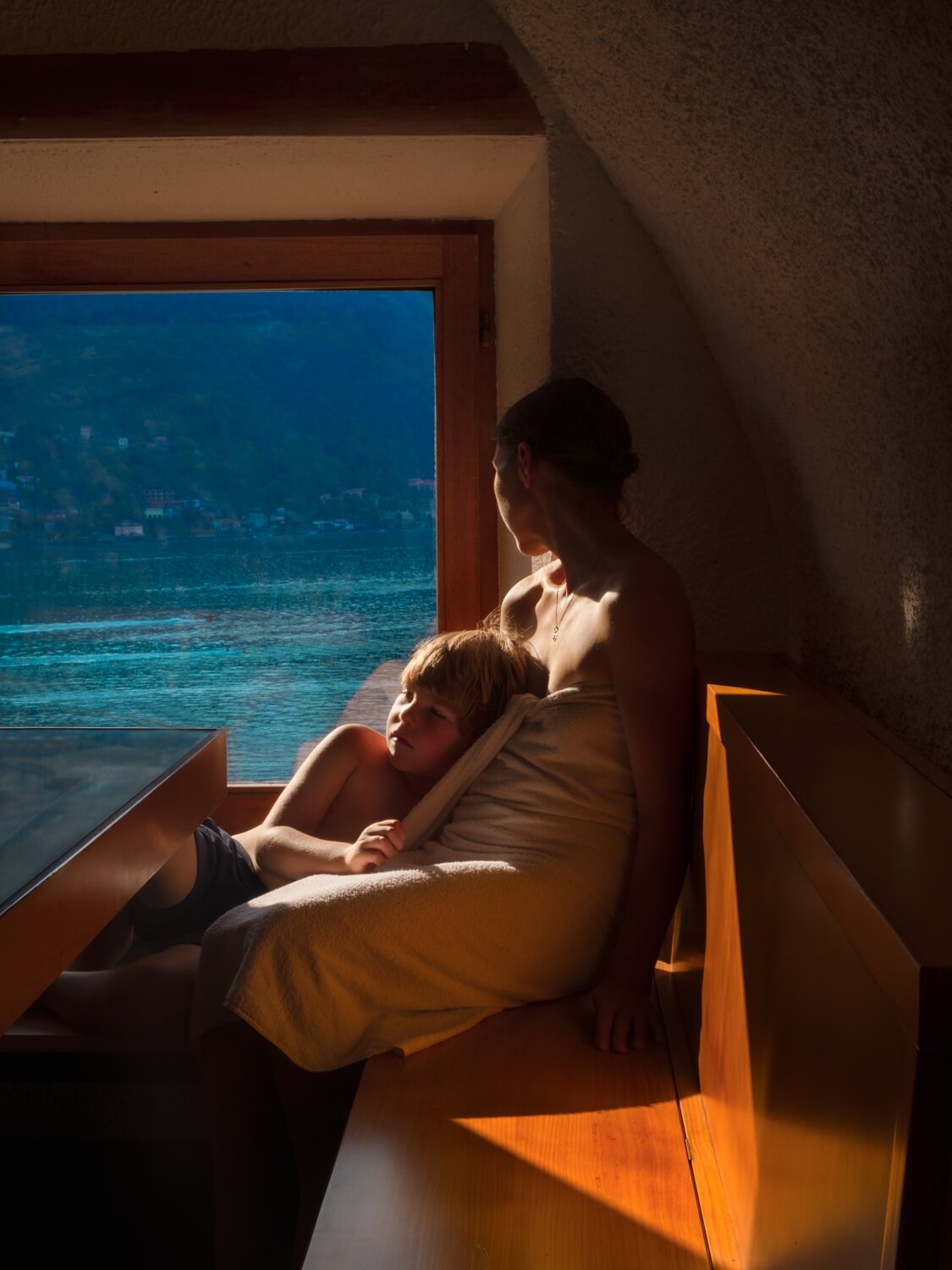
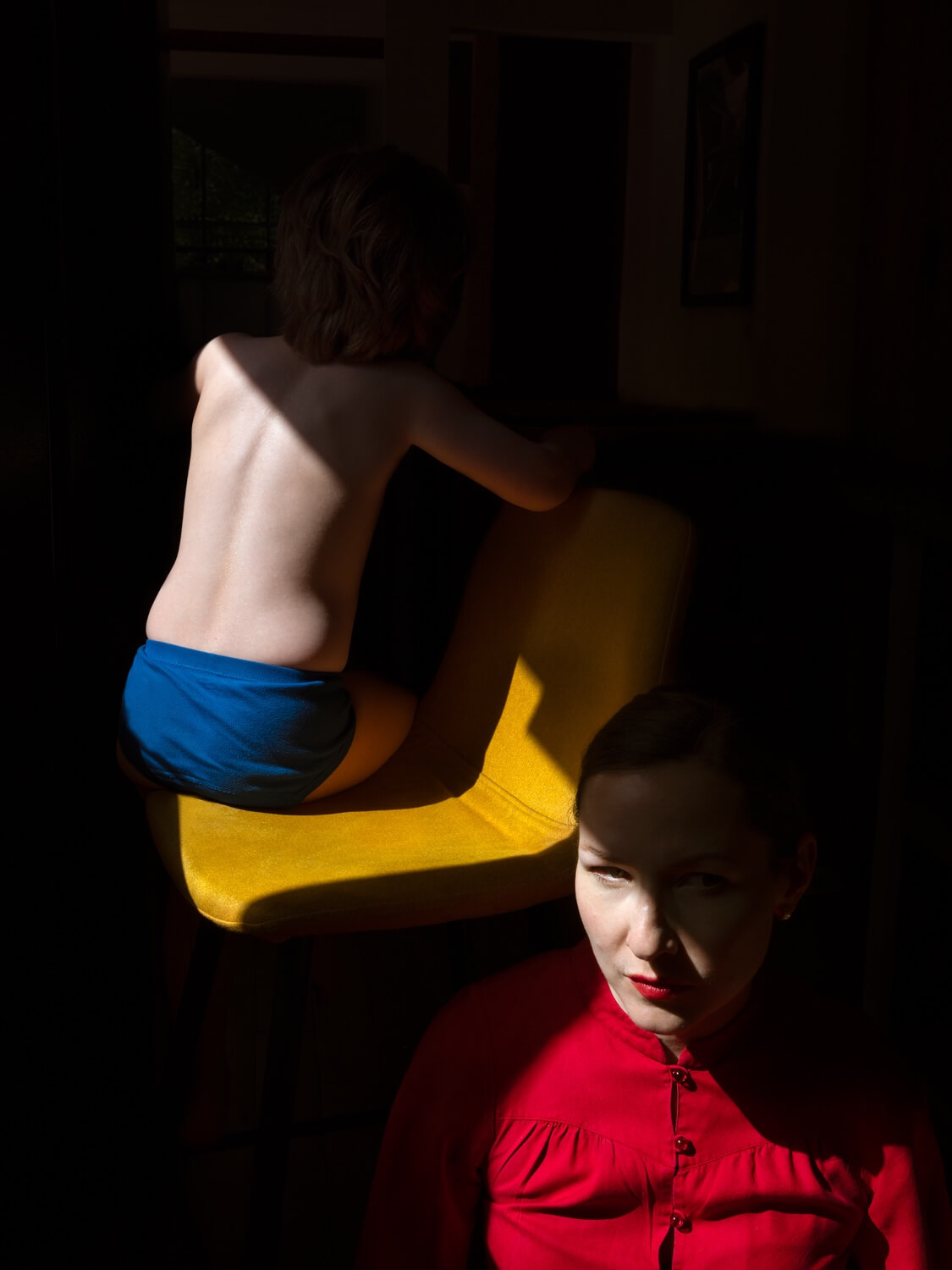
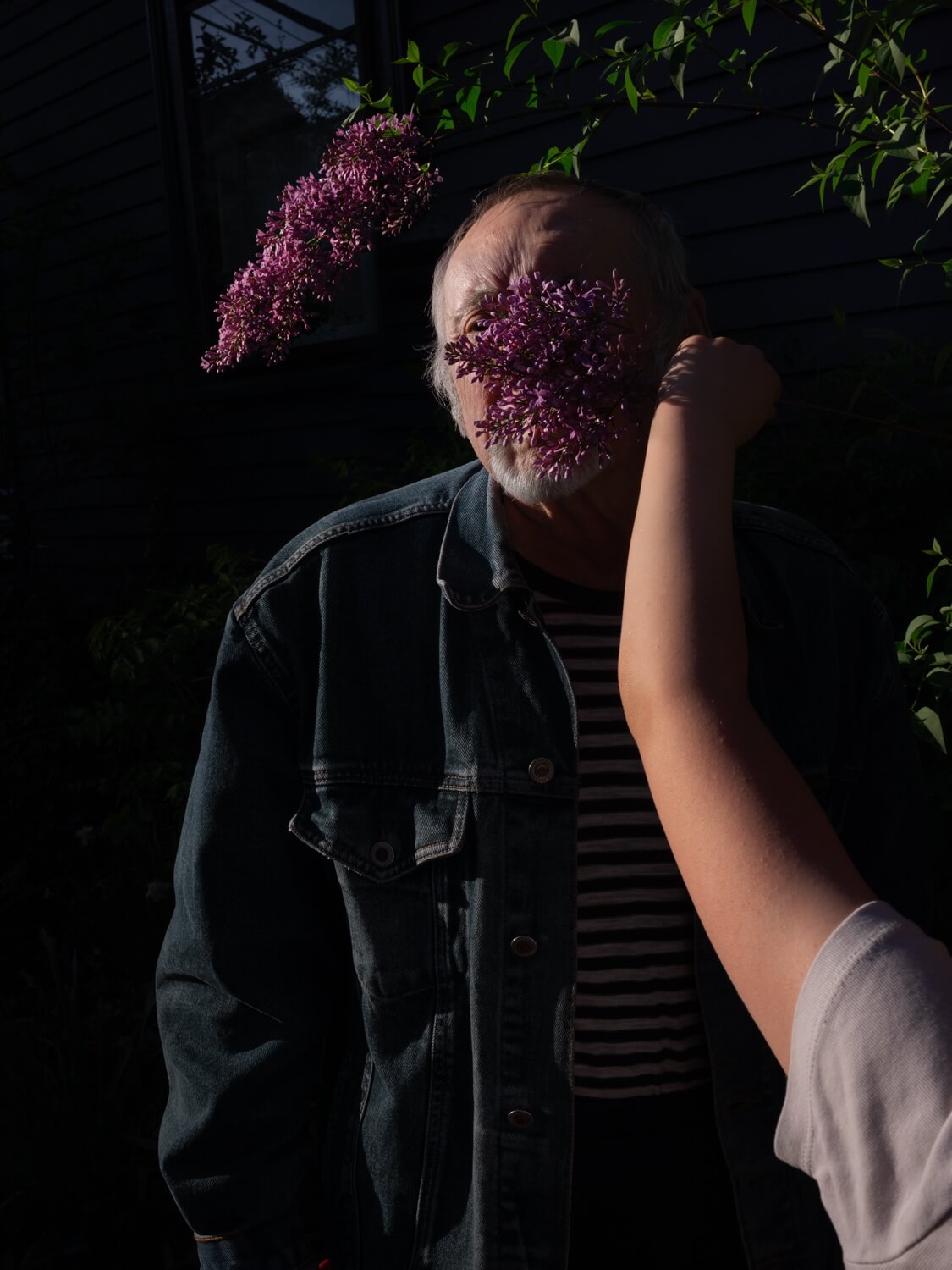
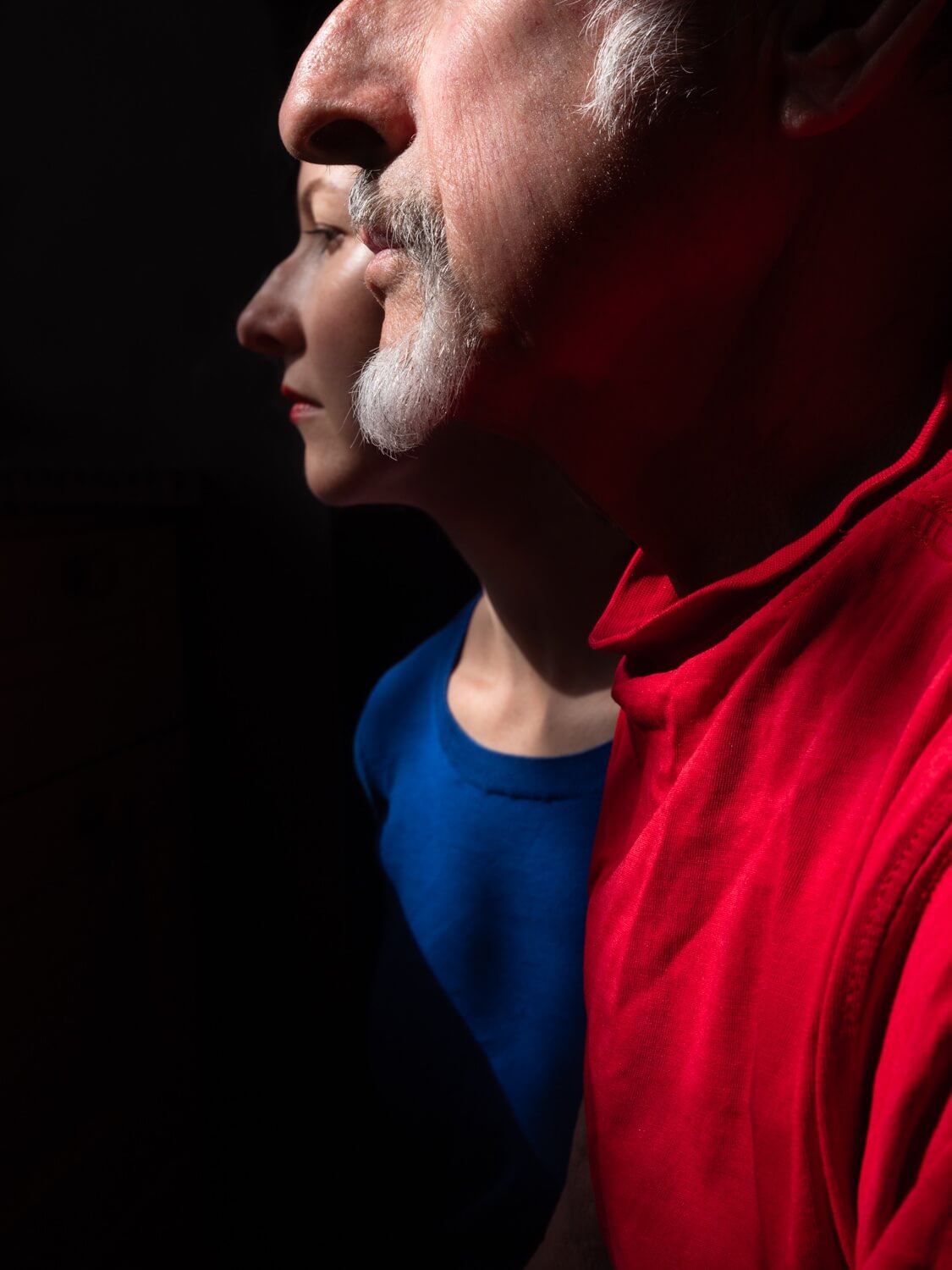
I become a mother and stop sleeping through the night. Years go by, my child sleeps soundly in his bed but I still wake at every noise. My father comes to live with us and suddenly, I am a mother to everyone. As I drift off to sleep I can no longer tell my dreams from reality. In one nightmare my father tells me he’s only got two weeks to live. In another, I am late to pick up my son from school and never see him again. I am afraid of monsters, but I move towards them: we circle each other until I realize they are just as afraid of me as I am of them.
My images follow the logic of dreams, where we are trapped in a strange colorful world, playing an endless game of hide-and-seek in a labyrinth of love and fear, knowing there is no way to escape but to wake up.
This work meditates on the emotional landscape of motherhood and parent-child relationships, where tenderness, intimacy, and play entwine with guilt, frustration, and a constant sense of what could be lost.
– Anastasia Sierra
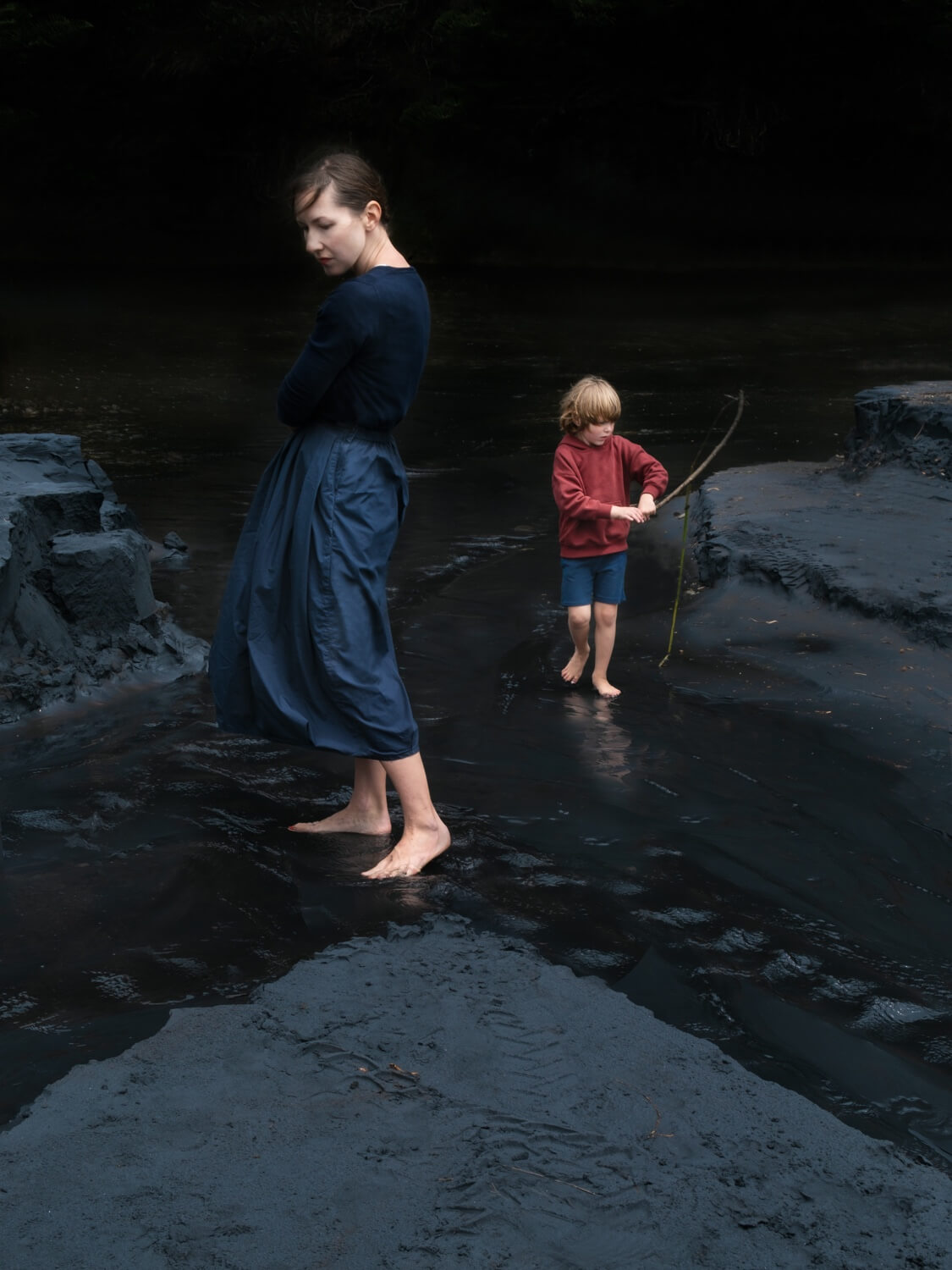
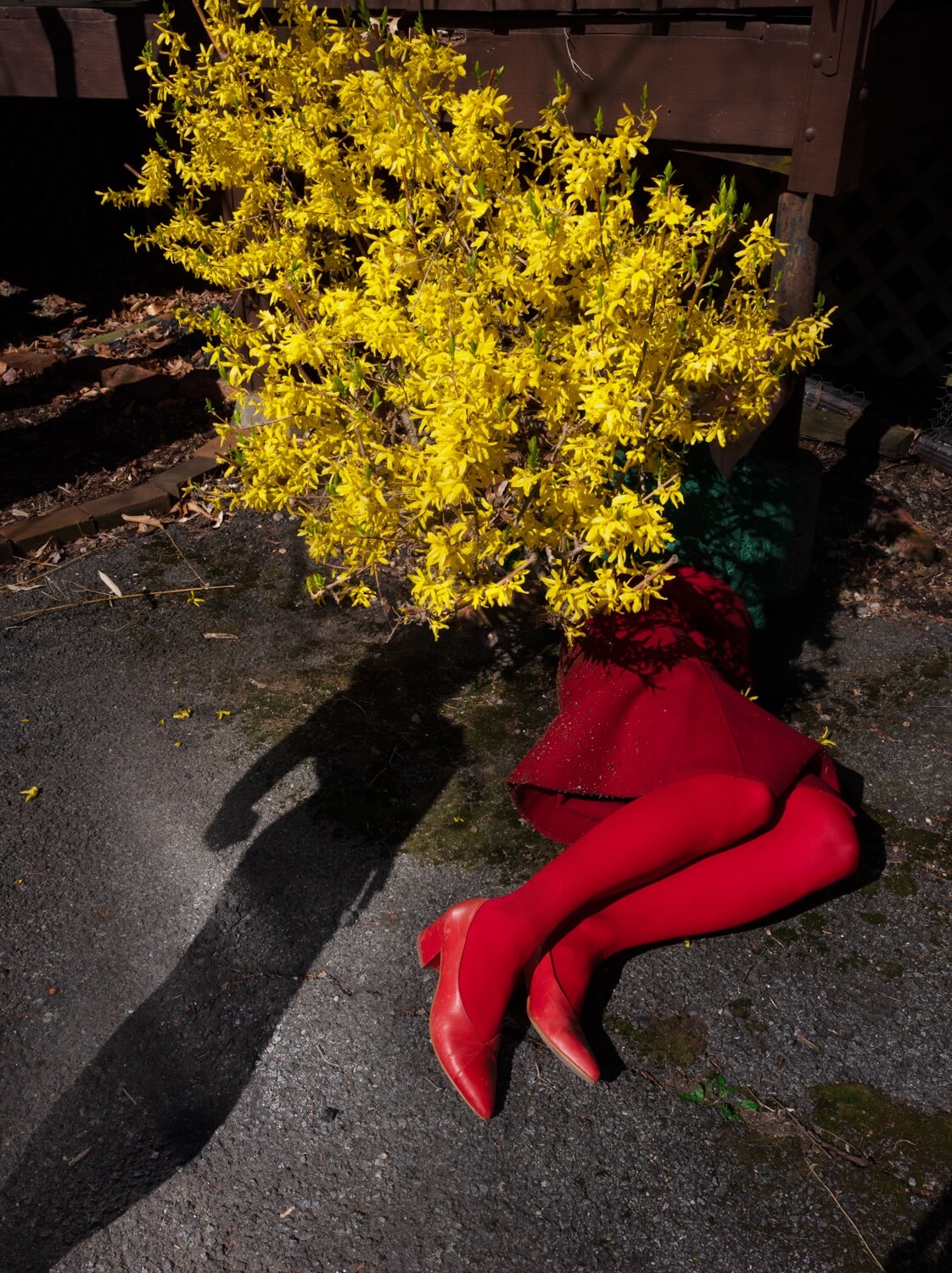
Many of Sierra’s photographs feel like they were constructed by a painter, by someone facing the blank canvas while imagining the colors taking shape. If an image feels like a 16th century Madonna, it’s not because Sierra is recreating particular paintings, it’s because she innately creates with a similar language. Her compositions are intuitive and exciting.
The presiding jury