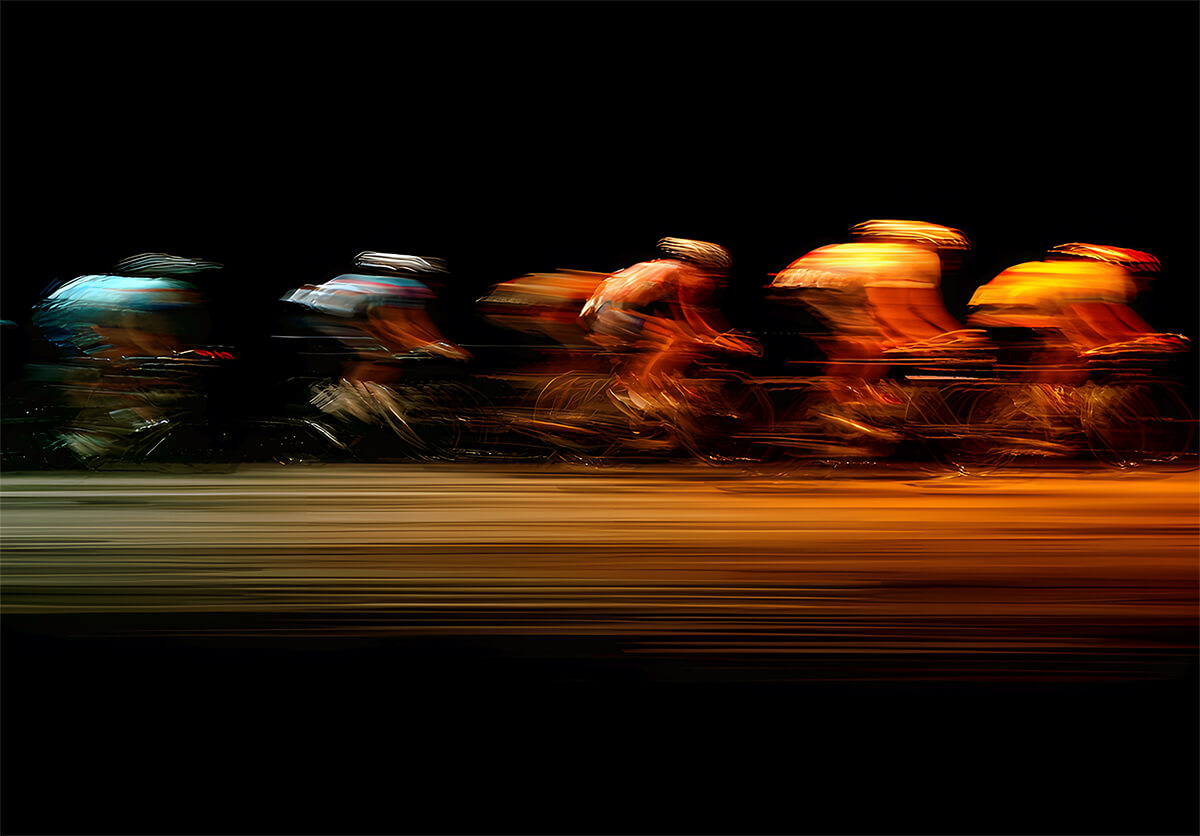
INTERVIEW
Something Real and Unguarded
WITH MATHIEU VANDERSTICHELE
AN INTERVIEW WITH MATHIEU VANDERSTICHELE
“What matters is the authenticity of the moment and the possibility to create an image that feels timeless, an image that reveals something real and unguarded.”
Mathieu Vanderstichele won 1st Prize in our first competition of Edition VII, Animal Kingdom, with a striking close-up portrait of an owl that judge Randal Ford described as “precise yet emotionally resonant… both restrained and undeniably powerful”. As a photographer not previously on our radar, we were keen to put some questions to Mathieu – about the winning image, the role of photography in his life, his poetic captions and the changes he’s seen in his 30 years behind the lens…
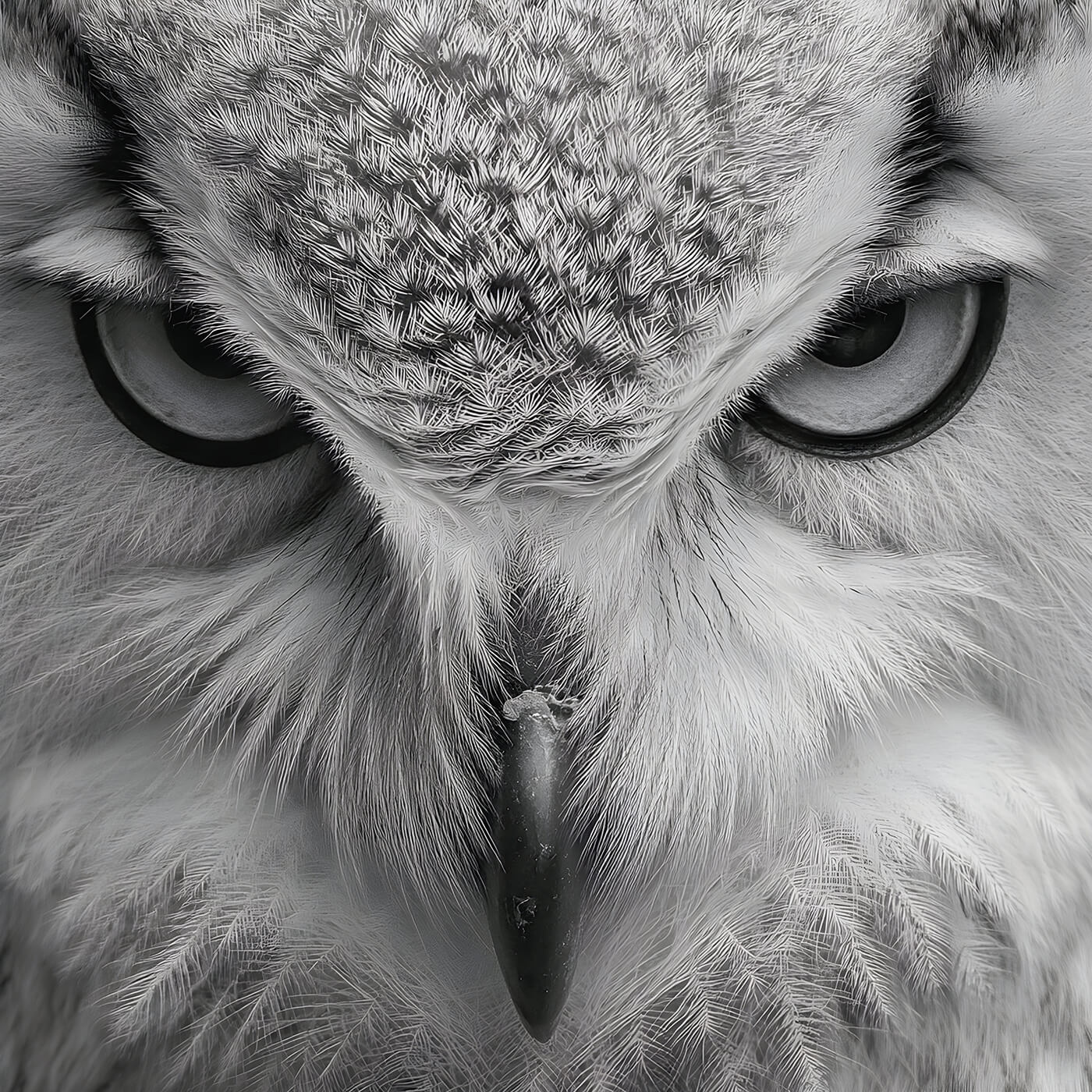
MATHIEU’S WINNING ANIMAL KINGDOM IMAGE
Mathieu, congratulations on winning our Animal Kingdom competition! Please introduce yourself to the reader in a few words…
My name is Mathieu V. I create photographs that are printed on aluminium dibond. Afterwards, I work over the surface using a sanding machine to further refine the image according to my artistic vision, allowing the final work to fully come into its own.
In my animal photography, I try to incorporate a strong sense of emotion and feeling, so that viewers can experience recognition and create a personal connection with the image.
What role does photography play in your life?
Photography is one of the most important things in my life, alongside my daughter, who gives me a great deal of strength.
I find motivation in it every day – through the people I meet, the moments that are created, and especially the emotion I see when someone looks at my work or decides to purchase a piece. That reaction is incredibly motivating and is the main reason why I continue doing what I do.
I have been working in photography for over thirty years now, which makes it even more meaningful that I can still continue this journey.
Judge Randal Ford described your winning image as a “portrait that is both restrained and undeniably powerful”, praising “its striking symmetry and extraordinary control of tone and texture”. Can you tell us a little more about the shot and the circumstances behind it?
The image was created during a very quiet and concentrated moment in nature. I was immediately struck by the natural symmetry in the animal’s posture and surroundings ,it felt almost as if the scene had composed itself.
What interested me most was the balance between strength and vulnerability. The tones were deliberately kept subtle, allowing texture to play a leading role. When printing on aluminium dibond and refining the surface afterwards, I carefully sanded certain areas to enhance depth and soften others, so the symmetry would not feel rigid but rather alive.
For me, the image is about stillness and presence, that fragile second where everything aligns.
The image was presented alongside a poetic caption – a way in which you often present your work. It’s an uncommon approach, but one that gives a further glimpse into your way of seeing the world. Is this something you’ve always done, and now a central part of your process?
Yes, this has become an essential part of my process. I believe an image already says more than a thousand words, but when words are added thoughtfully, they can significantly strengthen the creative experience.
It creates additional context around the image and helps viewers better understand and recognize my emotions and personal train of thought.
Was this image part of a larger body of work, or did it exist more as a standalone photograph?
The winning image is part of a larger body of work in which I explore the emotional presence of animals. However, each photograph within that series is strong enough to stand on its own. I see my projects as evolving stories rather than fixed collections. Every image adds a new chapter, but at the same time, it must carry its own weight and communicate independently.
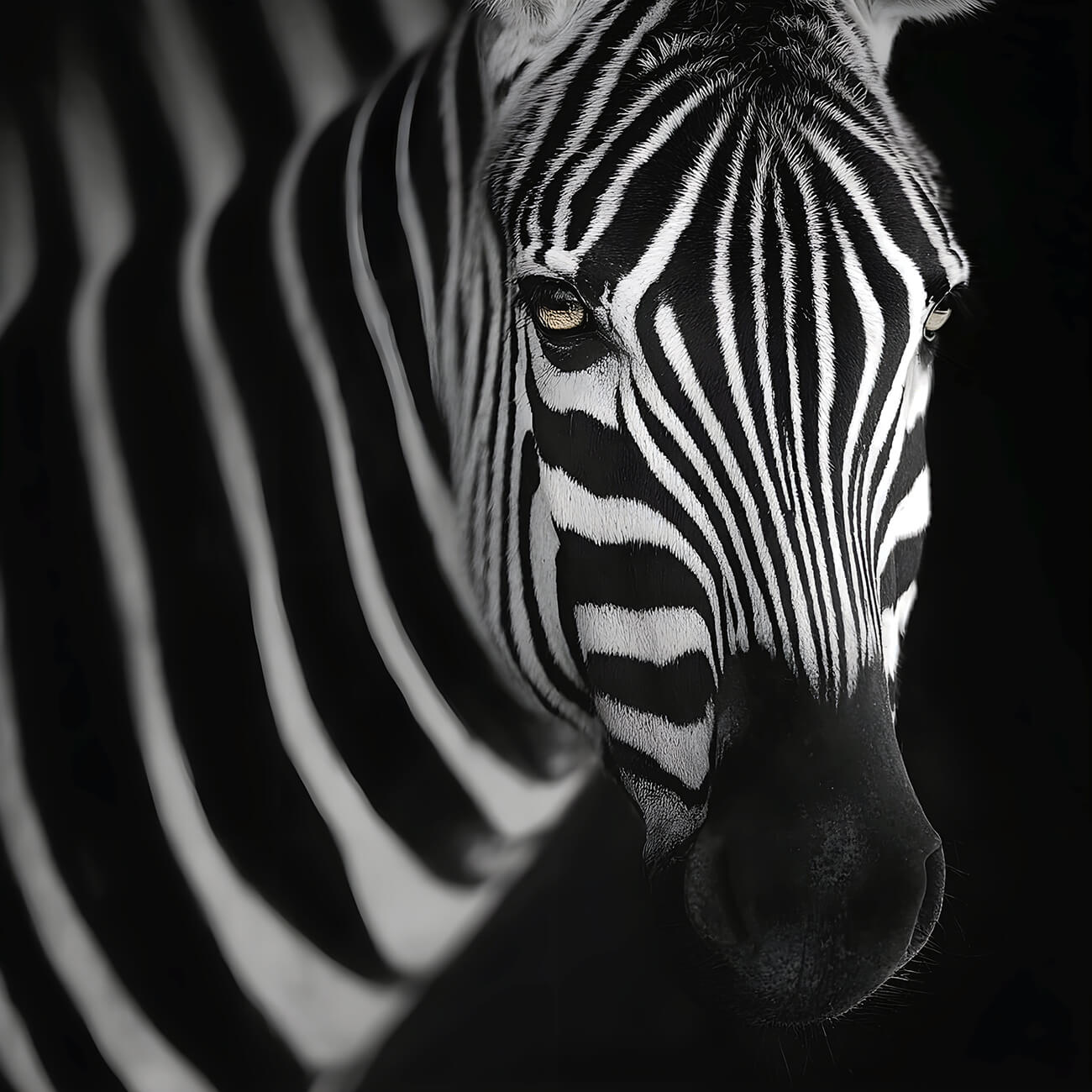
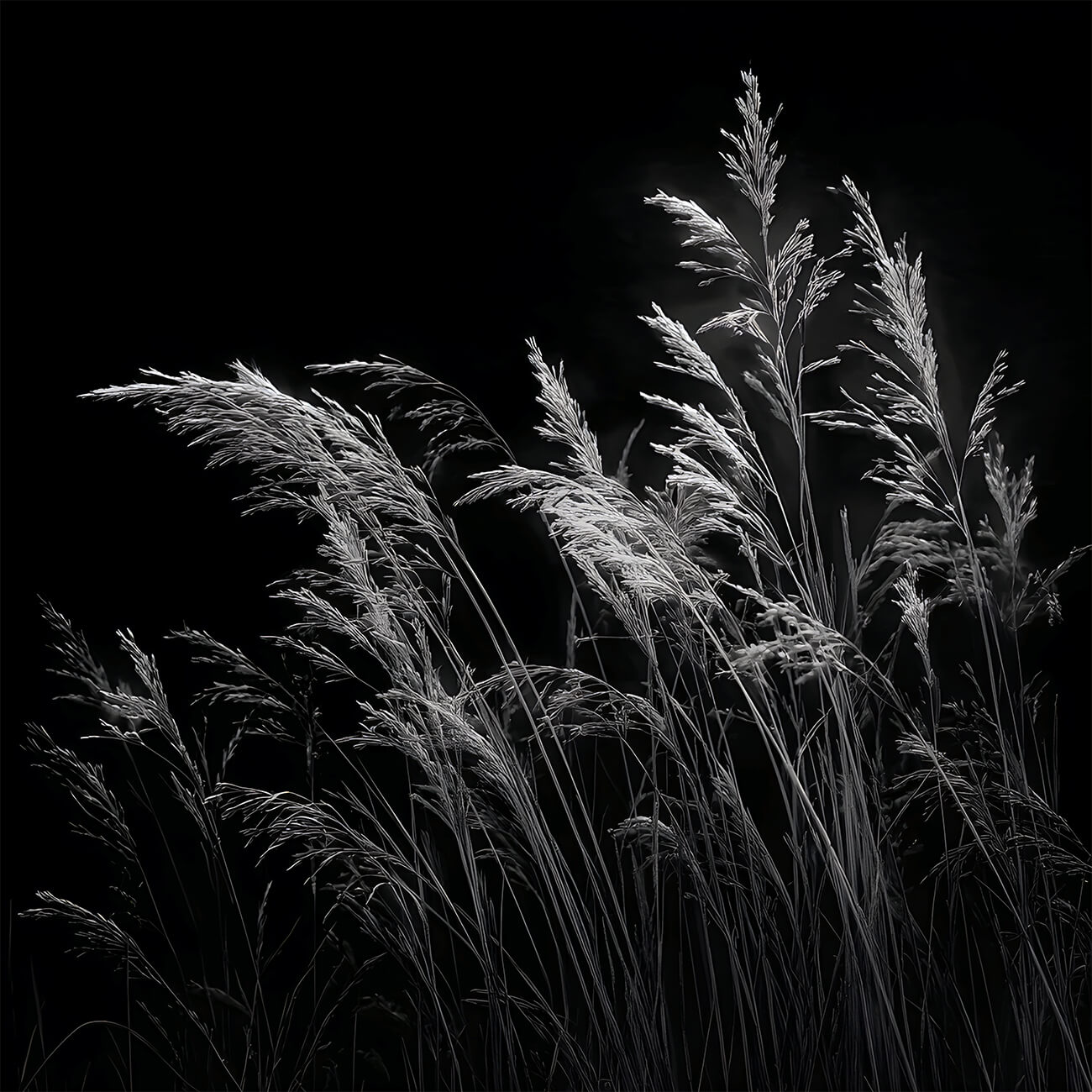
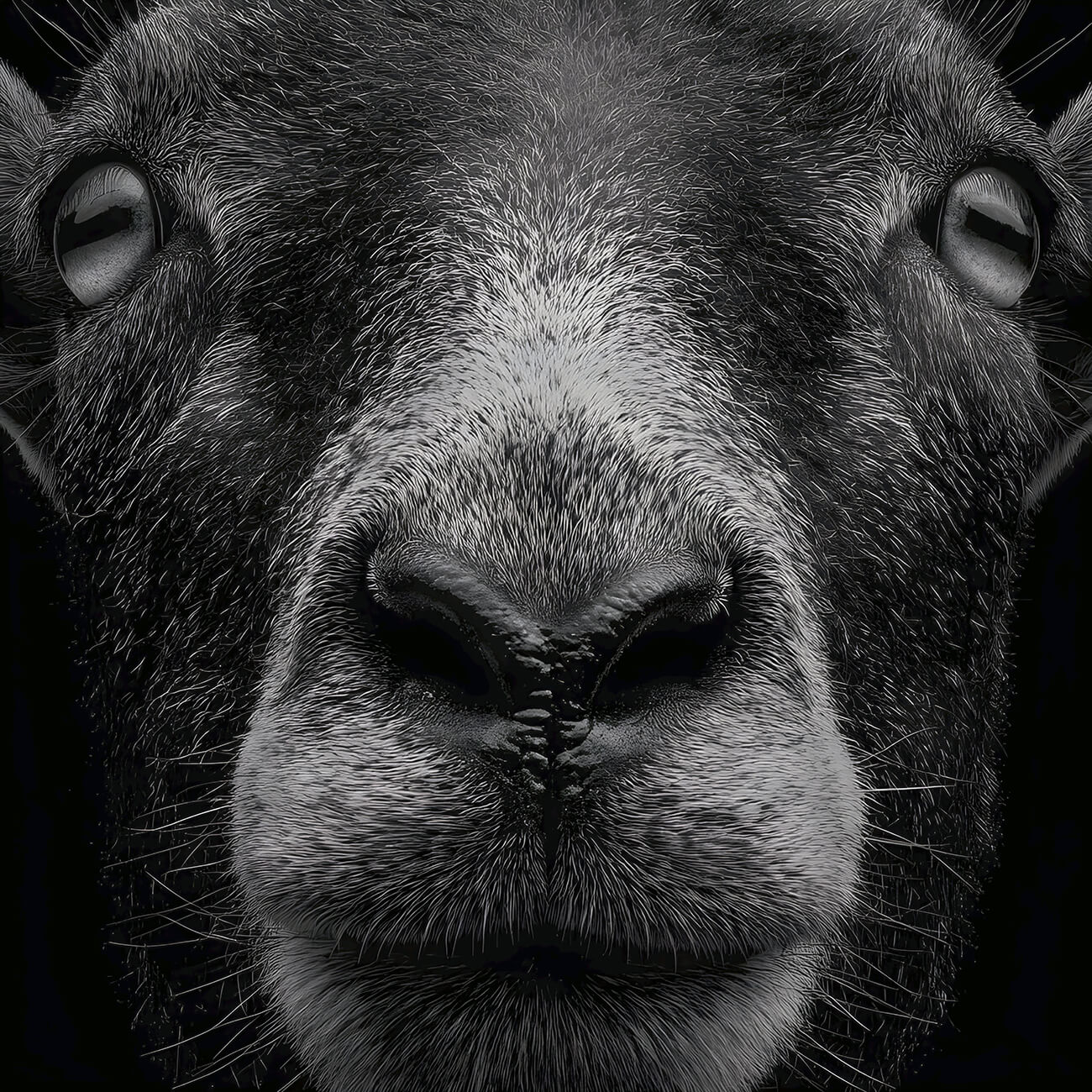
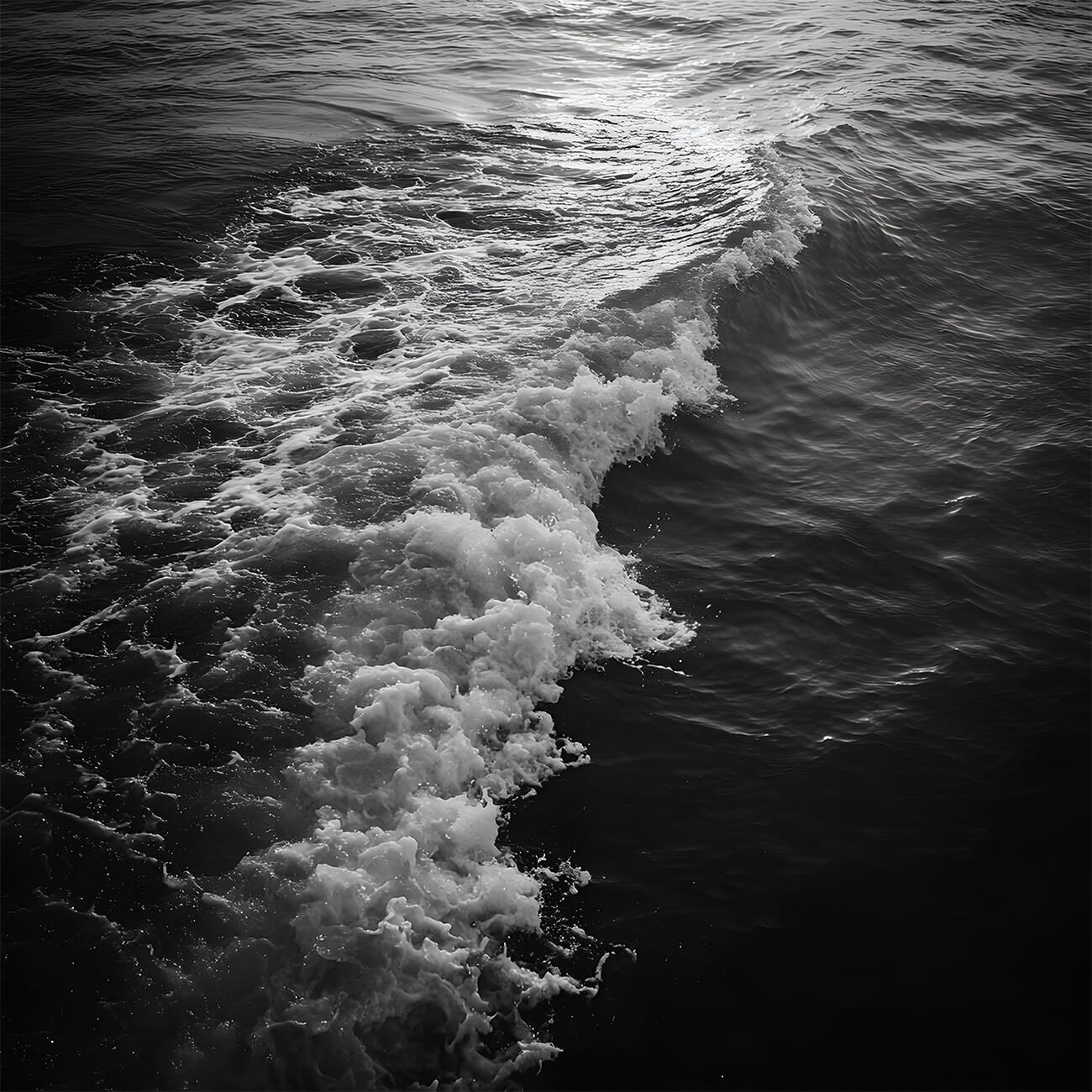
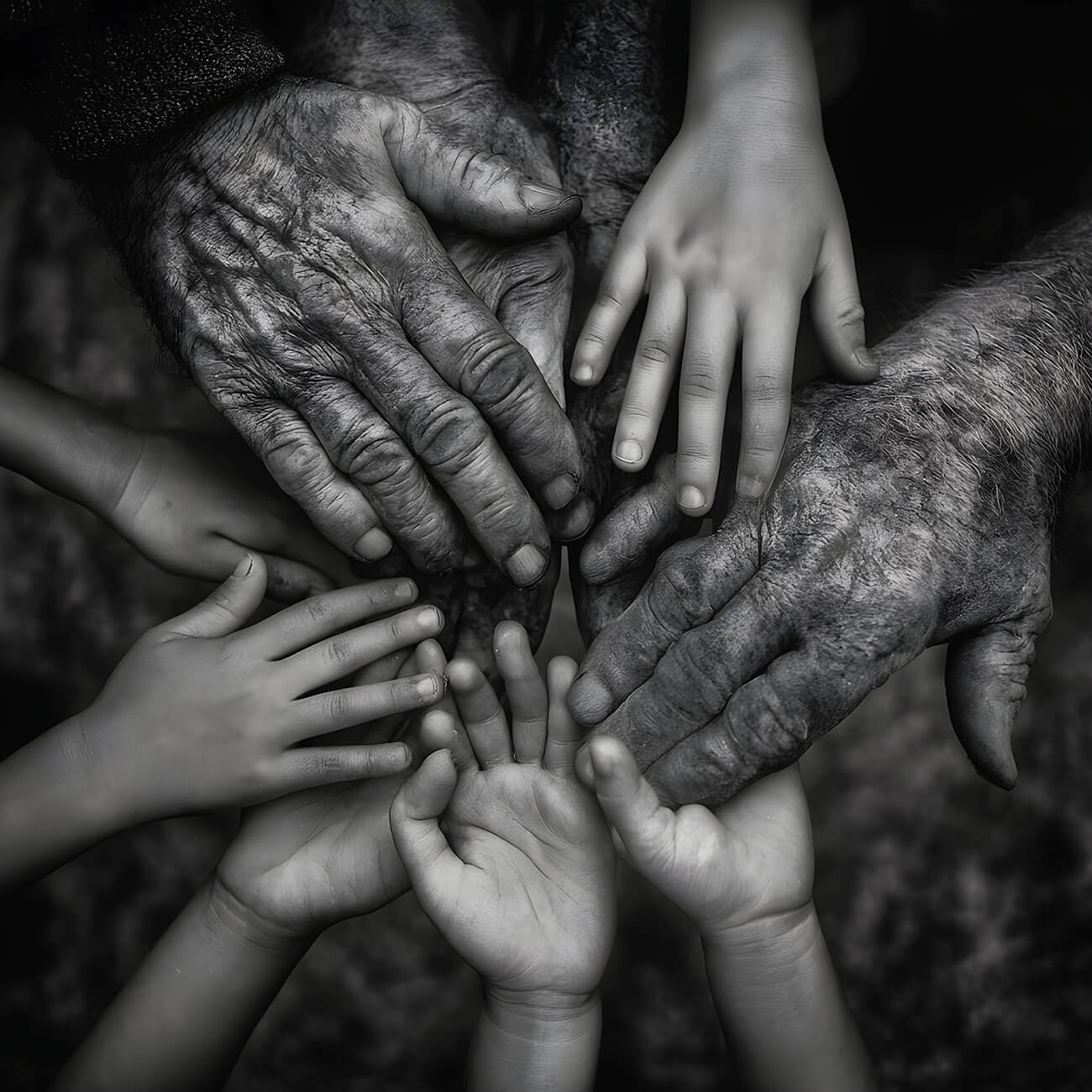
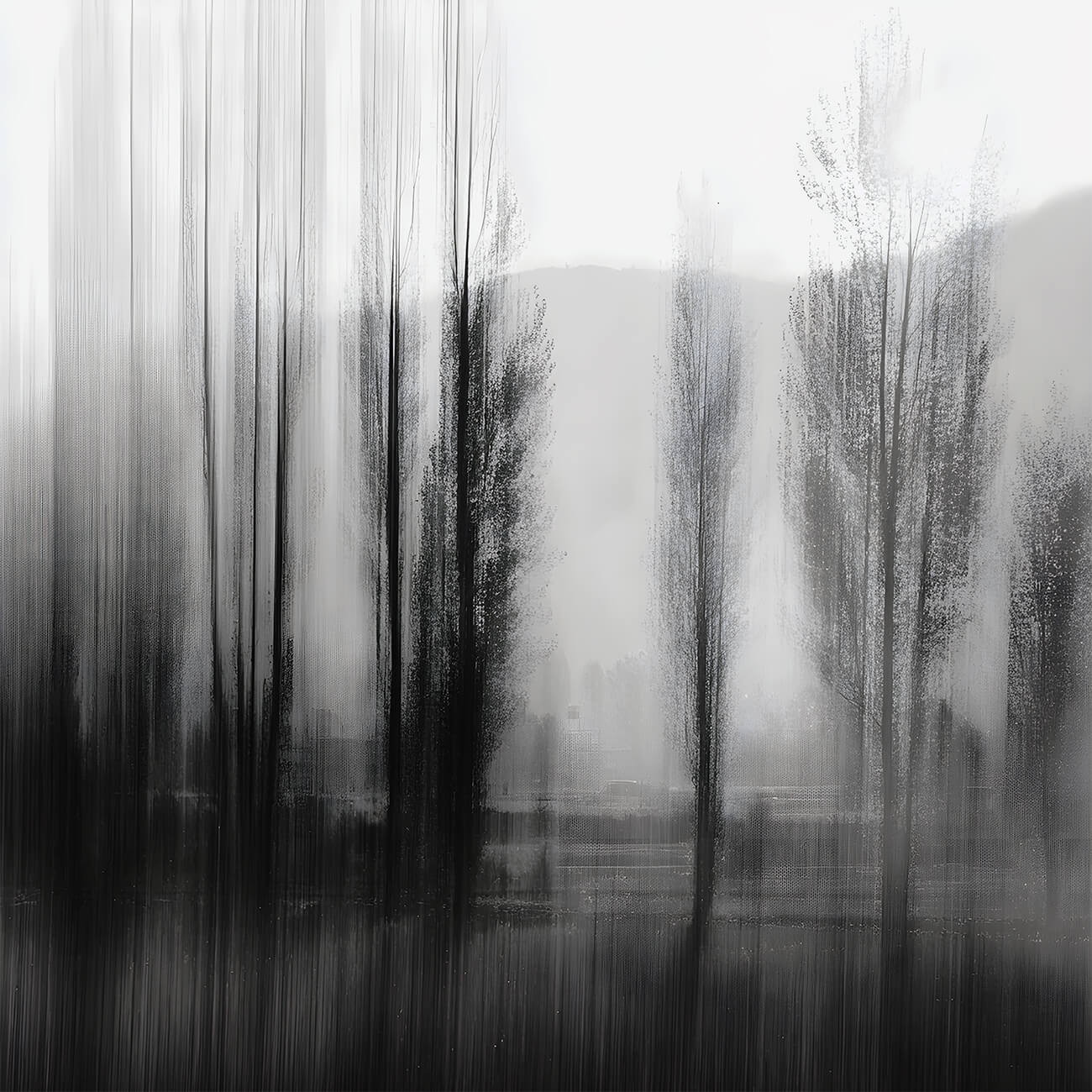
Your work is eclectic – some work with animals such as this winning image, but also human portraits, landscape, still life, and a lot in between. What draws you to a particular subject?
What draws me to a subject is not necessarily the category, but the feeling it evokes. I am attracted to silence, to character, to moments where something unspoken becomes visible. Whether it is an animal, a human face, or a landscape, I look for authenticity and emotional depth. If a subject makes me pause and feel something internally, I know it has potential. Technique and concept follow emotion, not the other way around.
On your website you state “if my work makes you stop, even for a second, then I have done what I was meant to do”, and your work certainly rewards careful, unhurried viewing. Having been a photographer for over 25 years, and with the advent of social media and “image overload” in that timeframe, has your approach had to change?
I believe social media plays an important role today. Besides exhibitions and art fairs where my work is physically presented, social media has become a permanent part of the creative process.
It also functions as an essential form of marketing in today’s artistic landscape.
Perhaps you could share and describe to us a couple of your favorite shots?
In the end, what makes a photograph truly special to me is not only its visual strength, but the memory of the moment it was created, the intuition, the stillness, and the feeling that, for a brief second, everything was exactly as it needed to be.
What’s a subject you’d love to turn your lens to?
There are still many subjects I would love to photograph, but what truly attracts me is not fame or status, it is depth. I would love to portray someone whose life story is written in their eyes, someone who carries both strength and vulnerability in a single glance. Whether that person is well known or completely anonymous does not matter to me. What matters is the authenticity of the moment and the possibility to create an image that feels timeless, an image that reveals something real and unguarded.
What’s the best piece of advice you’d pass on to your younger self if you could?
Believe in yourself and trust your own vision, even when others do not immediately understand it. I would tell my younger self not to rush the process and not to measure success by external recognition alone. Growth takes time, and artistic identity develops through patience, doubt, and perseverance.
Most importantly, I would say: stay authentic. The moment you create from a place of honesty rather than expectation, your work truly begins to live.