INTERVIEW
From the Outside In
WITH MARIO SCHNEIDER
AN INTERVIEW WITH MARIO SCHNEIDER
“It was an attitude to life that seemed infinitely far away to me, and yet it was close to me. When I landed in New York thirty years later, I felt like I was coming home. Ten years later, I started taking photographs. However, there is one matter I must clarify: I didn’t photograph New York, I photographed New Yorkers.”
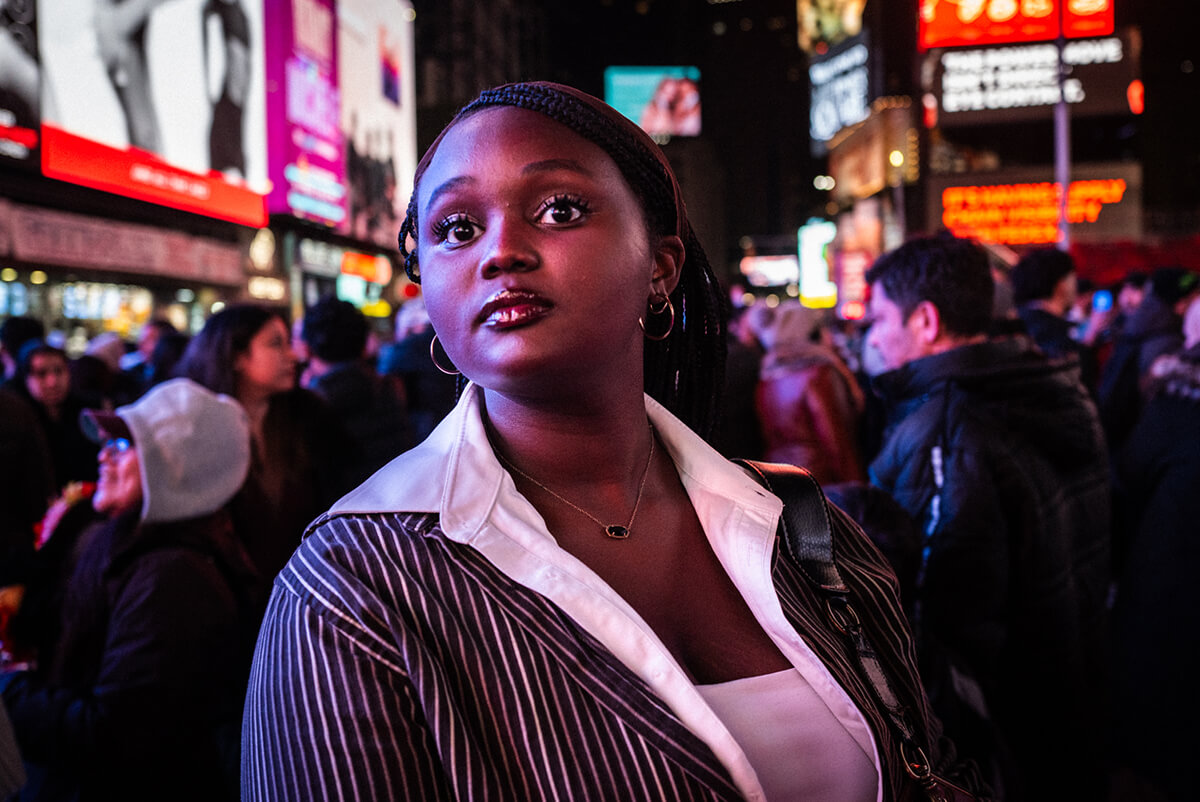
Mario Schneider won our June 2026 Street Life competition, with a beautiful street portrait that judge Shana Lopes of SFMoMA praised for being both cinematic and intimate. It was taken in New York, a place Mario has called home since moving from East Germany, and a place that continues to fascinate him – where the streets are alive with all walks of life. It’s this perspective of an outsider looking in, or rather an outsider becoming an insider, that fuels much of his creative work, and it was something we were keen to ask him about, as well as where his inspiration comes from, how he balances photographic and videographic work, and what he’s currently working on. Read on to find out what he had to say…
MARIO’S WINNING IMAGE FOR STREET LIFE
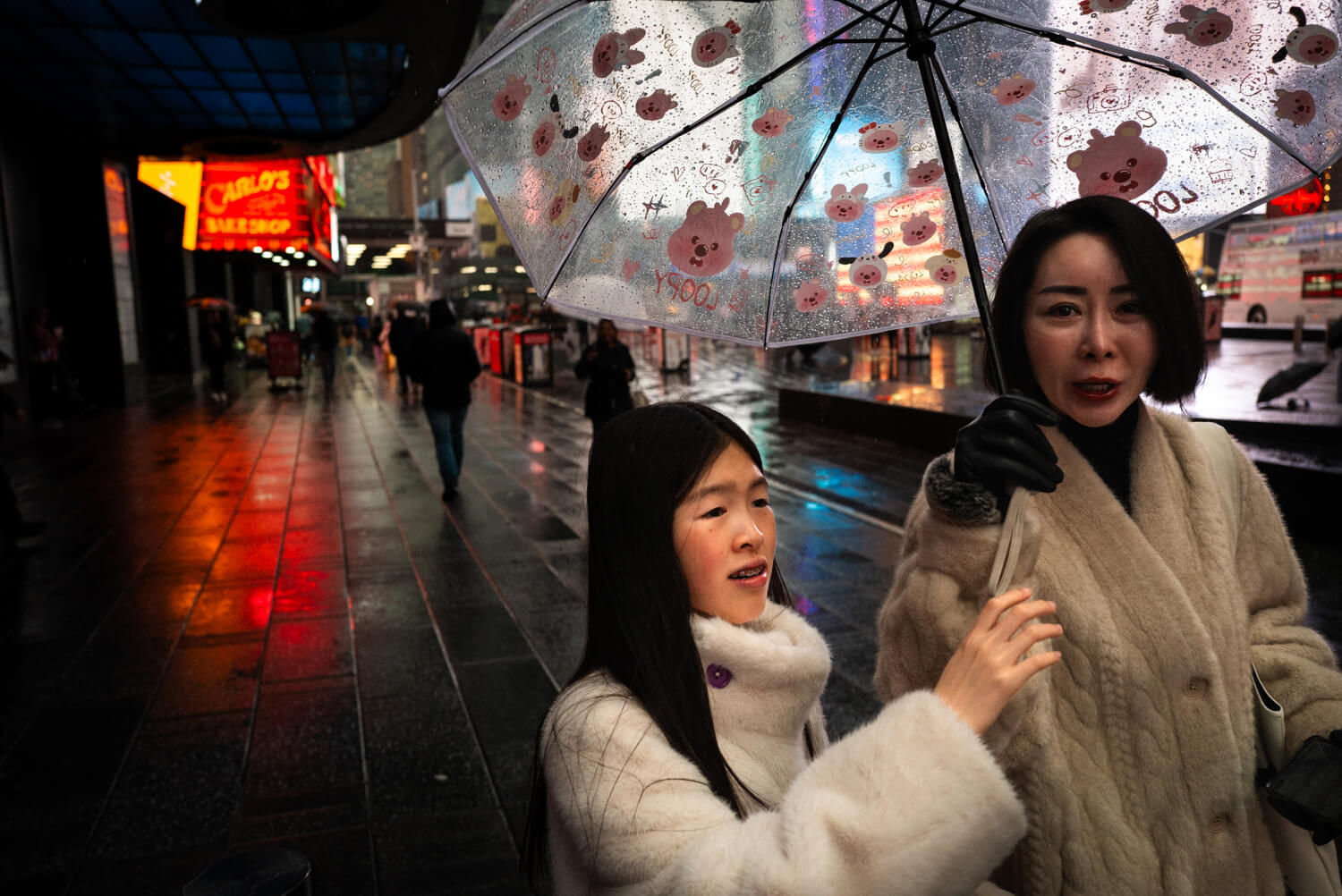
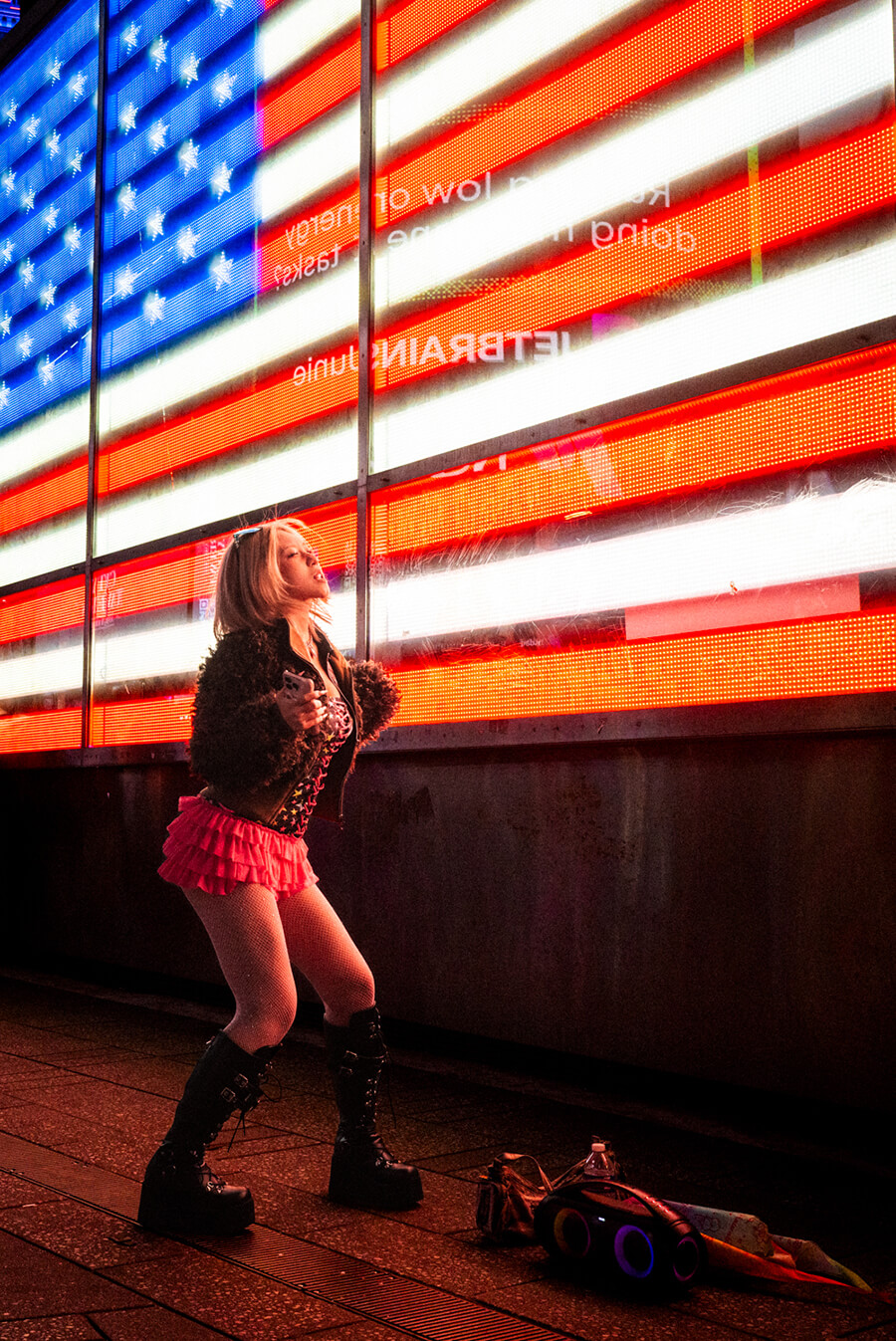
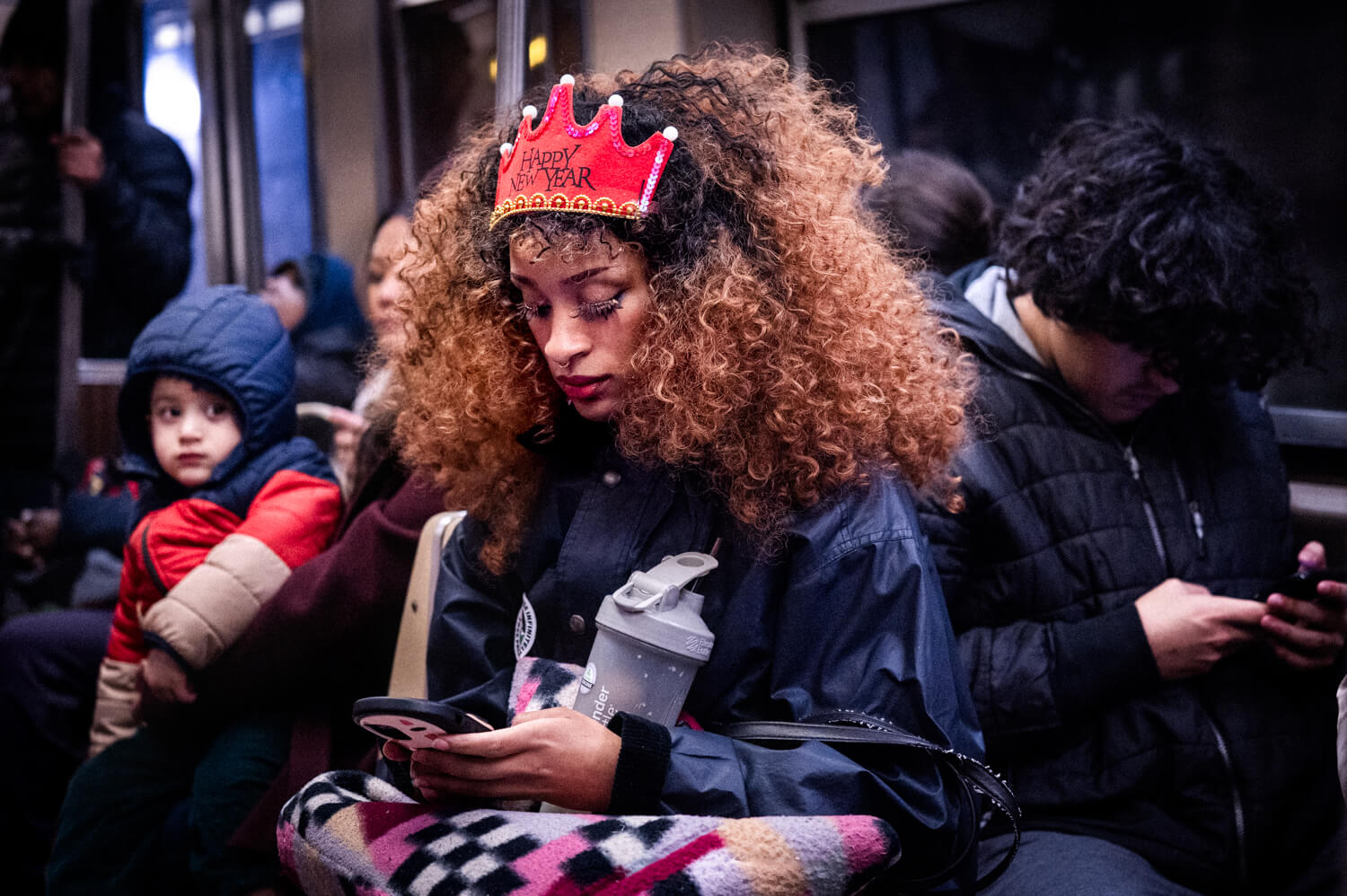
Mario, congratulations on winning our recent Street Life competition! Can you tell us a little more about your winning image “Chanel” – who she is, how the image came about, and how you went about making it? Is it a standalone image, or from a broader series of work?
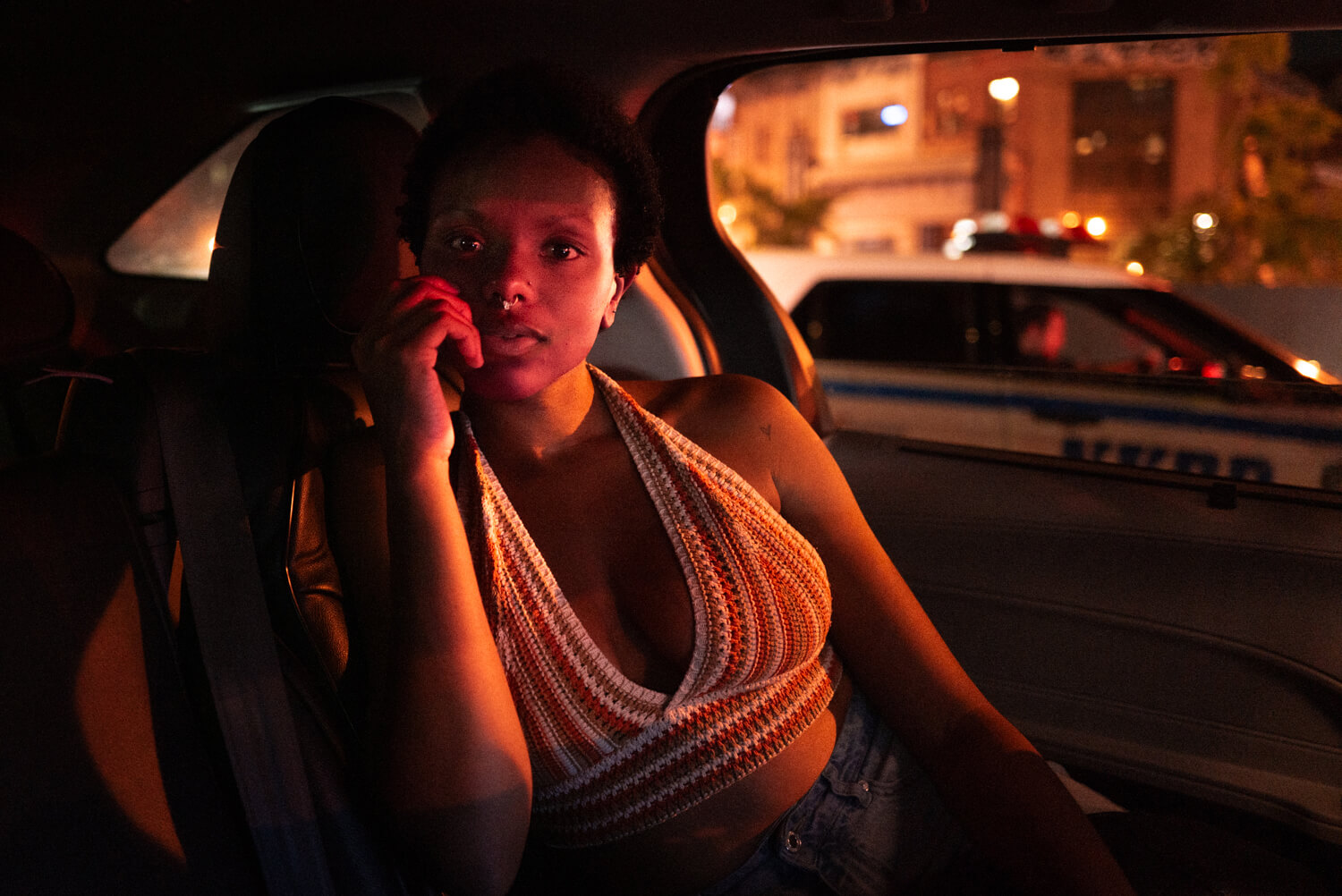
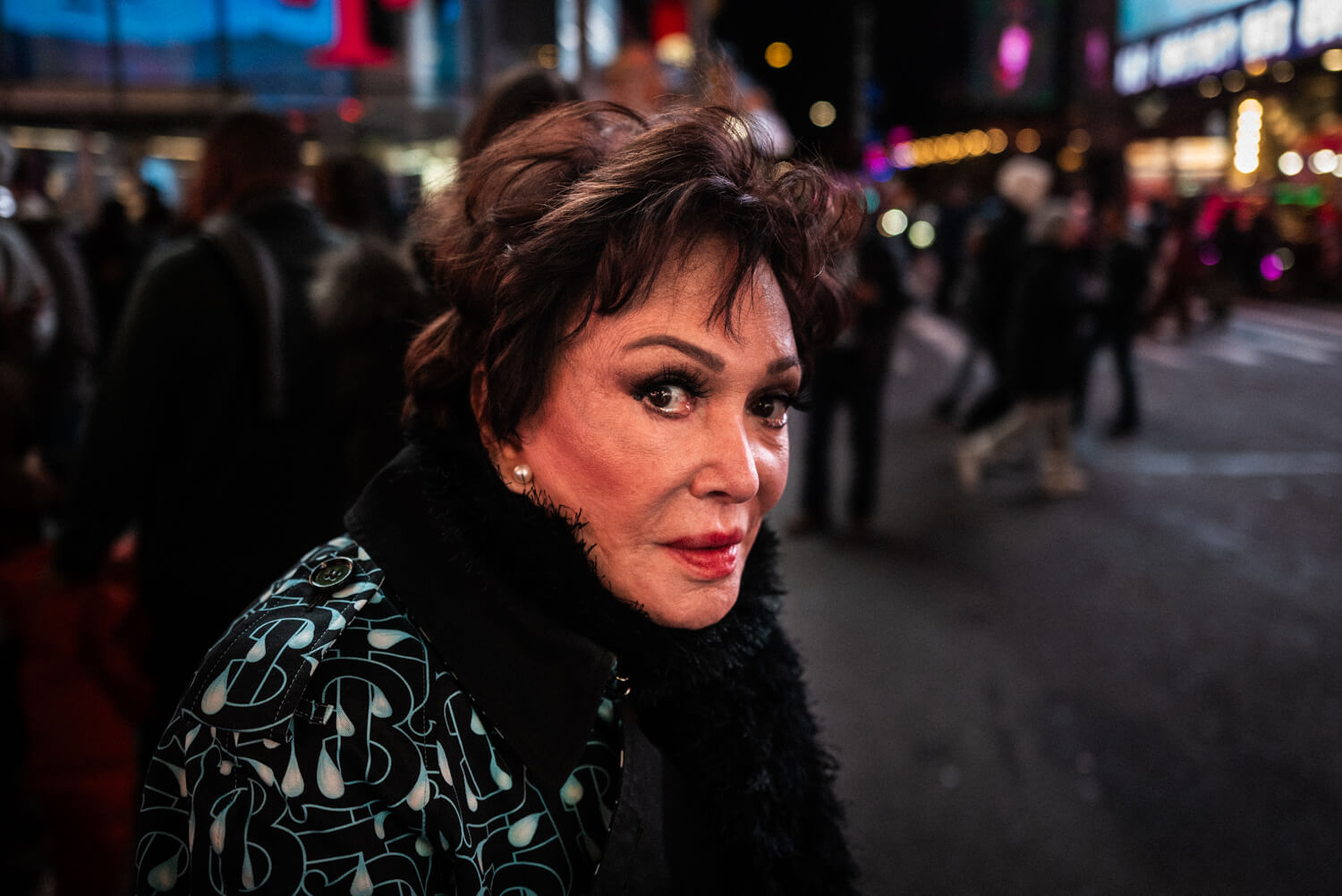
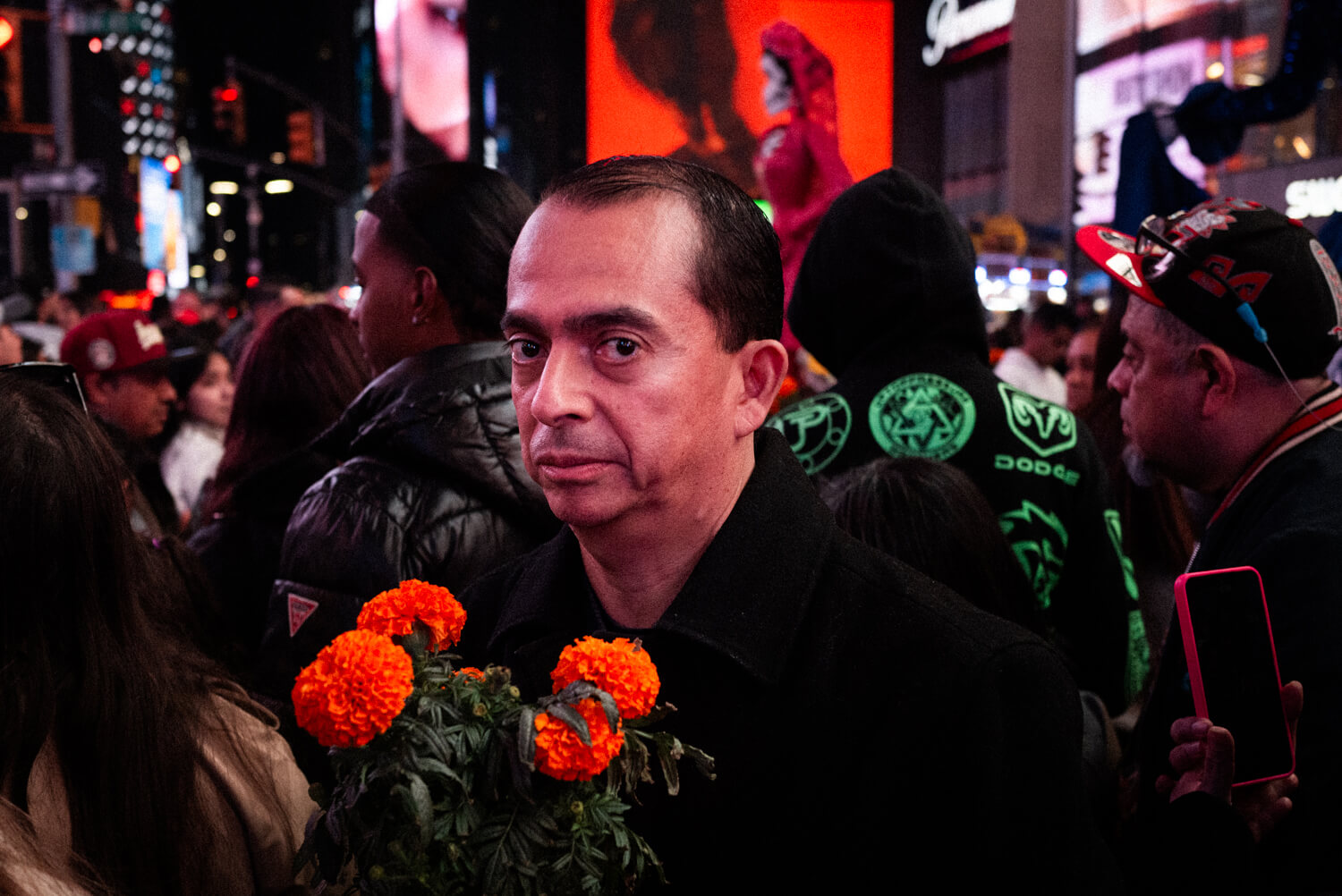
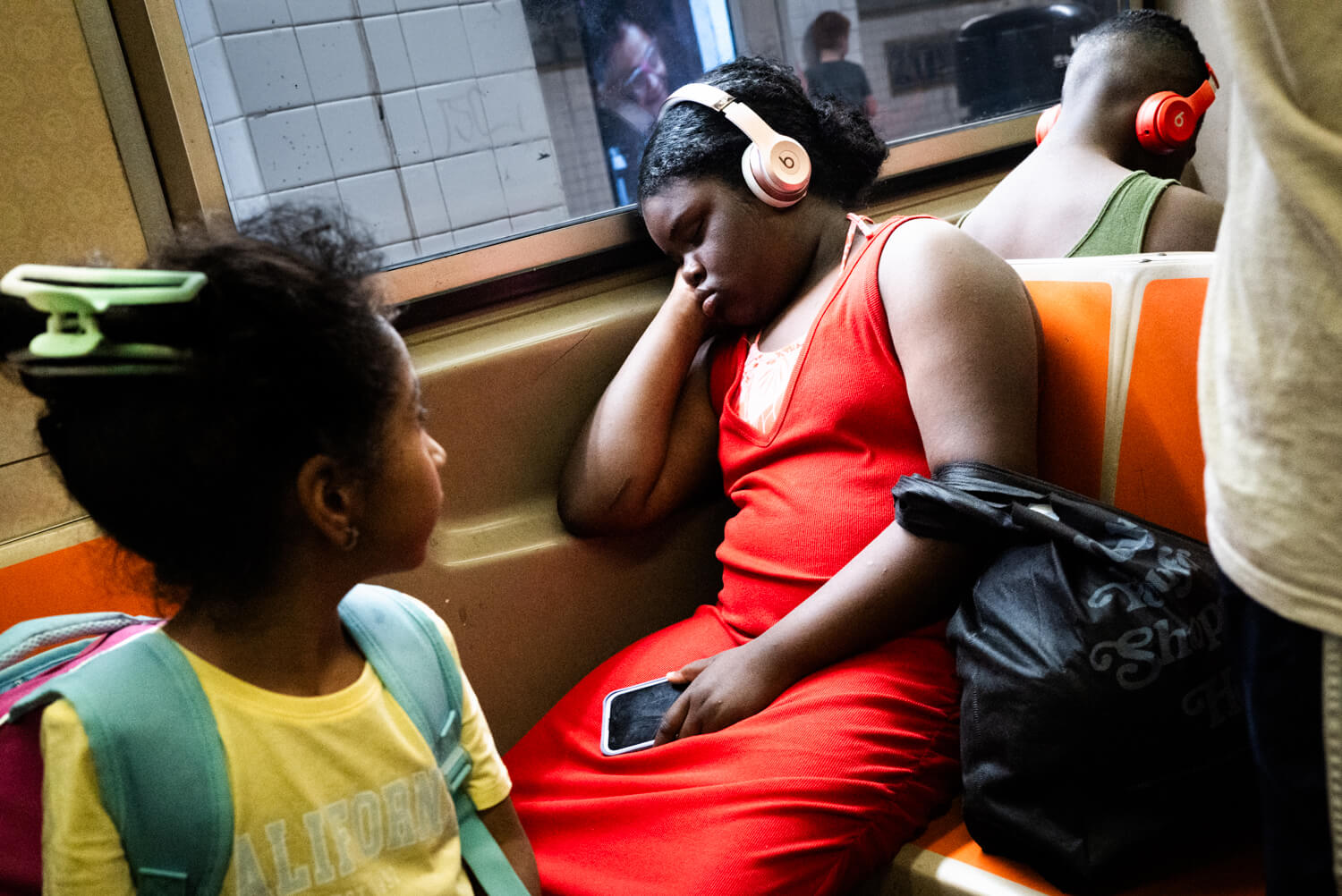
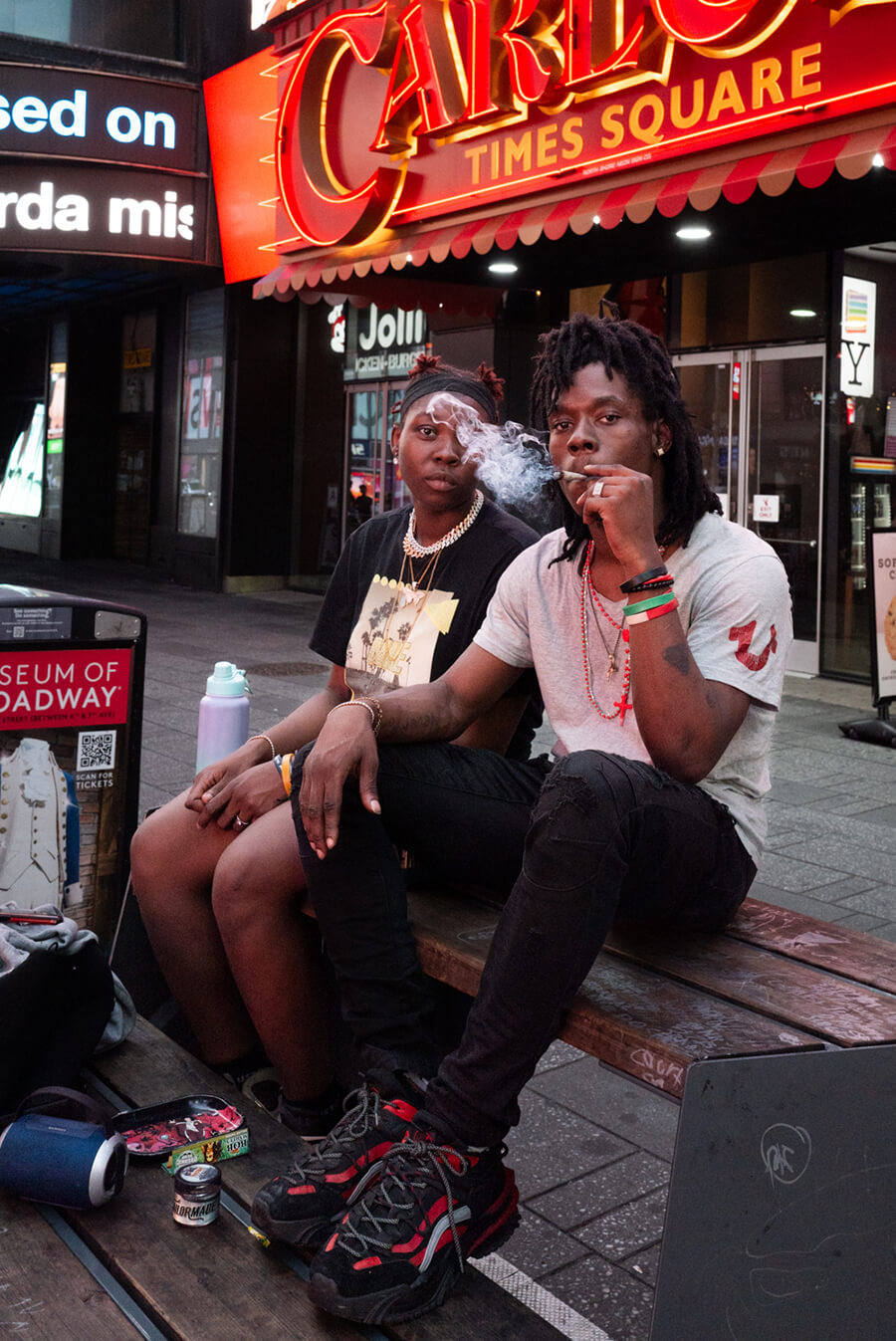
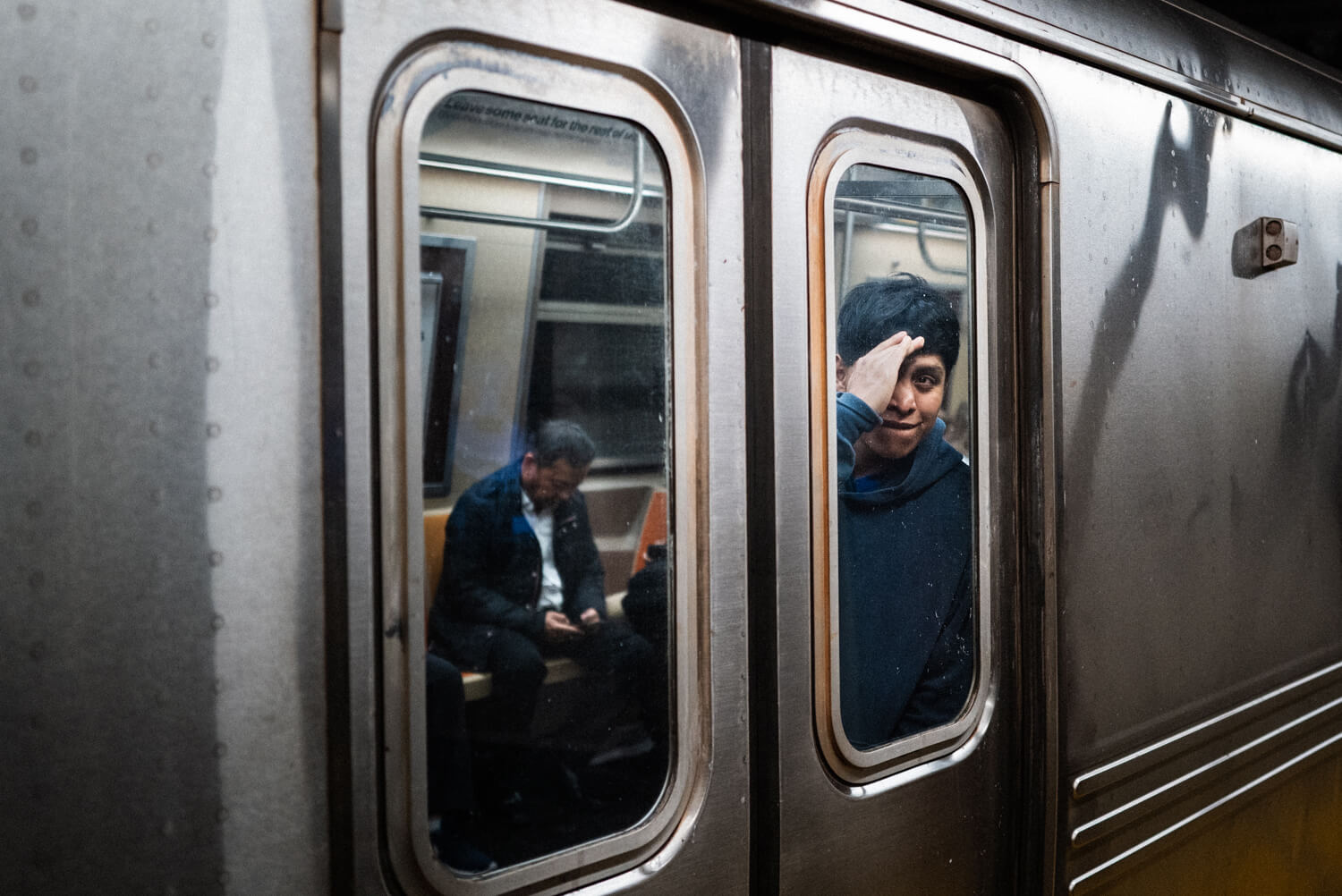
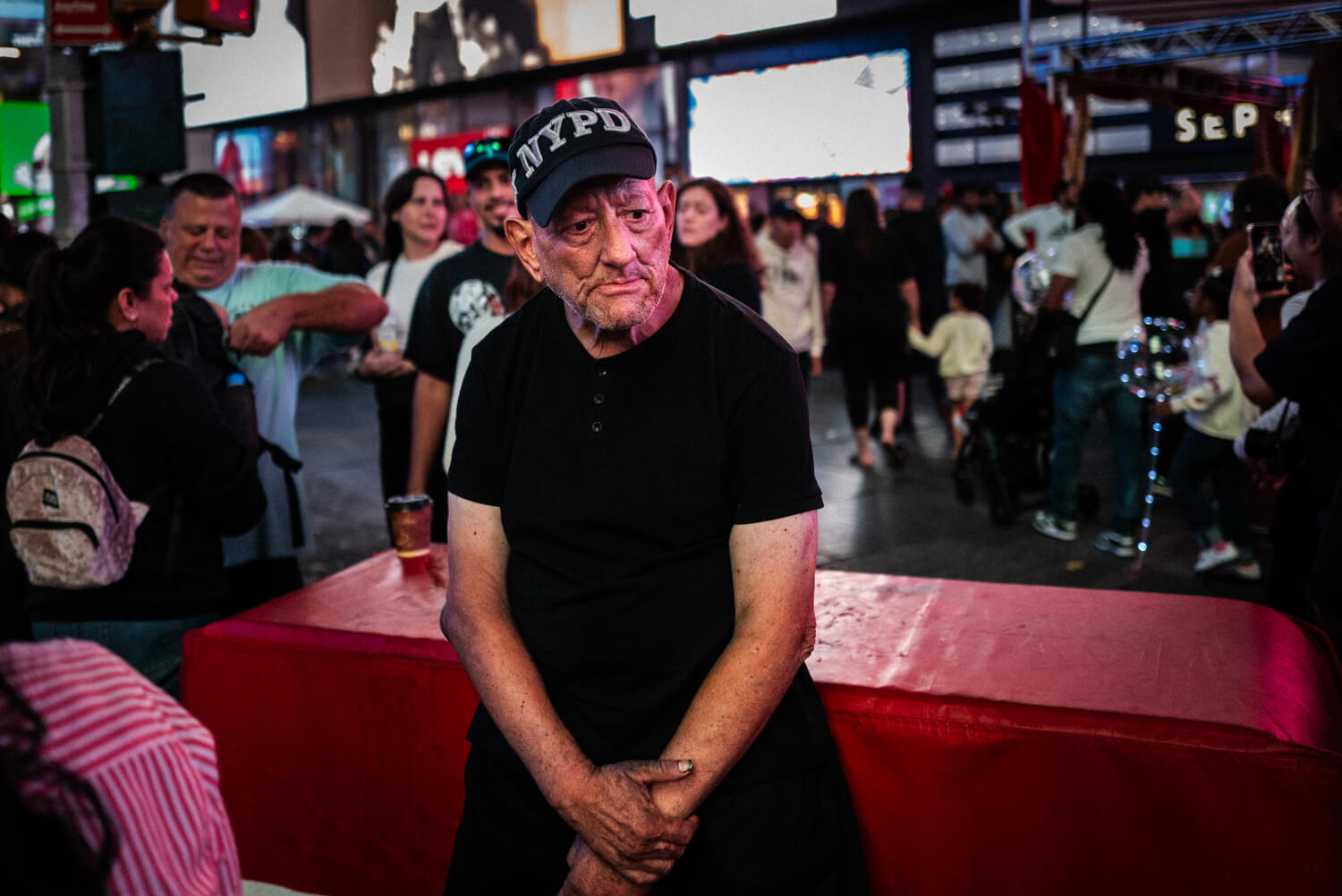
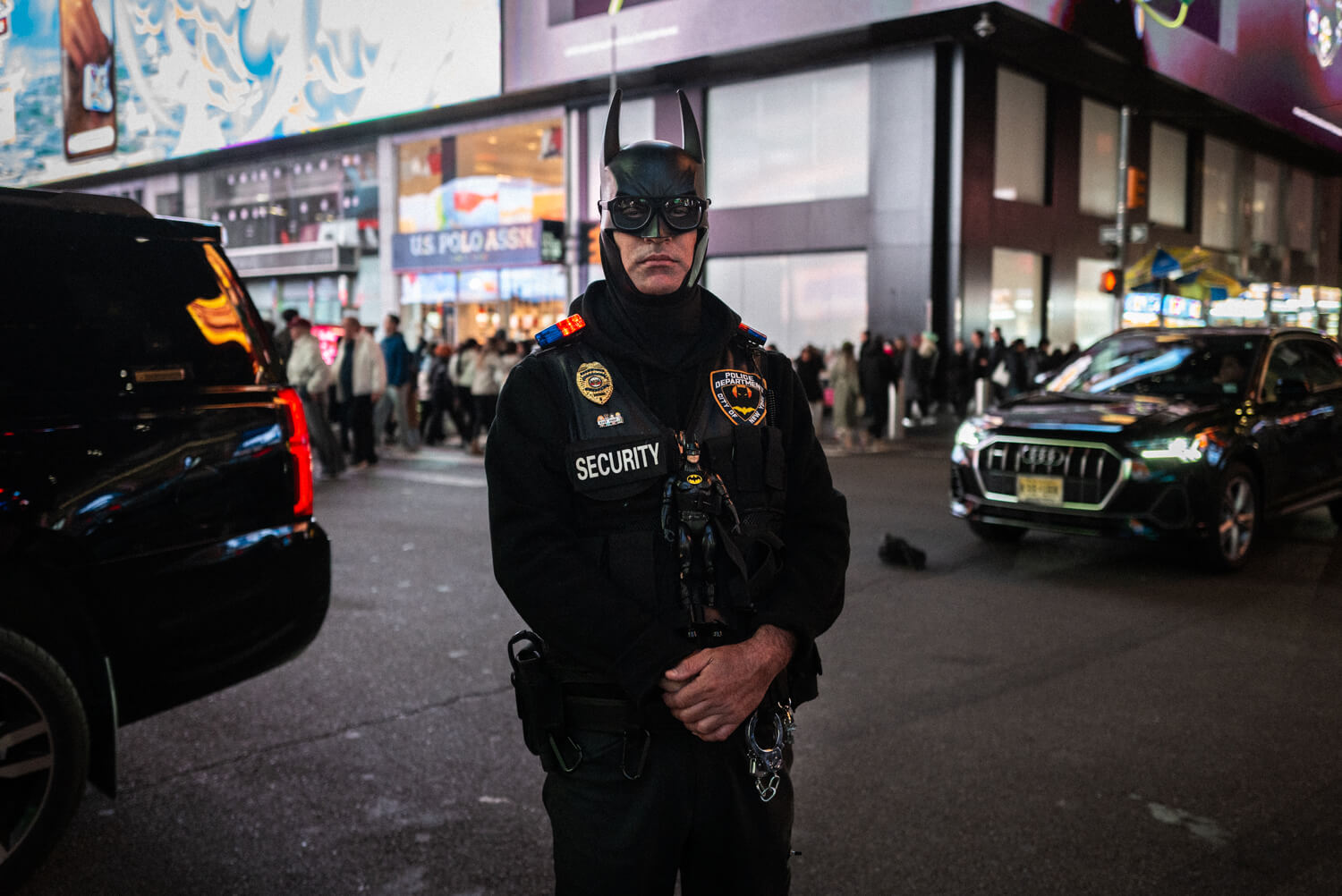
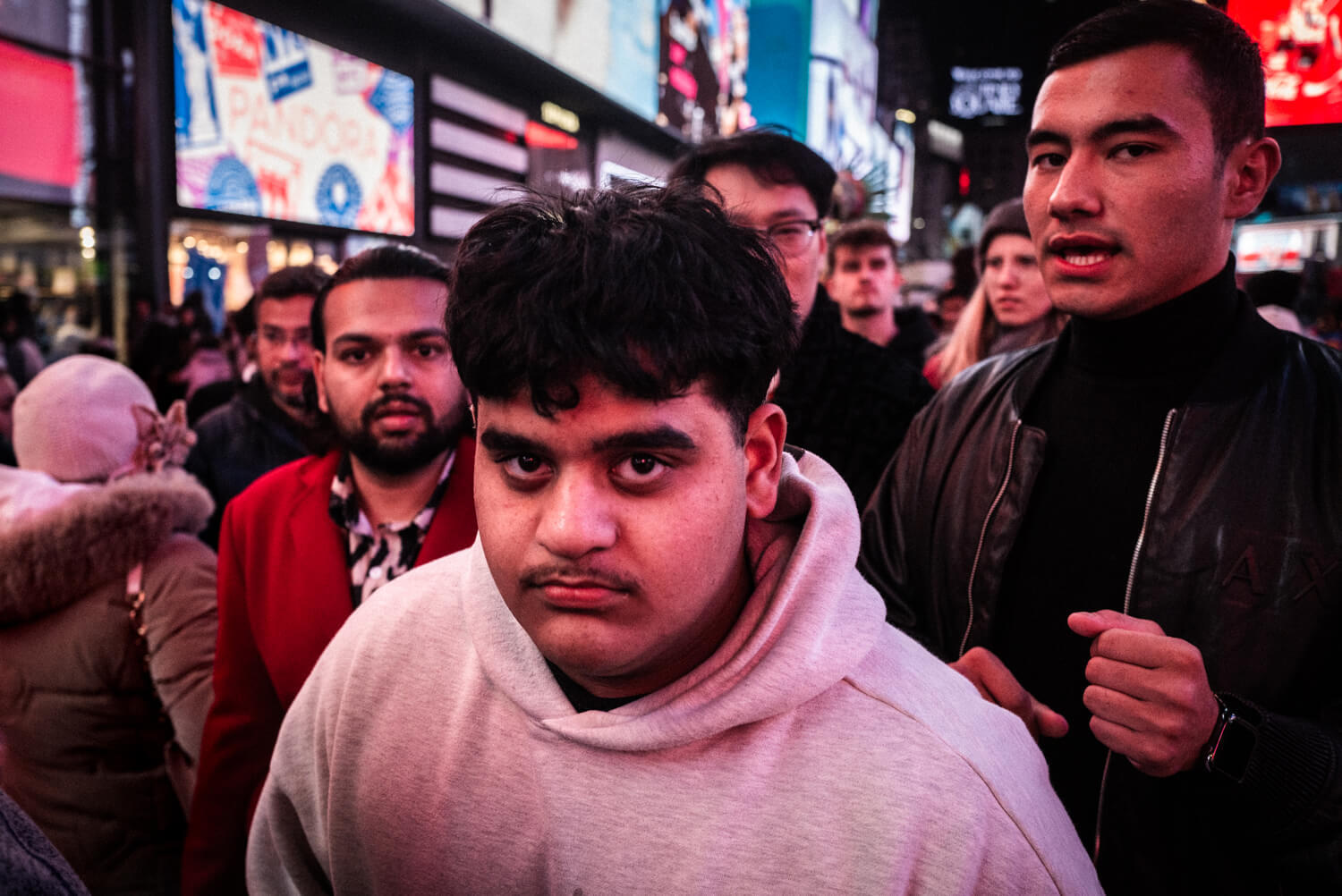
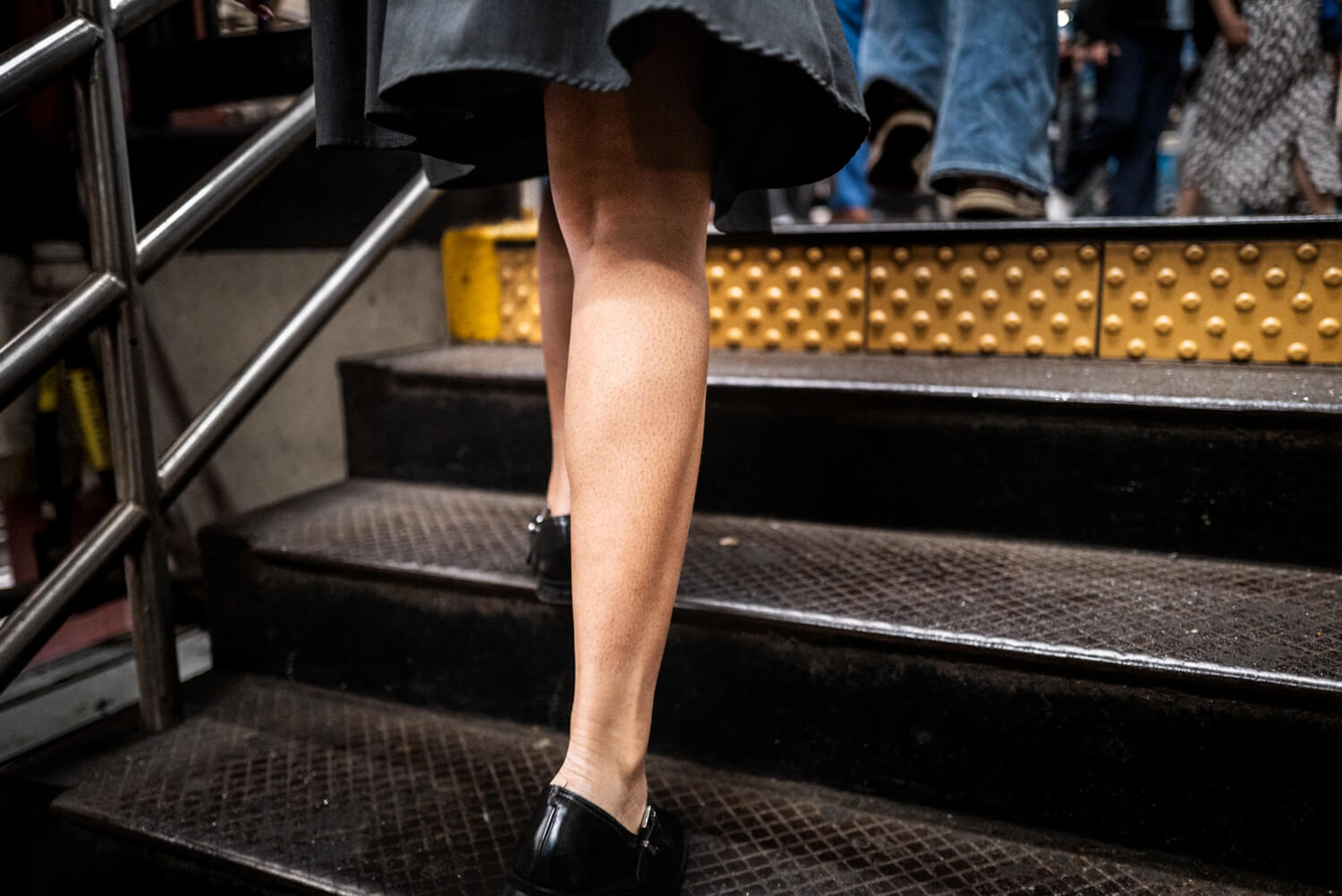
“Chanel” is a single image and it’s part of a series. Chanel is a wonderful photographer and friend. We were out and about in New York at night together. It was one of those magical nights that just flow. We wandered through the brightly lit city, and I took photos. I’m working on a street photography series about New York’s nightlife. That night, I took a few photos, and “Chanel” was one of them. The boy on the subway looking out the window was one of them, as was the lonely man in Times Square.
You seem to be somewhat of a polymath – a photographer, author, director and film composer, with a background in, of all thing, metallurgy! What role does photography play in this landscape of interests?
European cinema and classic literature has had a major influence on me. Fellini, Bergmann, Tarkovski, Varda, Malle or Kieślowski have shaped my photographic view of the world. People and humanity are at the heart of my work. I try to tell stories in my photographs, and these are mostly character-driven, like in my favorite movies.
When I work on my documentaries, I spend a lot of time with my protagonists. From research and filming to editing and completing the film, I spend between two and three years with my protagonists. Often, the team and I become part of the family, because it is important to me that people forget about the camera and that the team becomes invisible. It is a very lengthy process.
When I go out on the street as a photographer, I become a ghost as soon as I leave the house. Strictly speaking, I remain a documentary filmmaker even when I’m out on the streets. Being able to tell a story in a thousandth of a second is very exciting and challenging in a different way.
How does your photography feed into your film-making and vice versa? When do you decide to pick up the video camera or the stills camera?
I decide right at the start whether a project will be realized through film or photography. I often document my documentary film projects through photography as well. But my photography projects are—and always will be—focused on capturing moments.
And as someone with such a diverse range of interests, I imagine inspiration for your photography comes from many places. What ideas are exciting you right now?
Right now, I’m in the middle of working on my new documentary, “Black Day Is a Good Day,” a film about people with glass eyes. The focus is particularly on the life-altering events that led them to this situation. There are some very emotional and profound stories there. Photographically, I’m currently focusing on portraits. I’m just experimenting with that right now.
MARIO’S FAVORITE SHOT
I’m drawn to your photography book New York Short Stories, which you describe as being “an East German view of the city”. Can you elaborate on this?
Curiosity mixed with a touch of nostalgia and the joy of immersing myself in a city. I grew up under socialist conditions in the GDR (German Democratic Republic). As a child, I was allowed to watch TV for one hour a day, and our antenna was pointed toward the West. When I came home from school, I sat down next to my grandfather in the smoky living room. It was the television of the imperialist enemy—and I loved it.
I especially loved the American films and series, Columbo, The Streets of San Francisco, Matlock, Hart to Hart, and Magnum. I loved the skyscrapers in the cities, the golden elevators, and revolving doors. I loved the actors who walked from the kitchen to the living room with the spiral cords of the telephones hanging behind them, in conversation with Jack or Kate. I loved the Cadillacs and Chryslers parked in front of the skyscrapers.
It was an attitude to life that seemed infinitely far away to me, and yet it was close to me. When I landed in New York thirty years later, I felt like I was coming home. Ten years later, I started taking photographs. However, there is one matter I must clarify: I didn’t photograph New York, I photographed New Yorkers.
It seems to be illustrative of a broad connecting thread in your work – of being a tourist, an outsider, looking in from the fringes. Is that fair? And is that something you think about?
Yes, that’s how it seems when you look at my photographs or watch my documentaries. People often praise my films for the fact that my team and I, as filmmakers, don’t seem to be present. But achieving that actually requires even more presence, lots of conversations, and a lot of time spent in preparation—so, in fact, exactly the opposite. We often become part of the family and are no longer perceived as outsiders. I think the same applies to my photographs. For a short time, I have a very intense and sincere connection with the people on the street. So I’m actually anything but a tourist, since I’m genuinely interested in these people and expect more from them than just a superficial impression. I always want to get to the heart of who they are.
Aside from your winning image, do you have a favorite you could tell us a little more about?
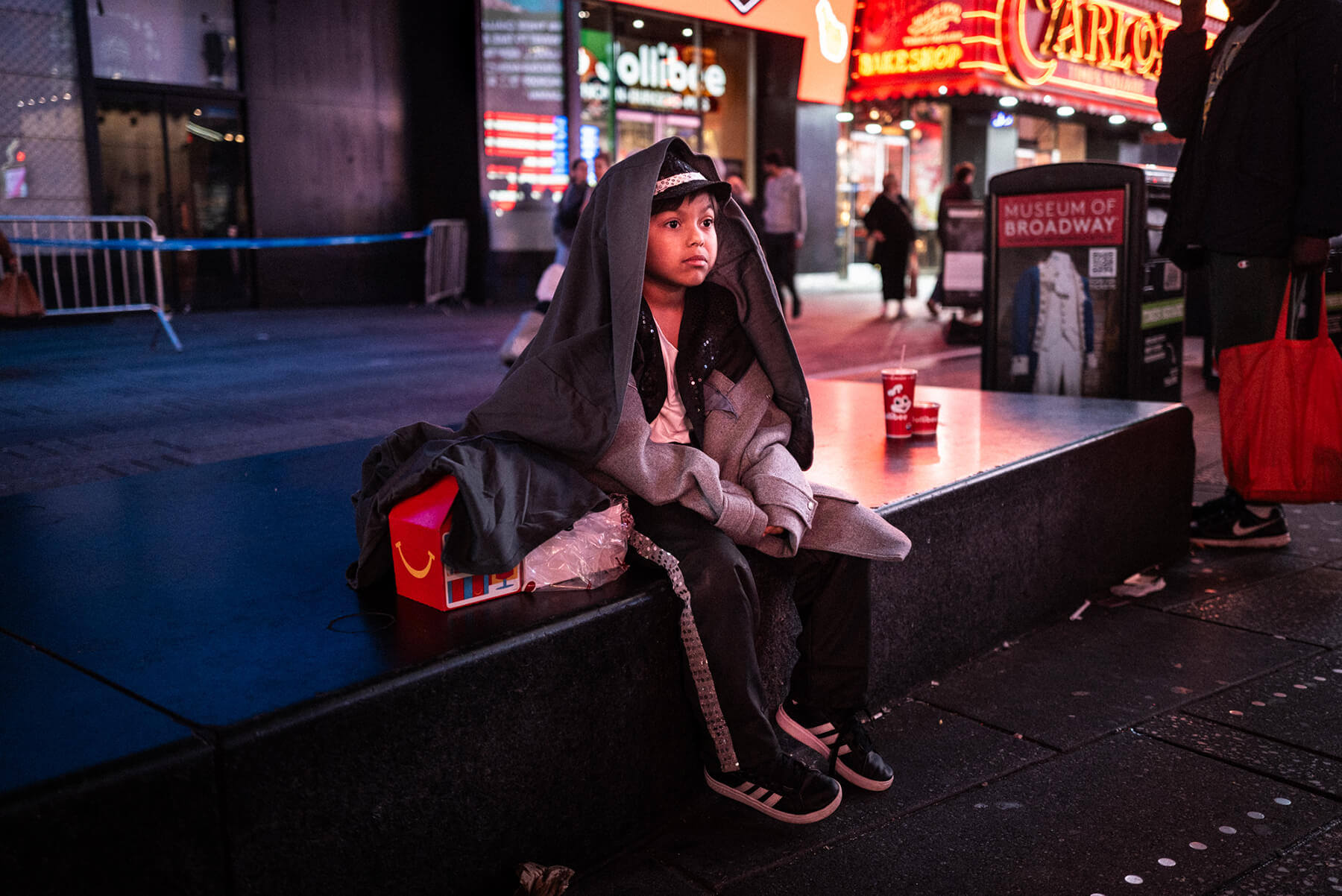
The little boy I photographed at Times Square one night. He was sitting there under a blanket, eating a hamburger. It was 11 p.m. No parents, no friends around. I already knew him. He makes his money there as a Michael Jackson impersonator. It was the saddest moonwalk I’ve ever seen.
What’s the best piece of advice you’d pass on to your younger self if you could?
Take pictures of your time in the GDR. I missed out on that. I wasn’t involved enough. Other things were more important. But I saw so much. I regret that.
And finally, what can we expect from you next?
I think my new documentary is going to be good. We’re already in the editing phase. It’s probably going to be my most extreme and strangest film yet.
All images © Mario Schneider
Follow him on Instagram: @marioschneiderkunst and see more on his website: www.marioschneider.org