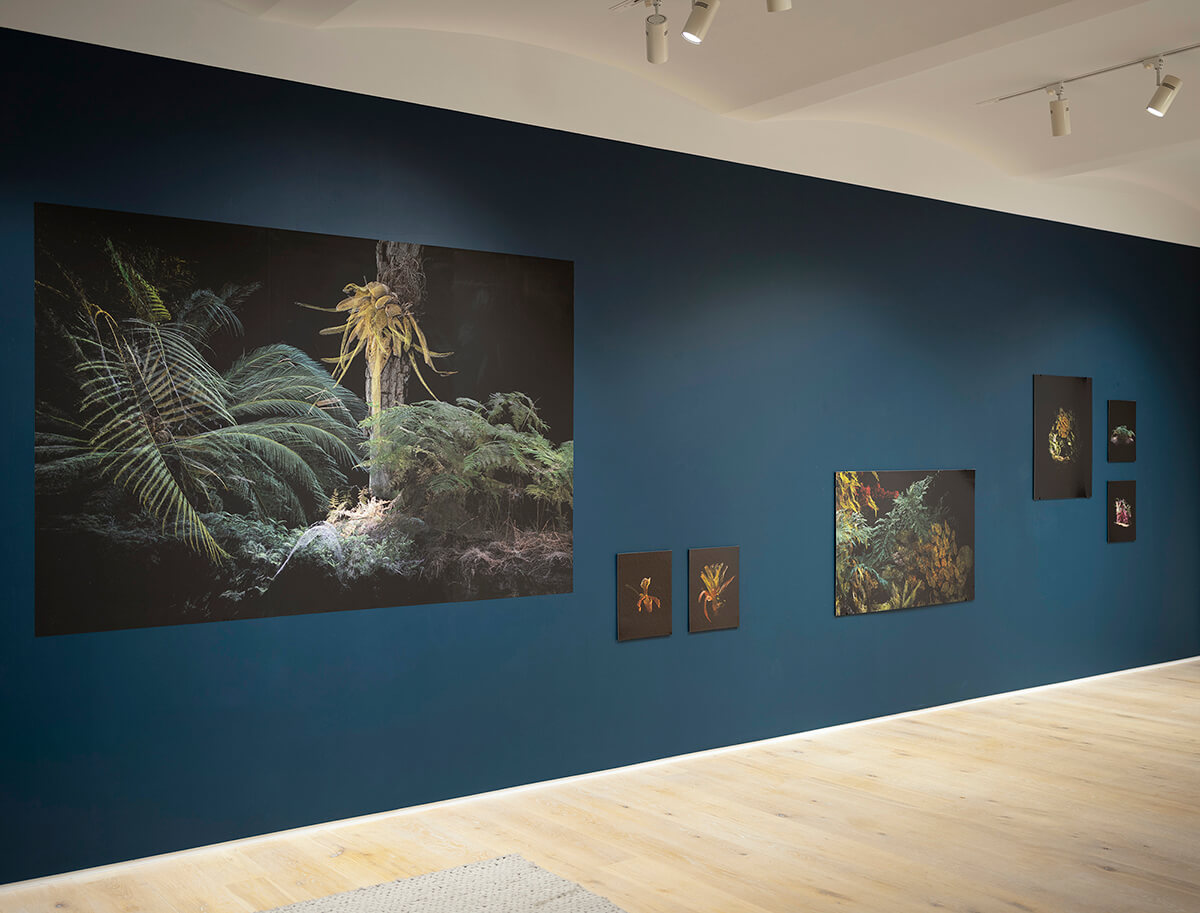
INTERVIEW
Truth in Exposition
WITH LISA WOODWARD AND MIA DALGLISH
AN INTERVIEW WITH LISA WOODWARD AND MIA DALGLISH
“Do photographs sometimes lie? Sure. But they can also bear truth from the real and physical world. This is one reason we persist in exhibiting prints on the wall, to offer a slow encounter with the image.”
Our 2025 Series Award closes for entries at the end of January 2026 (after an extended deadline), and we’re delighted to have Curators Lisa Dalglish and Mia Woodward back as judges for a third time. Lisa and Mia will be selecting a shortlist and ultimate winner, running portfolio reviews, and co-curating an exhibition of the winner’s series at Pictura Gallery, Bloomington, this summer.
In the lead up we were keen to put some questions to them, and the answers are packed full of insight. From what kind of photography stands out in a world increasingly saturated with imagery, to the advice they’d give to first-time submitters, via how they work with the artist, the underused use of humor in photography, and the relationship between image-making and truth, this is one interview well worthy of your time.
BANNER IMAGE: CRISTOBAL ASCENSIO, LAS FLORES MUEREN DOS VECES, PICTURA GALLERY 2024
It’s wonderful to have you both back judging and curating our Series Award for a third time. Why did you want to do it all over again?
We thrive on collaboration; it’s a major focus at our institution. So we love that the exhibition is the culmination of a collaborative process between us, Life Framer and the Artist. Working together helps us reach beyond our initial impulses. And something different happens when we build a show with the combined enthusiasm and resources of a team.
It’s not just about the exhibition though. We are gluttons for reviewing good work. We spend a lot of time with the submissions, so jurying this award has put a lot of new, talented people on our radar.
What sort of work are you hoping to see? And when you review submissions, what’s the first thing that tends to catch your attention?
The first thing that catches our attention when sifting through submissions is usually visual sophistication. When someone has their visual language down, they can use it to communicate complex ideas. We notice right away when an artist is at a high level in their craft, and when a project feels resolved.
MD: I’m always a real fan of something that takes a more subtle approach. I like projects that create an emotional experience for me to explore, instead of telling me how to feel. A project that sparks curiosity to know more about its subject is much more compelling than a project that tells me what to think about it.
LW: I do hope to see some long-term projects that are just now ready to come out. I love to meet a project that is going through or has just gone through the process of becoming a book. So much work goes into that process with a high level of scrutiny for each image and its place in the series, but with everything geared towards the page. I love it when we come into all that momentum, but then have the freedom to reimagine it for the wall. Book or no book, I’m hoping to see some things that have been incubating for a long while.
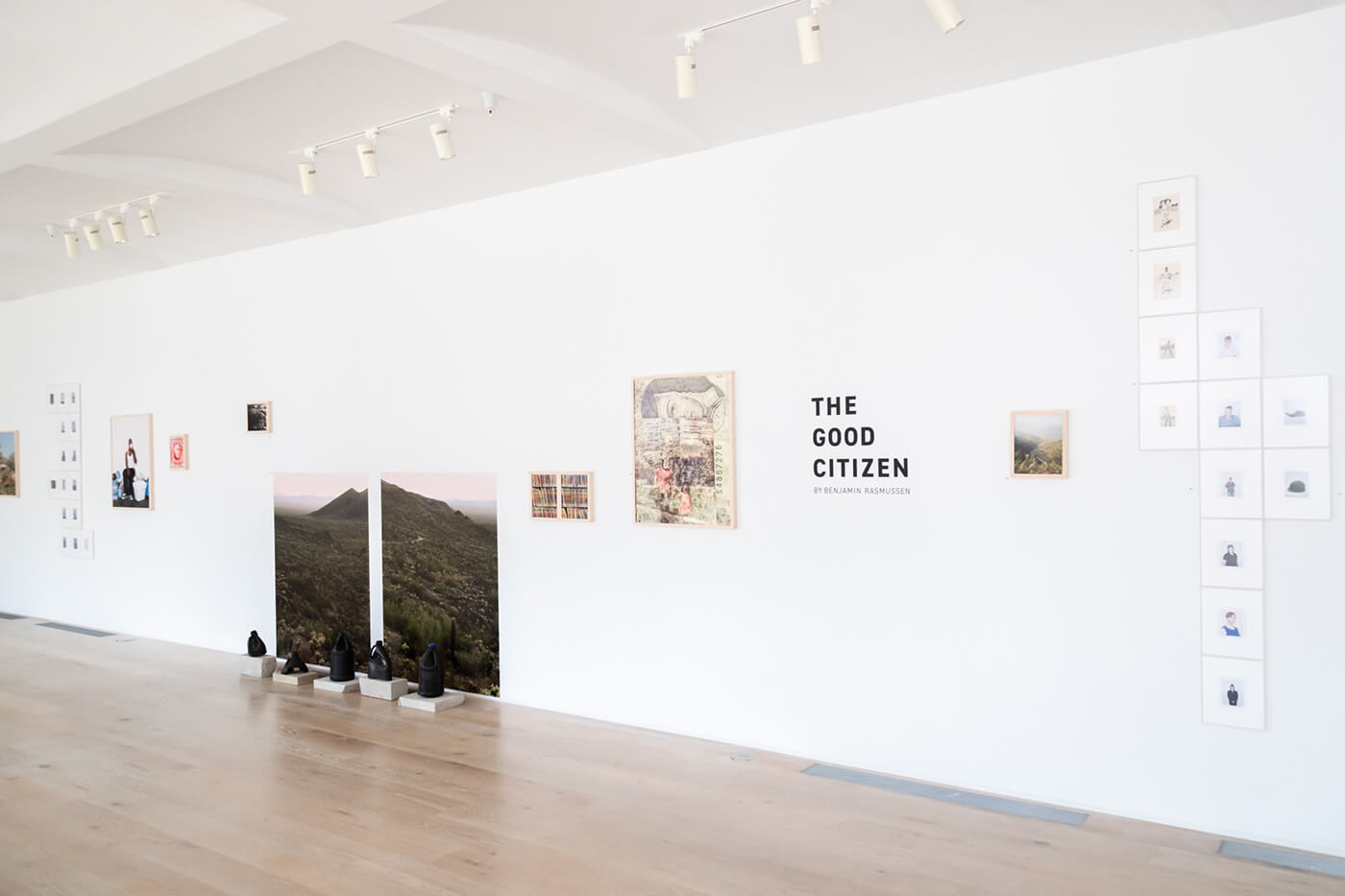
BENJAMIN RASMUSSEN, THE GOOD CITIZEN, PICTURA GALLERY 2023
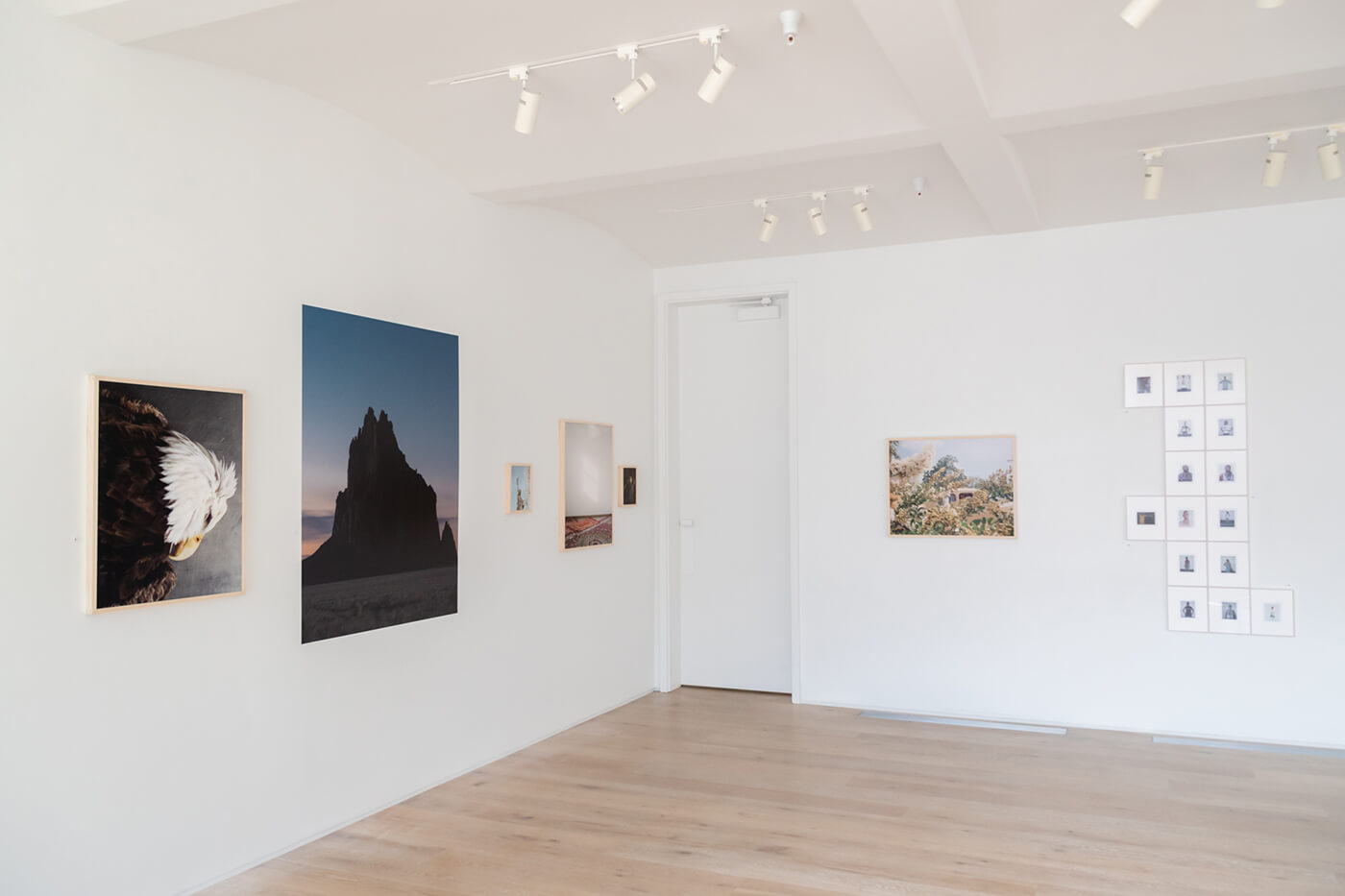
BENJAMIN RASMUSSEN, THE GOOD CITIZEN, PICTURA GALLERY 2023
Some entrants may be navigating their first award submission. What advice can you give them? What’s one thing you sometimes see that elevates a series, and conversely, that might weaken it?
MD: It’s really worth it to spend time on your artist statement and any captions or words that are part of the submission. The way you explain your project is an integral part of shaping the emotional and aesthetic experience of your audience and contextualizing your work. If a statement is long, rambly, and full of unintelligible art speak, it’s less impactful and can actually alienate people. So, explain your series carefully and well, but figure out how to be concise.
LW: It’s a good practice to run your images by some people you consider to be perceptive, to see which images stand out. Sometimes a photographer will hang onto an image because of a personal attachment. Maybe the experience was really meaningful while making the picture. But if your trusted people don’t ever notice it or choose it, or see what you’ve intended, then maybe what you feel is not coming through in the actual picture. For a series to be its strongest, you can let go of the weakest images. If two photographs are very similar, you hunker down and choose the best one.
This time we’ve decided to meet with a shortlist of selected photographers for online portfolio reviews. What’s driven this decision?
Besides making an excellent show, one of our goals in doing this is to make genuine, meaningful connections with artists. We value doing things in the real world- seeing art in person and talking directly with people. There’s such a push in our society towards automated efficiency that we can do business without building actual relationships. A conversation where you forge a personal connection with someone in your industry is a truly valuable way to use your time and energy. We’ve found that it’s the exchange of ideas and the formation of sincere relationships that leads to making things happen.
Tell us how you like to work with a photographer in the curatorial and preparation process for an exhibition.
We meet with an artist to understand and absorb their ideas and goals for their work. Then, with a general sense of the available print sizes and options, we build several mockups of the series in our space. Most of the exhibitions at Pictura are print-based, although we like to add a few non-traditional elements when we can. We typically go back and forth a few times with an artist until everyone is very excited about the layout, and then we get on to production.
Our goal is to translate the artist’s vision into our space using the particular resources that we have available. We value an artist who can think expansively and creatively, and also work pragmatically within the parameters of a particular space and budget.
Are there themes or approaches right now you feel are under-explored or ripe for innovation?
Art can be a conscience, a prophetic voice or at least a weathervane, a magnifying glass on the issues within a culture. But it can also be a source of delight, and this role is sometimes undervalued. Really good projects with humor and levity are harder to find right now. Inserting wit into a project is hard to do well under any circumstance, but it’s also a heavy moment in the world, so naturally, work tends to reflect that. When we do find a series with a sense of humor, it feels like a rare gem.
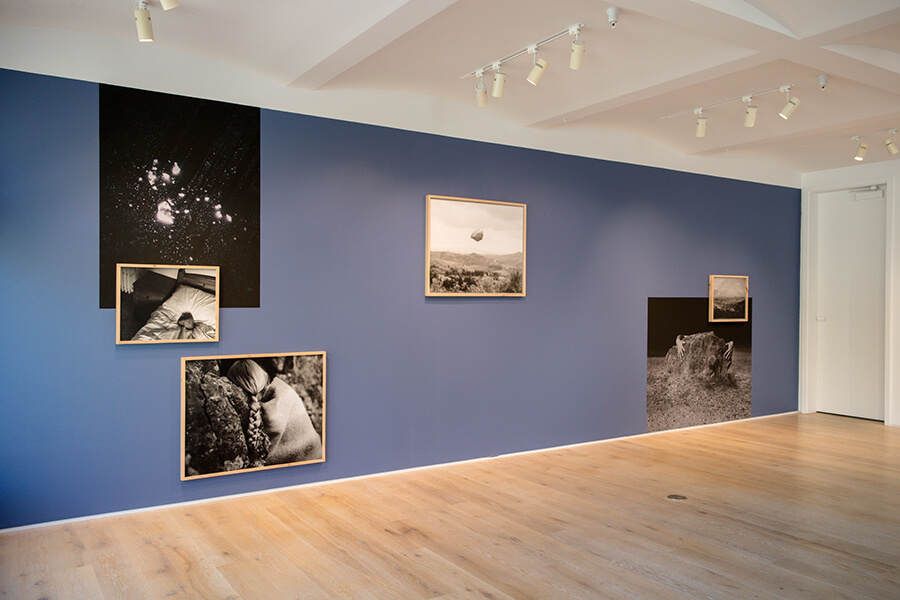
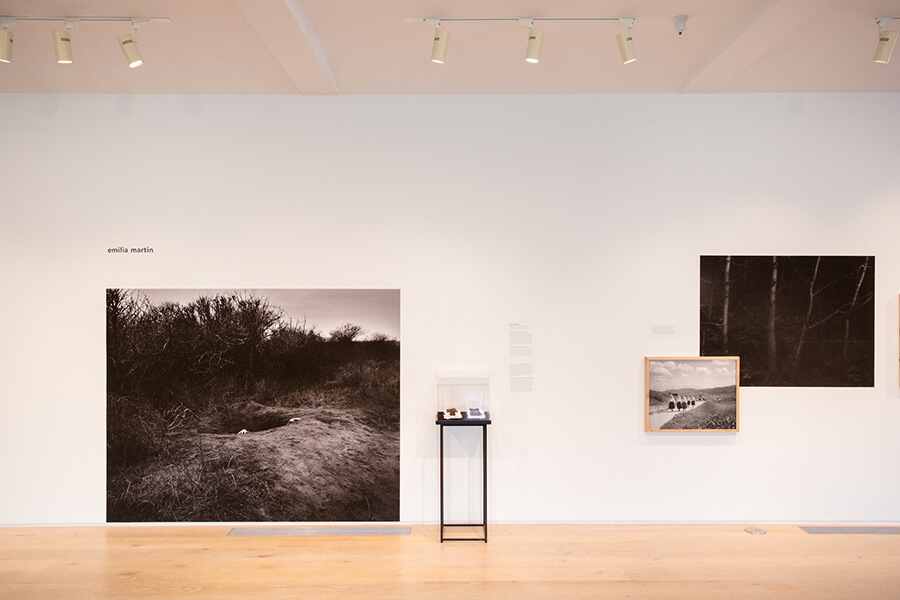
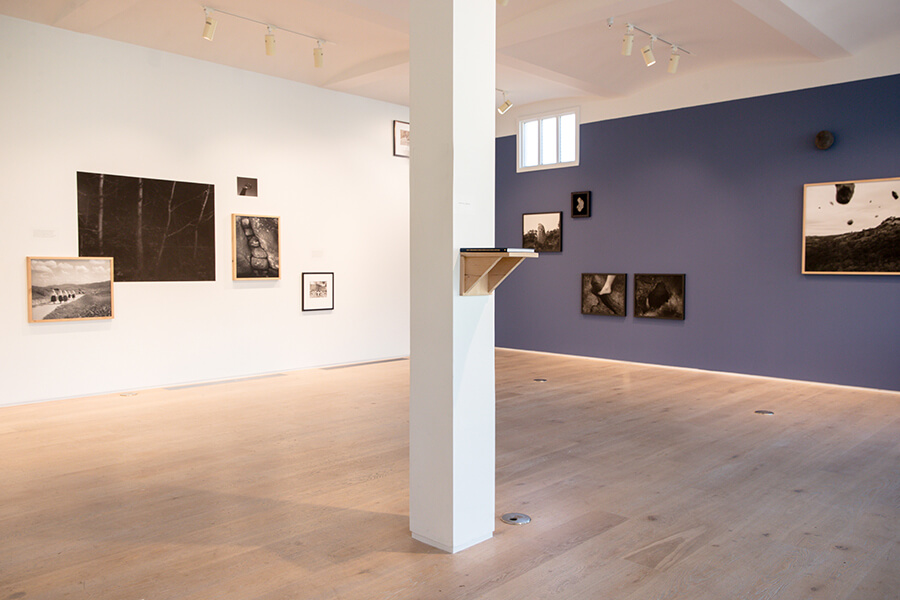
EMILIA MARTIN, I SAW A TREE BEARING STONES IN THE PLACE OF APPLES AND PEARS, PICTURA GALLERY 2025
What continues to inspire you most about photography as a medium?
MD: Photographic series are what inspire me the most right now. A lot of content that is out there is like junk food- it’s made for quick consumption and with little subtlety. It’s meant to elicit a knee jerk reaction rather than invite the desire to think deeply and learn. A good photographic series will help you slow down and consider the complexities of a topic. It will make you feel an array of emotions, not just outrage.
LW: I have been mourning the loss of truth in our culture. With the rise of AI, all images are subject to mistrust. But I still feel that photography, made in earnest, has the capacity to bear truth, even if it’s an imperfect messenger. It’s complicated, but it’s still there.
In a photograph, time is sliced and frozen, such that we can look for as long as we like. This offers space for contemplation, deconstruction, empathy, all things that are hard to do as the media whizzes past on the screen. Do photographs sometimes lie? Sure. But they can also bear truth from the real and physical world. This is one reason we persist in exhibiting prints on the wall, to offer a slow encounter with the image.
What was the last exhibition you saw that blew you away?
MD: Agnès Geoffray’s exhibition at Arles, They Stray, They Persist, They Thunder. Institutionalized girls from the past were brought back to life through black and white images that were framed or projected onto the wall. The only color in the show came from sheets of neon coral acrylic that had prints and texts mounted behind them.
Geoffray and the curator, Vanessa Desclaux, built this show as if they were designing a small world. The exhibition had its own visual language, its own distinct color palette and it almost felt like it had its own law of gravity (in many images, subjects are upside down or in the act of falling.) It had an aesthetic simplicity that takes so much work to accomplish but then sings. (If one could have a crush on a photographic exhibition, then this would be at the top of the list.)
LW: I was knocked over by an installation at Luma in Arles, with a work from the collection by Hans Peter Feldmann called “100 years.” I saw this two years ago, and I still think about it. There was no revolutionary tech or new technique, just 8×10 black and white portraits of people, aged 1 to 100, arranged in a sequential, asymmetrical grid on the wall. It began with a portrait of a 100 year old person, then every age was represented, until it ended with a baby. It sounds simple, but the experience was profound – I encountered each individual life but also the entire human lifespan, communicated so completely, in quiet frames on two walls. It was such a deep use of time in the still image.
And finally, if you could pass on one message to all entrants, what would it be?
Thank you for putting yourself out there. It’s an act of courage to share your work. Even if your series is not selected, know that we will be looking at it very carefully, taking in your vision and what you have to say.
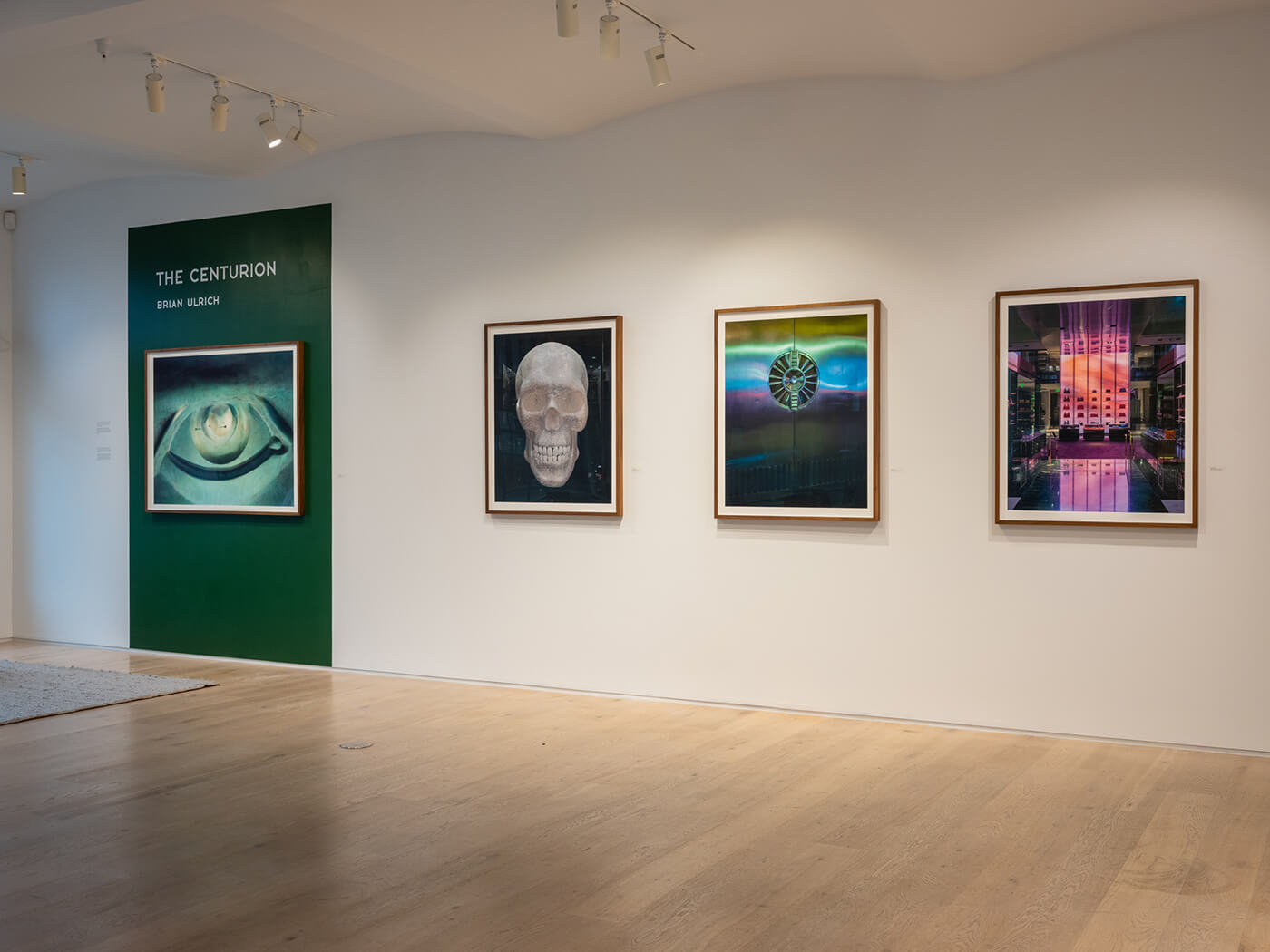
BRIAN ULRICH, THE CENTURION, PICTURA GALLERY 2025
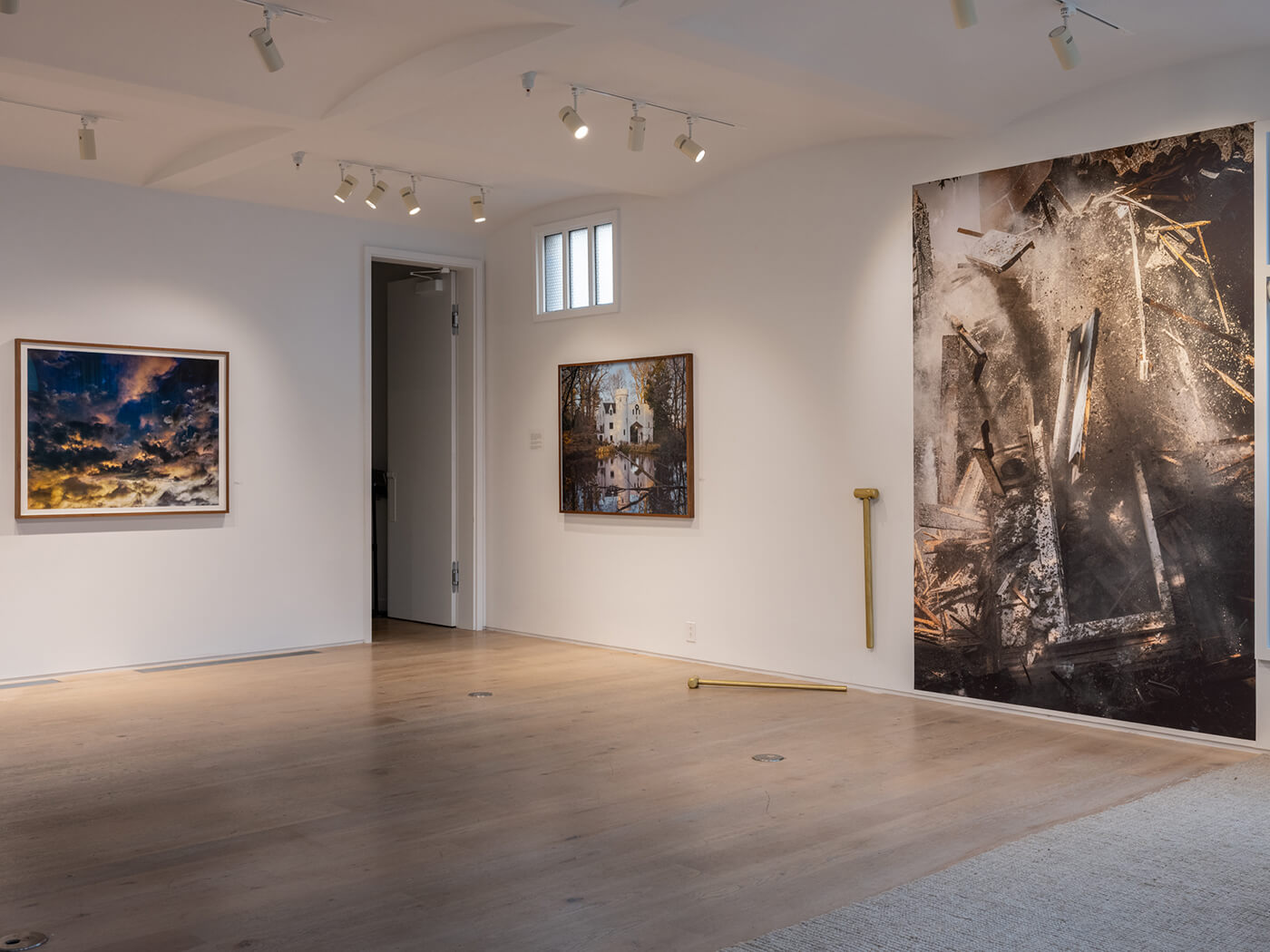
BRIAN ULRICH, THE CENTURION, PICTURA GALLERY 2025
All images © Pictura Gallery
See more at www.thefar.org/pictura-gallery and find out more about our Series Award here.