INTERVIEW
What It Means To Be Human
WITH AYAKA YAMAMOTO
AN INTERVIEW WITH AYAKA YAMAMOTO
“I spend time in places that are unfamiliar to me and photograph the people I meet there… My work considers what it means to be human.”
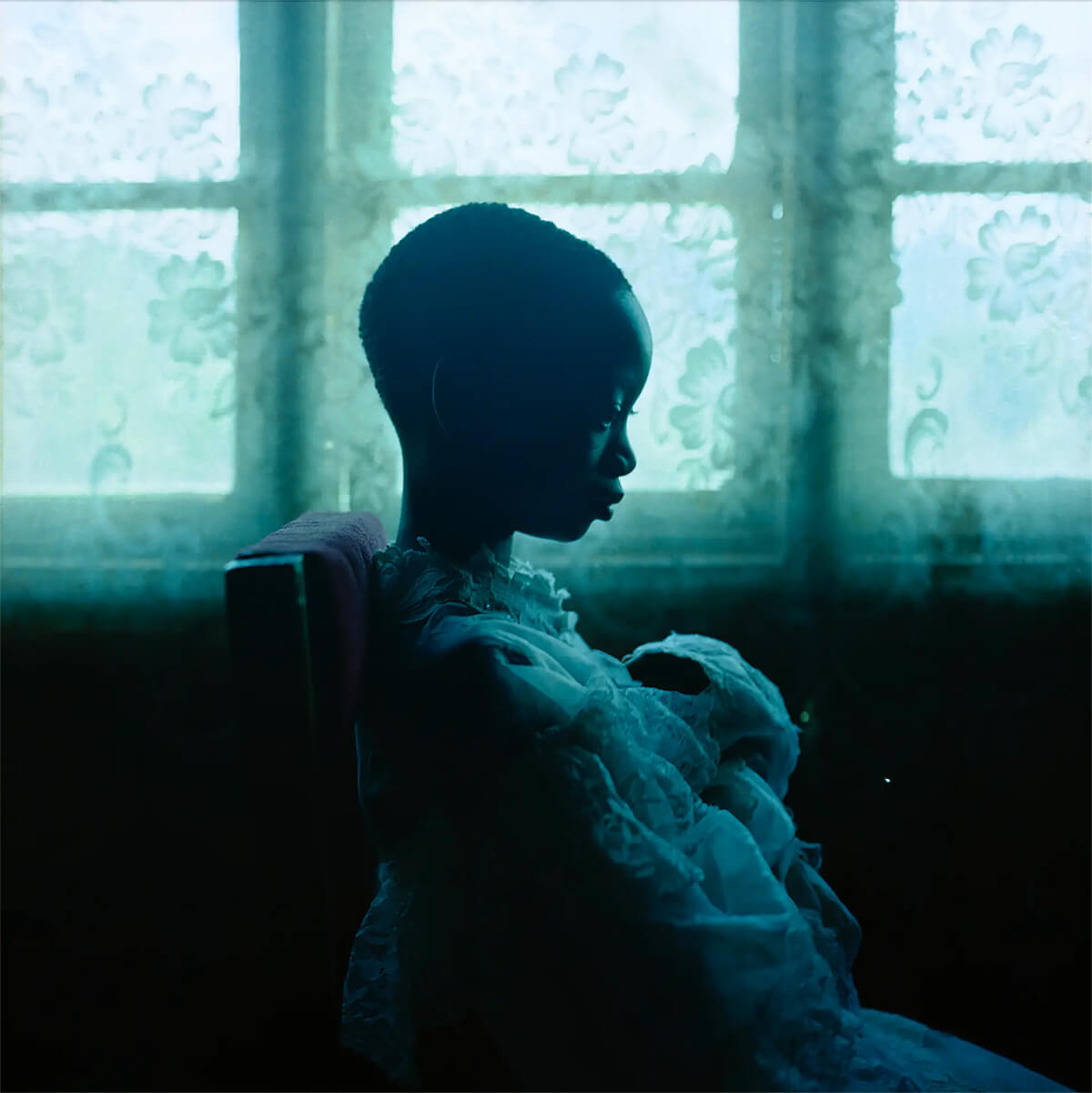
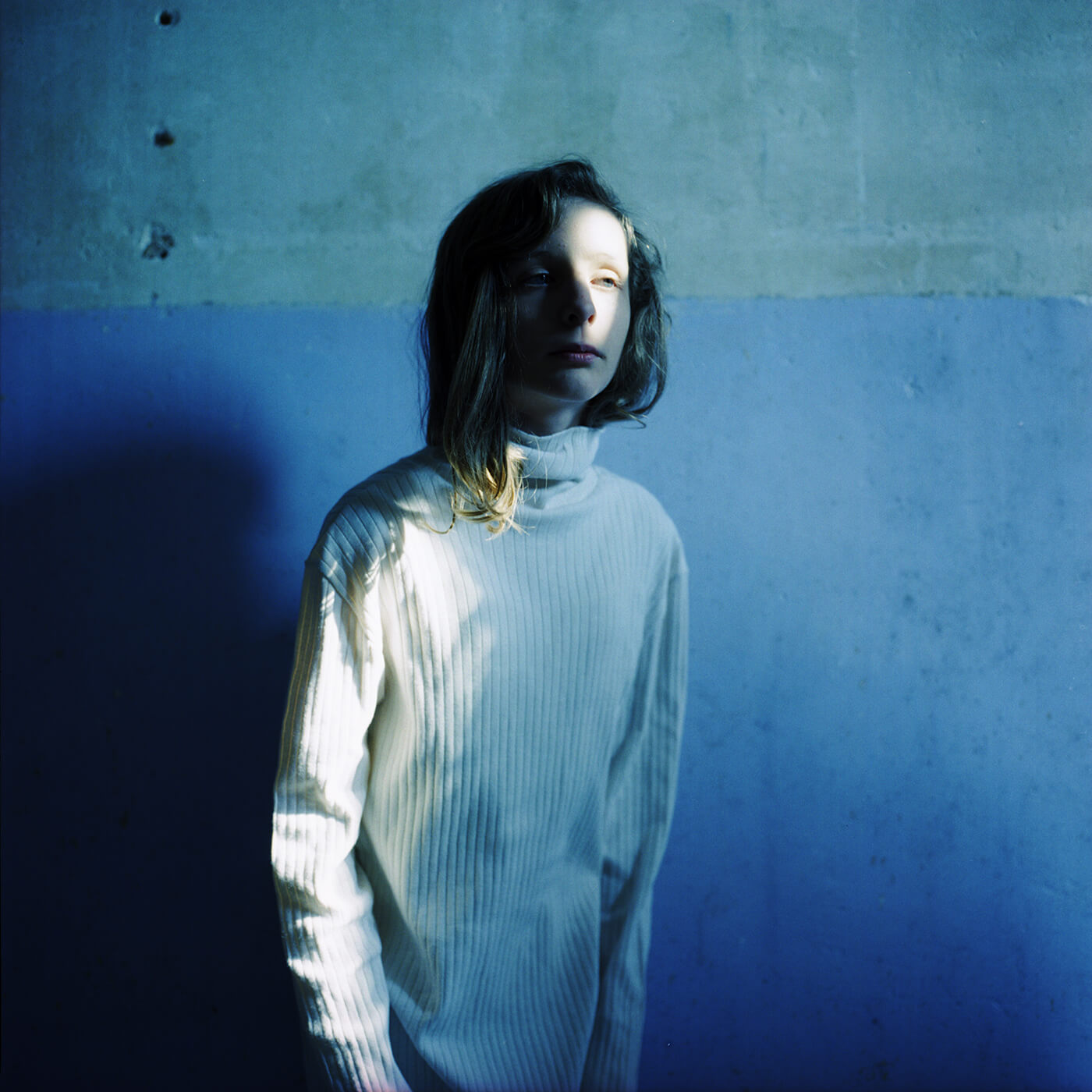
Ayaka Yamamoto won our May 2026 Portraits competition, with a mysterious, sensual image that judge Robin Hammond praised for both its exceptional storytelling and its technical mastery – “lighting, colour, composition – instruments in a piece of music I am left longing to listen to over and over,” as he put it so well. It’s an image that’s indicative of Ayaka’s broader approach – enigmatic portraits drawn in carefully chosen textures and colors, that invite intrigue and empathy in equal measure. Keen to know more about the photographer behind the work, we put some questions to her – covering her background, approach, inspiration and future wishes…
BANNER IMAGE: UNTITLED #510, SAMTSKHE-JAVAKHETI, GEORGIA, 2023
AYAKA’S WINNING IMAGE FOR PORTRAITS
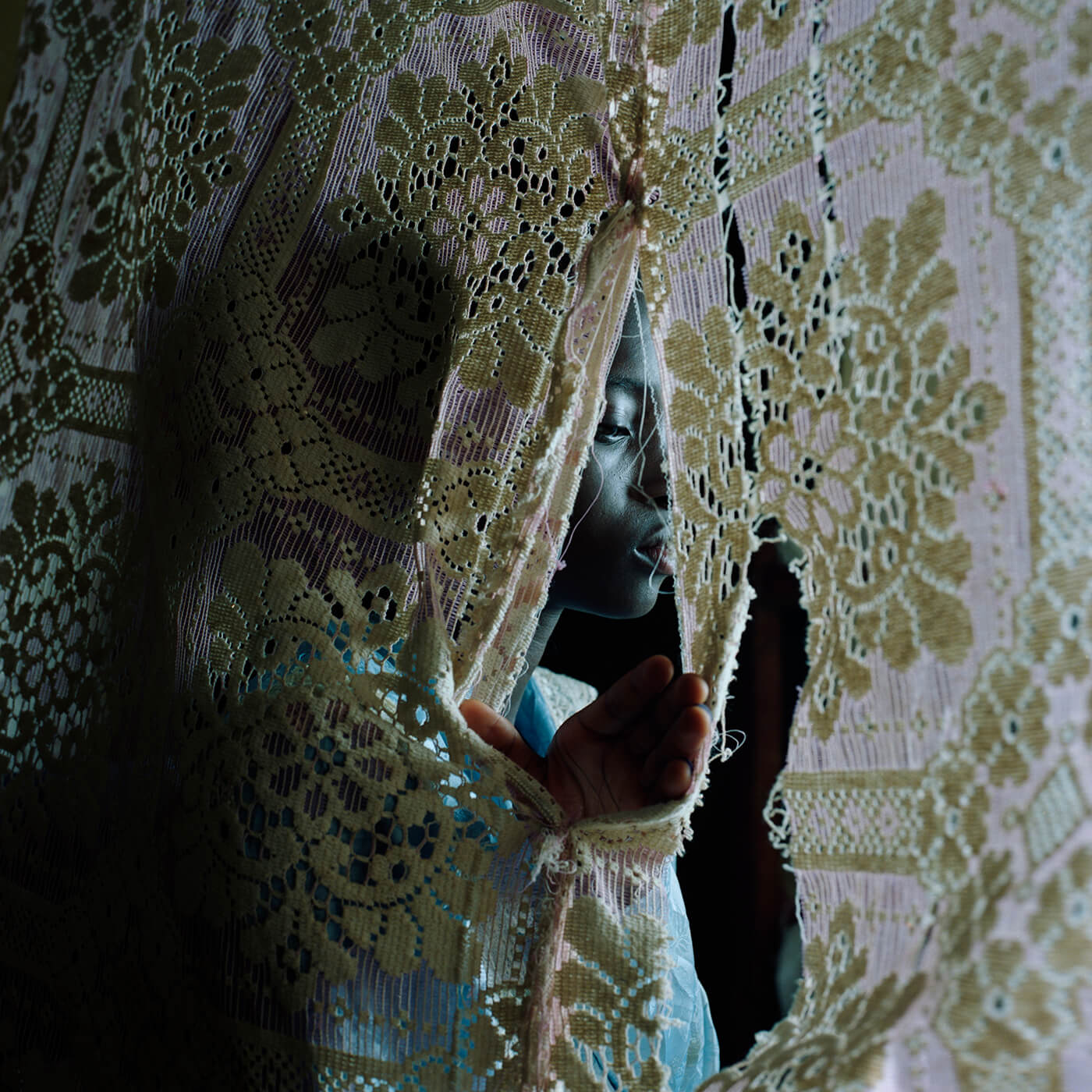
UNTITLED #290, MZIMBA, MALAWI, 2019
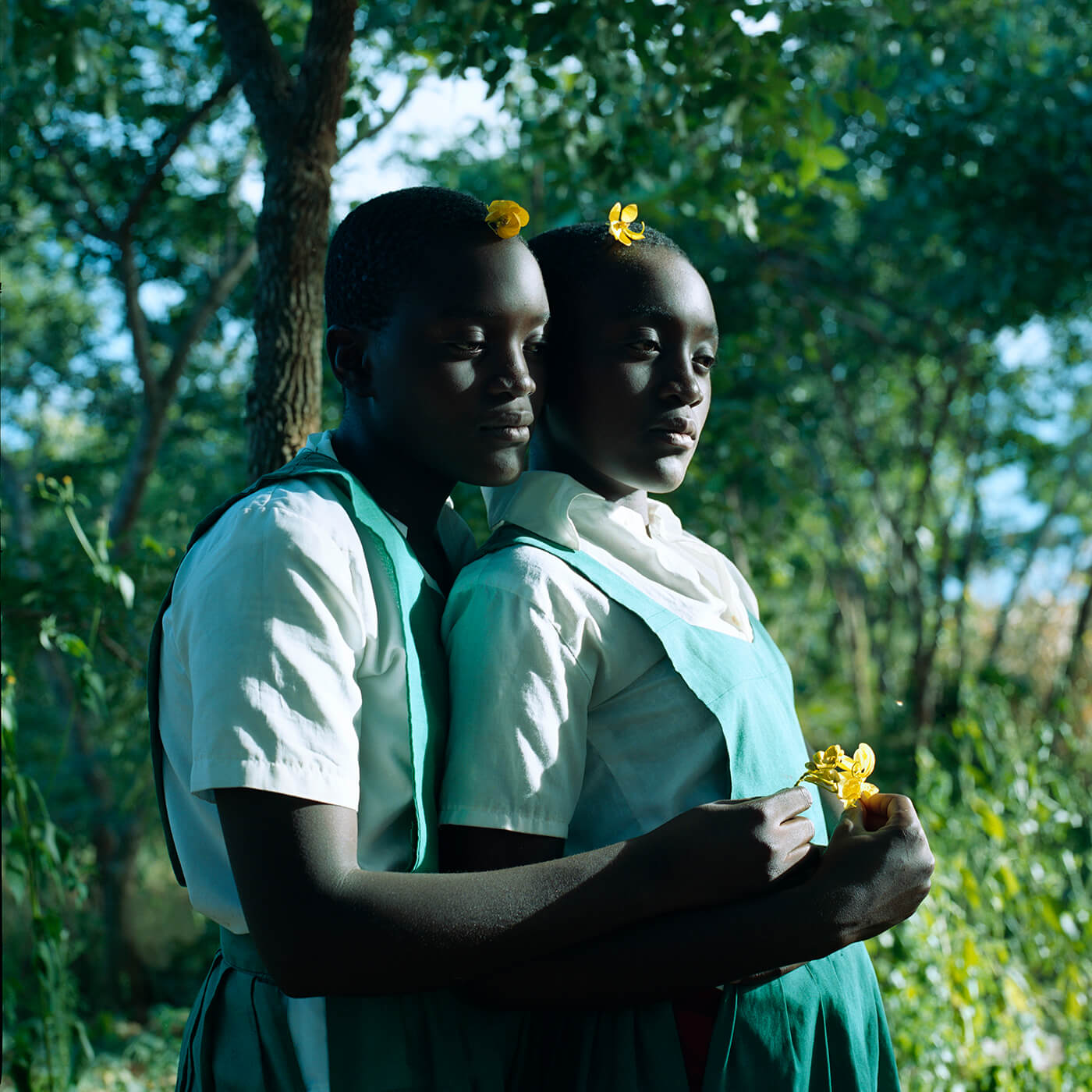
UNTITLED #300, MZIMBA, MALAWI, 2019
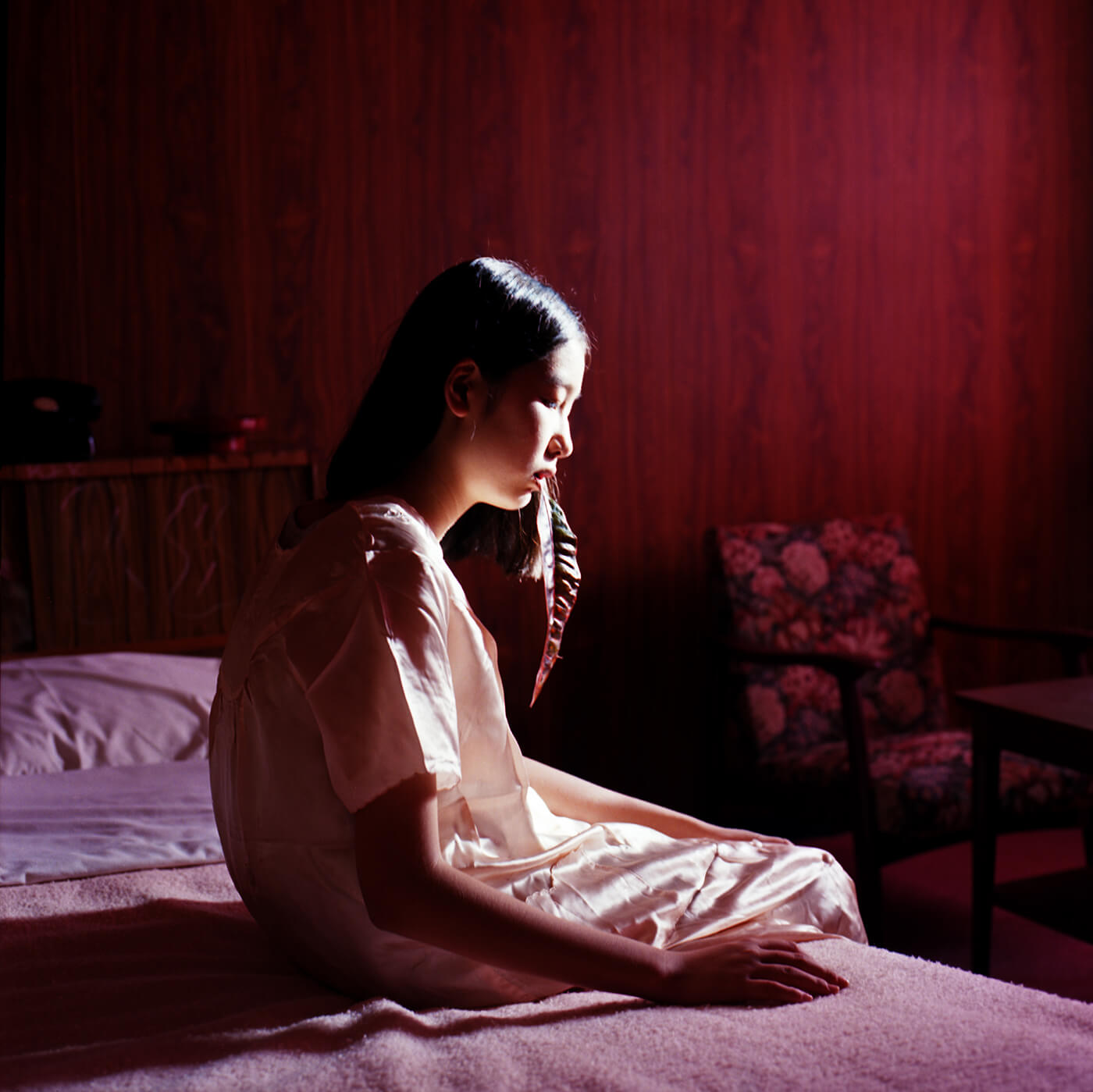
UNTITLED #387, OKINAWA, JAPAN, 2020
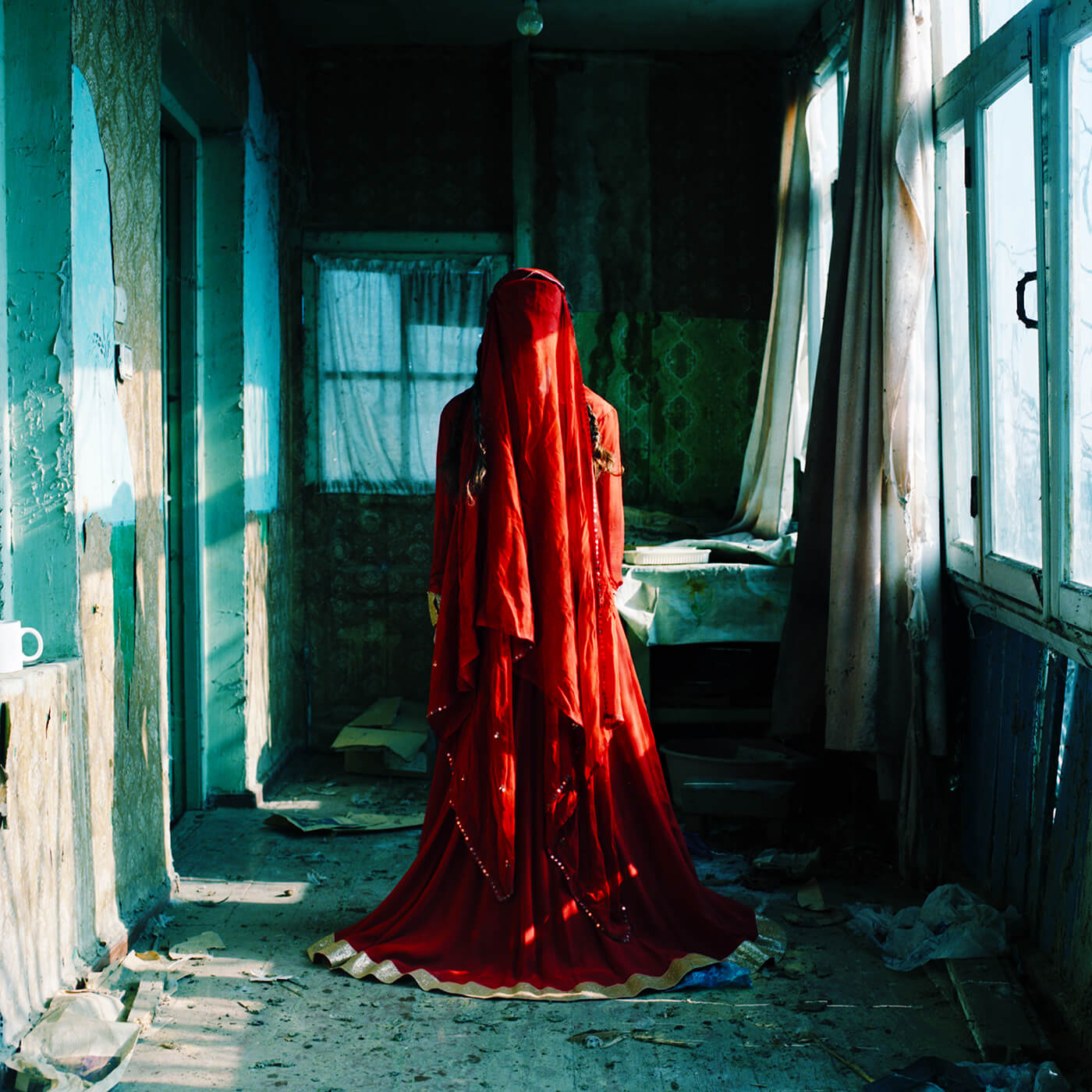
UNTITLED #430, KVEMO KARTLI, GEORGIA, 2023
Dear Ayaka, congratulations on winning our recent Portraits competition! Please introduce yourself in a few words…
My name is Ayaka Yamamoto. I am based between Okinawa and Kobe, Japan. I spend time in places that are unfamiliar to me and photograph the people I meet there. Through photography, moving image and other media, my work considers what it means to be human.
How did you find your way into photography?
I studied oil painting at art university in Japan. As a student, I began making performances, and at first used photography and video only to document them. During an exchange program in the United States, I started taking photography seriously.
However carefully you construct a photograph, it is still made from fragments of reality, and things you cannot control slip in. That drew me in. One day, looking at a contact sheet, I saw my friend in a way I had never seen with my own eyes. It was unmistakably her, yet she seemed very far from the person I thought I knew. That surprise led to
the portraits I make today.
Your winning image is from a long-term series called We are Made of Grass, Soil, and Trees? Can you tell us a little bit about the genesis of that?
I have been working on this series since around 2009. My experience of making photographs in the United States made me wonder whether, when we cannot rely on language, our other senses might become more acute.
Later, wanting to go somewhere I knew almost nothing about, I spent about three months in a small village in Estonia, photographing the people I met there. In 2015, while in Hokkaido, I read an Ainu myth that connected with something I had been feeling physically through my travels.
It eventually led to the title We are Made of Grass, Soil, and Trees. After photographing people for so many years, I keep coming back to one question: What inhabits the body as a vessel? Is it something like a soul? The residue of a person’s experiences? Something inherited genetically? Or perhaps some larger form of human memory? I still don’t know.
And the body is not simply a vessel. It keeps changing through its relationship with the land and the people in front of it. What kind of image emerges from that? That is what I keep asking.
We understand it’s comprised of images from places as diverse as Estonia, Russia, Malawi and Georgia. How do you go about selecting these places? And beyond that, how do you find your subjects?
I rarely choose a place because I know a lot about it. I want to stay there and learn how people live and how they relate to the land around them. For example, I had long wanted to photograph in Africa. Then a Japanese woman living in a village in Malawi happened to visit a friend’s hair salon. Through her, I went to the village, and she introduced me to people there.
Most of my subjects now are women. I sometimes spend long hours alone with someone in a room or an abandoned building. For them to relax, I need to be relaxed too, and for me that comes more naturally with women.
Where’s the next location you plan, or would love, to visit?
I would especially like to visit Mexico and Indonesia, and I would also love to return to Malawi and Georgia. I hope to continue photographing in many different parts of the world. I have always been drawn to places where things that have existed for a long time are not separated off as something belonging to the past, but remain part of people’s everyday lives in the present.
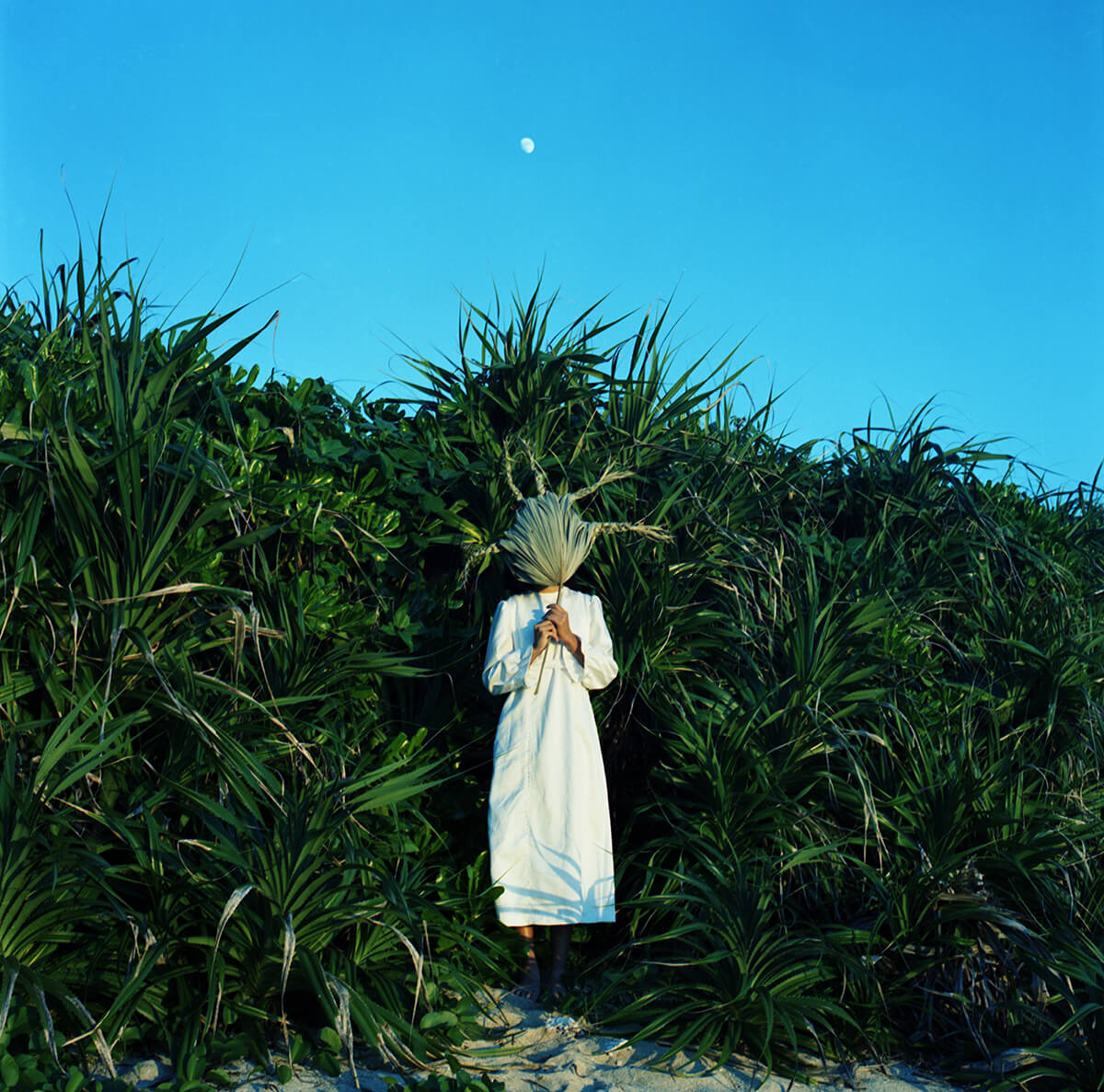
UNTITLED #339, OKINAWA, JAPAN, 2020
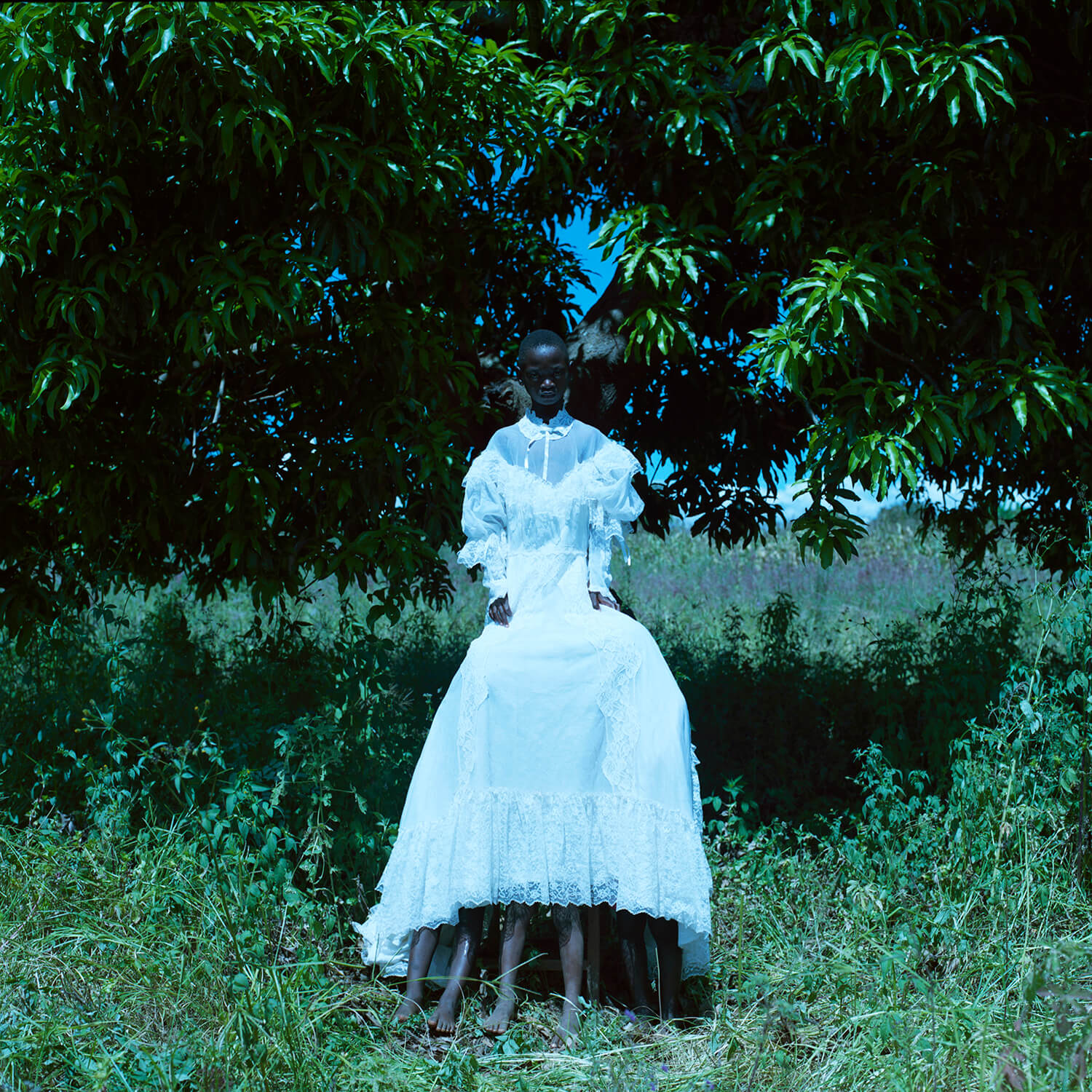
AYAKA’S FAVORITE SHOT: UNTITLED #310, MZIMBA, MALAWI, 2019
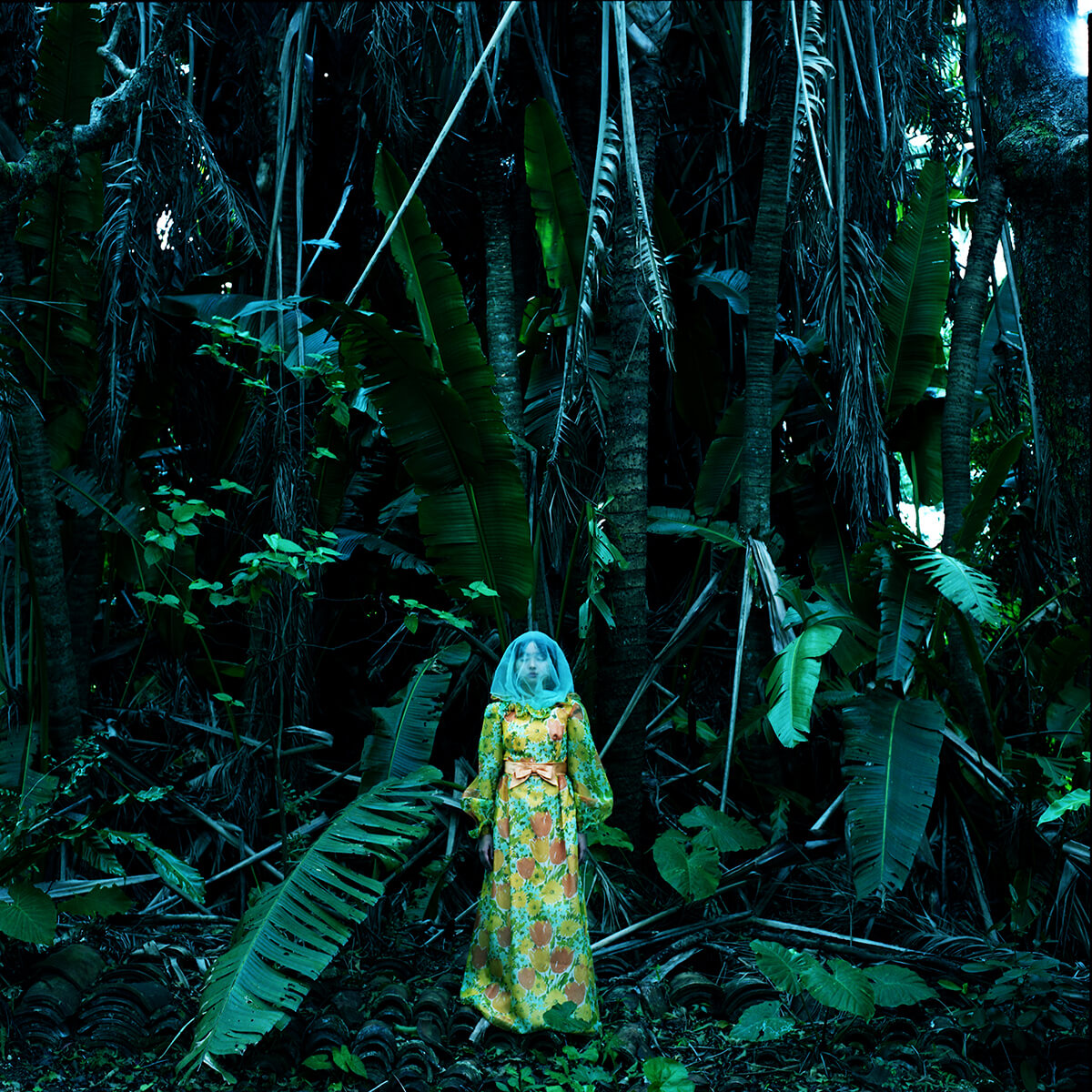
UNTITLED #740, OKINAWA, JAPAN, 2026
The circumstances behind your winning image were fascinating to read. Can you tell us a little bit about the circumstances behind one of the others?
There was a girl in a village in Malawi whom I photographed several times. There was a large grassy area in the village where the children would run around, and in the middle of it stood one enormous tree. I felt as though it had been standing there for a very long time, watching over the village and the children.
One day, I was about to photograph the girl in front of the tree, wearing a dress. When I turned around, I saw that a large group of her friends had gathered to watch us. Her grandmother called to the children, something like, “Get in, get in,” and they all climbed underneath the dress.
In the photograph, all you can see beneath the dress are the children’s many legs. To me, they also looked like roots growing out from the large tree. It was not an image I had planned in advance. It came out of simply being there with the people around me.
We’re also interested in your process technically, particularly because many images have a striking and unusual blue-green palette. We understand you always shoot on film and hand-print in the darkroom. Tell us more about the process and the importance of color in your work…
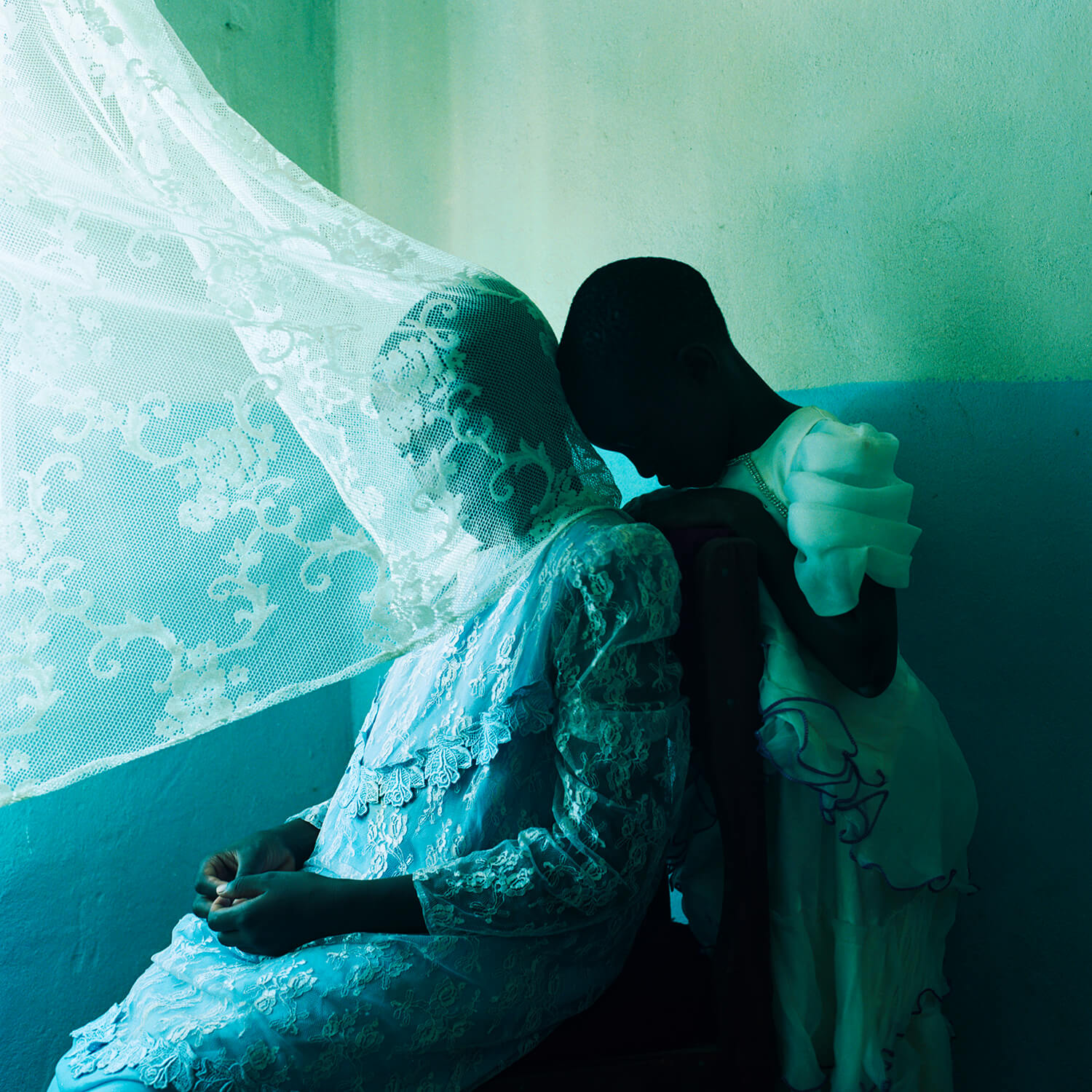
I shoot my portraits on film, and my exhibition prints are made one by one in the darkroom by a printer in his seventies whom I have worked with for over ten years. In analog printing, color shifts with humidity and the conditions of the day, and the same settings never give exactly the same print. I like that instability.
I don’t assign meaning to blue or green in advance. In Eastern Europe there were many blue-green walls, and that color reflected onto people’s skin. When printing, I aim less for the real colors than for the colors that remain in my memory. Perhaps that is why my images lean slightly blue.
Researching, shooting the portraits themselves, the process in the dark room, exhibiting, photobook creation… What’s your favorite part of the full process?
Photographing, definitely. Sometimes, looking through the viewfinder, something appears that I could never have imagined. At those moments I think, “What on earth is this?!” and my hand can tremble on the shutter. What I thought I knew, or how I thought I saw it, wavers for an instant. I think I have always been searching for that.
Because I shoot film, I can’t see the image right away. I also love the moment, after developing the film, when I encounter in the photograph what I saw while I was there.
What’s the best piece of advice you’d pass on to your younger self if you could?
If there is somewhere you want to go, go while you can. When I was young, I assumed those places would always be there. But the world changes, and so does your body. I wish I had gone back to Russia more often, and traveled further while I had the
energy. Every time I encounter a culture I don’t know, or people whose lives are completely different from mine, my world grows a little larger.
And: study English more!
And finally, what can we expect from you next?
I want to continue the portrait work I have been making for many years. I also want to continue organ, my moving-image work using the human voice, in different parts of the world, just as I do with my photography.
I also want to pay more attention to the voices and words that emerge from the people I photograph. For some time, I have been asking my subjects, “What do you believe in?” Recently, one girl answered: “AI.”
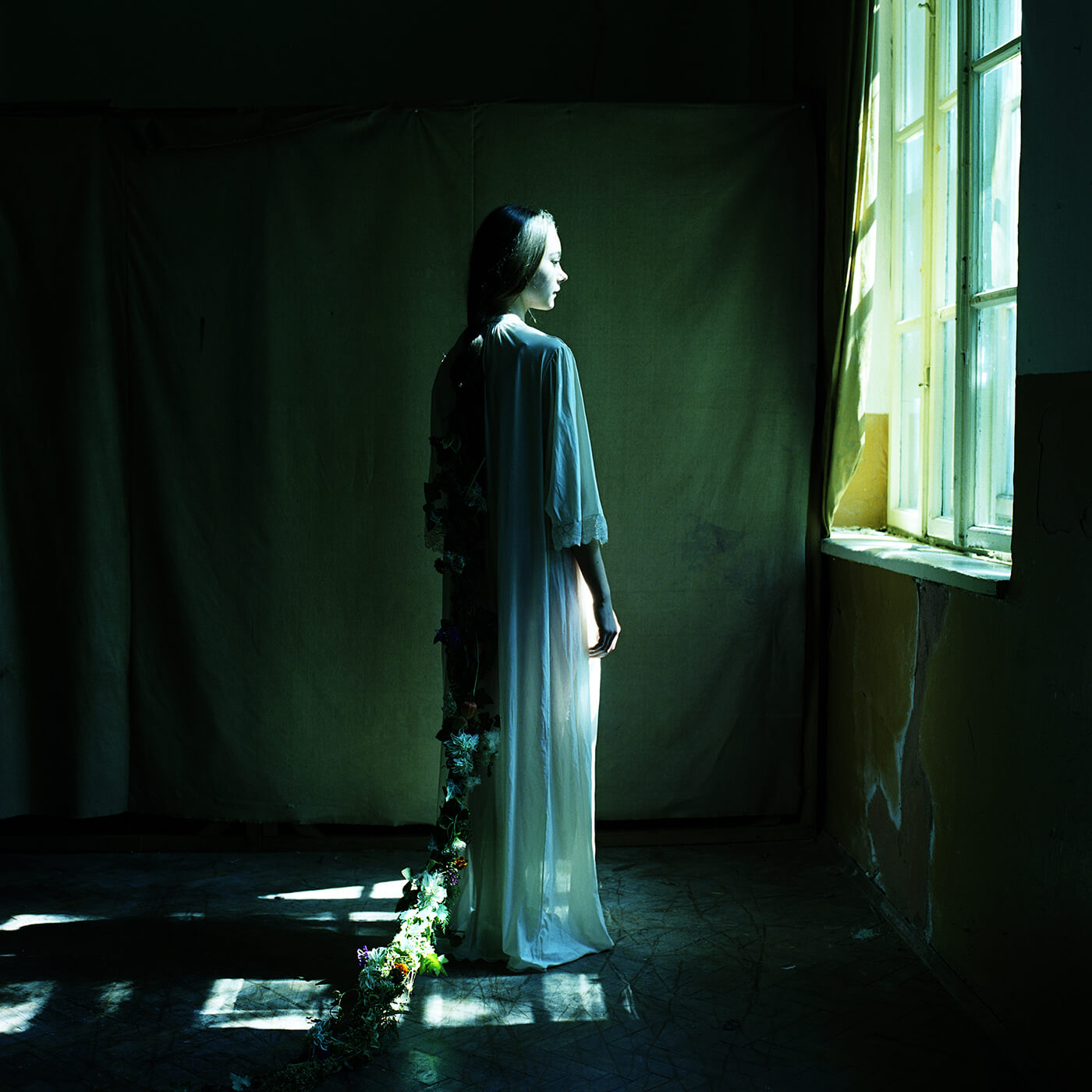
UNTITLED #175, VELIKO TARNOVO, BULGARIA, 2016
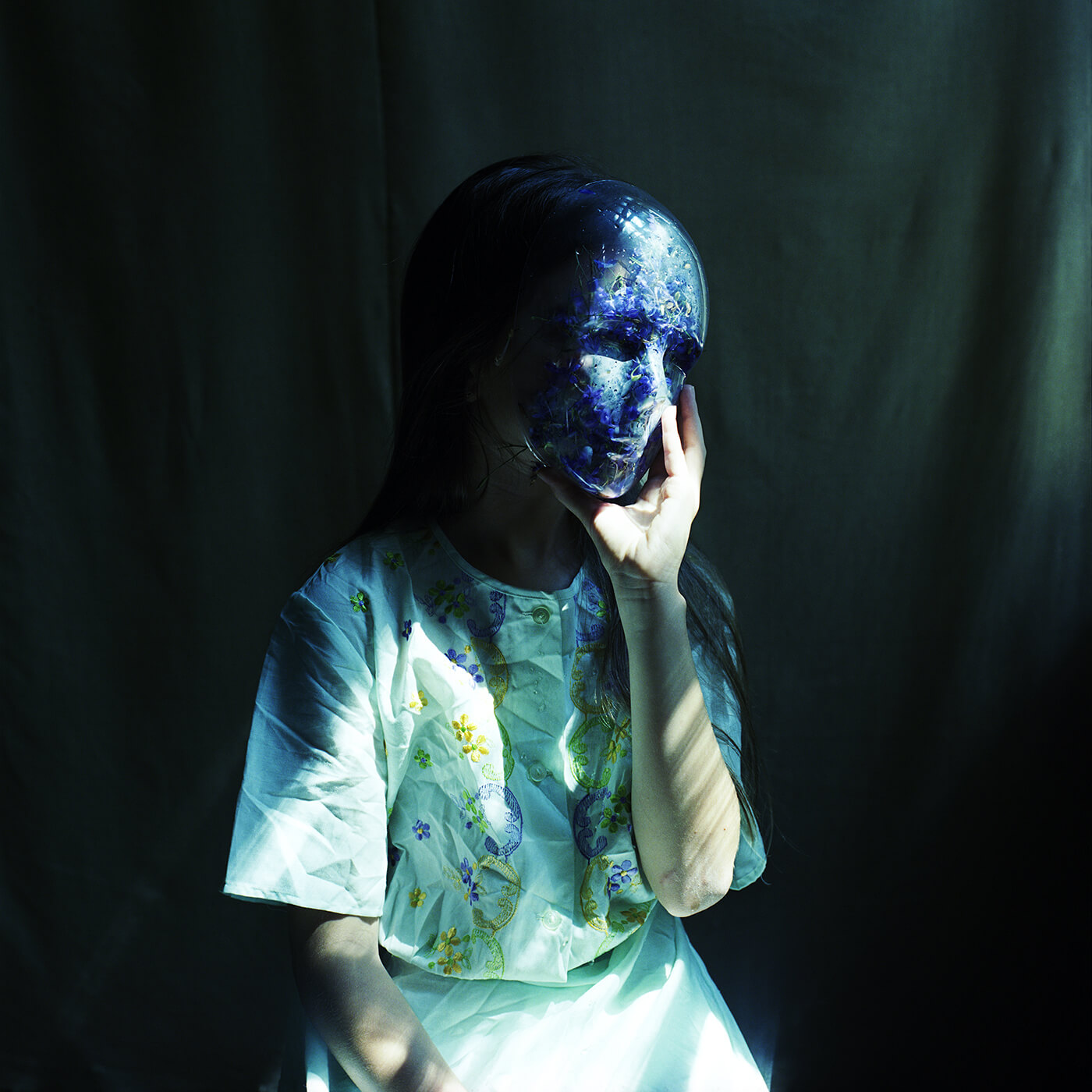
UNTITLED #200, VELIKO TARNOVO, BULGARIA, 2016
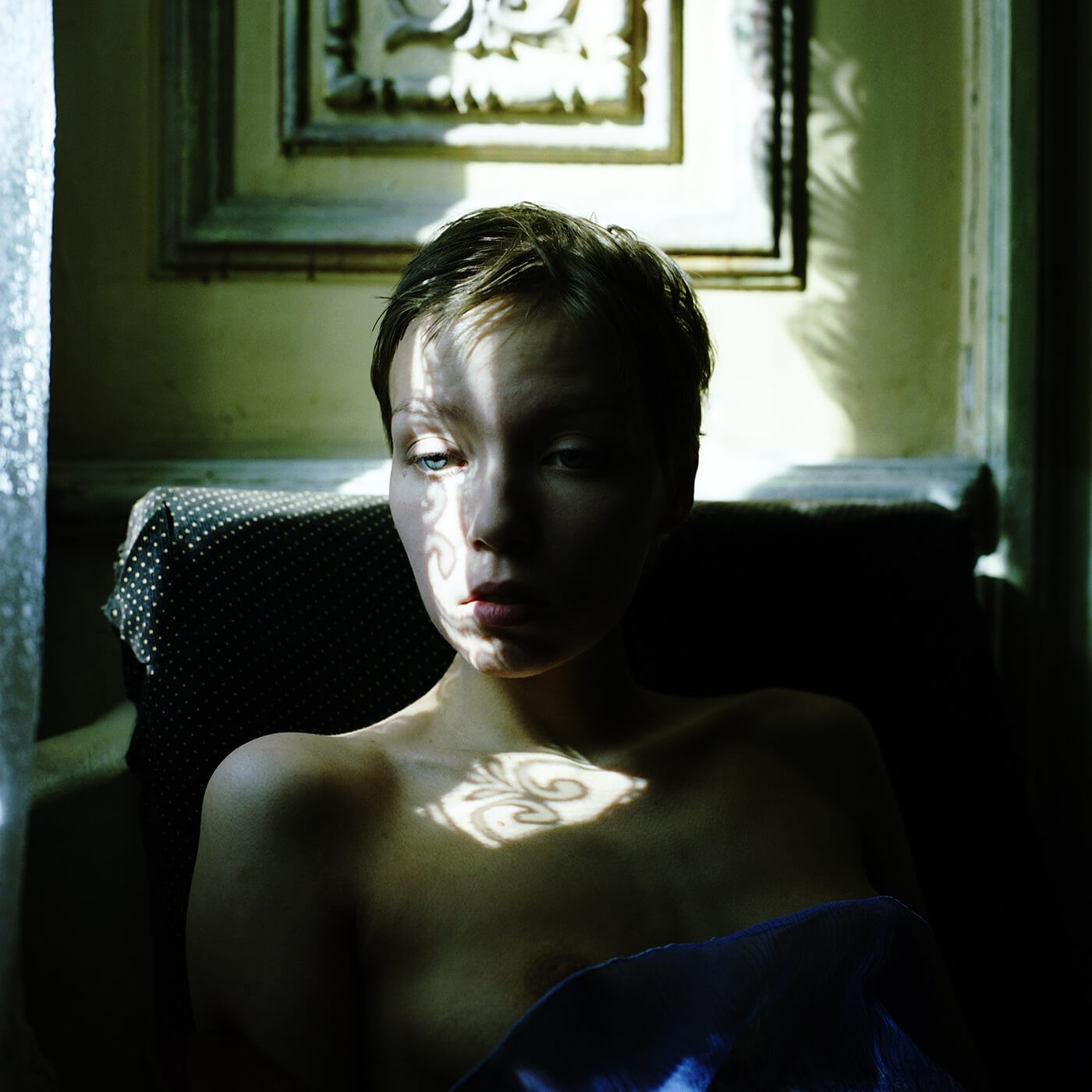
UNTITLED #119, ST. PETERSBURG, RUSSIA, 2014
UNTITLED #084, NIORT, FRANCE, 2013