INTERVIEW
Small Acts of Falling in Love
WITH JOSE BRAVO
AN INTERVIEW WITH JOSE BRAVO
“I experience many of my images as small acts of falling in love: a way of pointing to something that, in the middle of the world, touches me and makes me stop.”
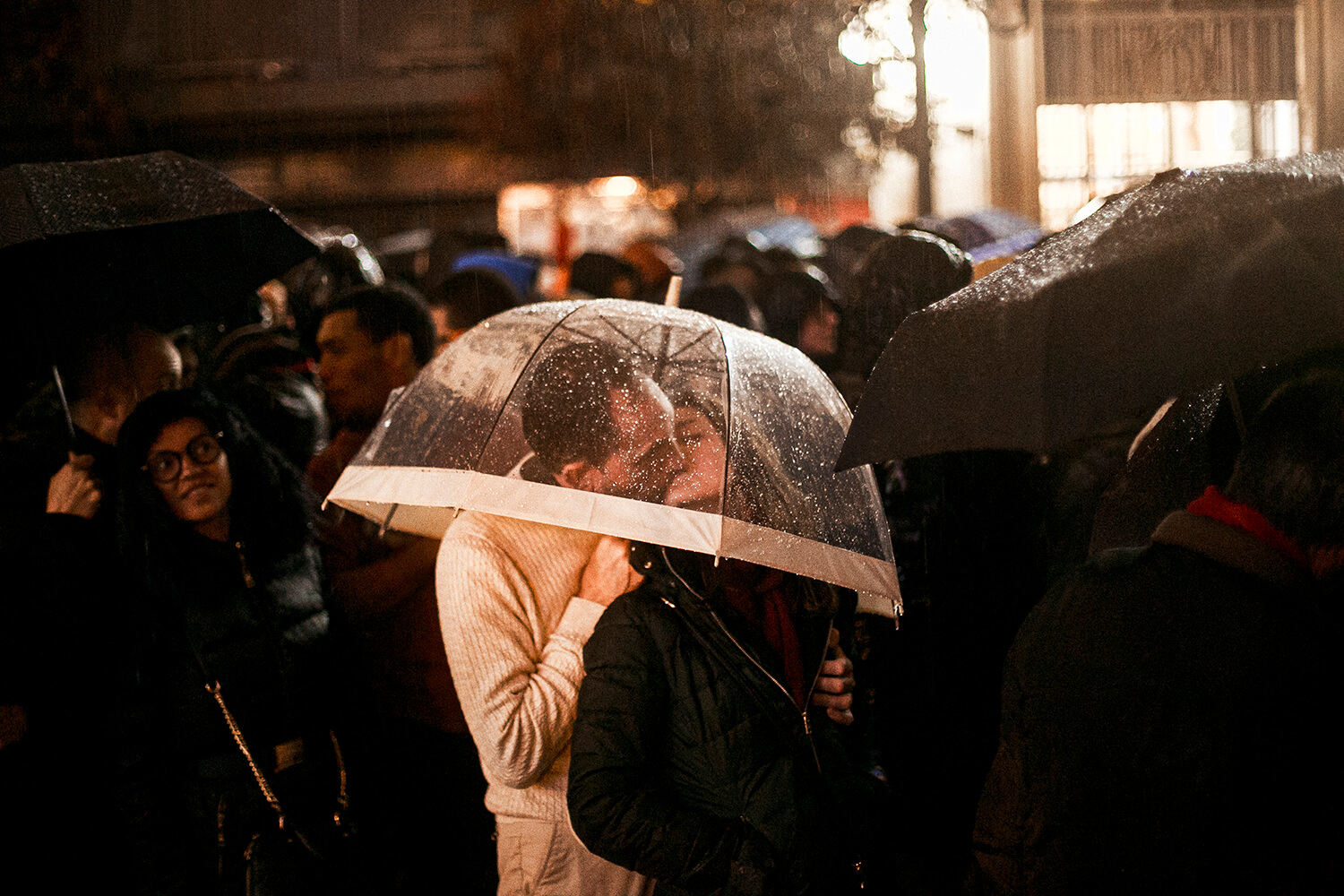
Jose Bravo won our August 2026 Humans competition with an image judge GMB Akash praised for it humanity, emotion, atmosphere and sense of connection. It’s an image indicative of his photography – rooted in human connection and documenting the fleeting moments of intimacy, vulnerability and presence that can make the everyday feel extraordinary.
A photographer and psychotherapist, he approaches his subjects with an unusual openness and sensitivity, drawn to bodies, gestures and encounters that reveal something honest about what it means to be human. Keen to know more about the photographer behind the work, we put some questions to him – covering his beginnings, his relationship with strangers, the interplay between photography and psychotherapy, and what continues to inspire him…
JOSE’S WINNING IMAGE FOR HUMANS
Jose, congratulations on winning our recent “Humans” competition! Please introduce yourself in a few words.
I’d say I’m still that curious, shy, sensitive child with a big heart who one day learned that what we fear can become our greatest passion.
I’m a photographer and psychotherapist, and through both of those roles I try to contribute to helping us look at ourselves, recognize ourselves and express ourselves more freely.
Ever since I was a child, I’ve felt deeply connected to those characters in films who devoted their lives to inspiring others and making their small contribution to the society they happened to live in, so that there might be a little more magic in the world. In one way or another, that’s what I want to keep dedicating my life to.
Can you tell us a little more about your winning image and the circumstances behind it?
I remember it as if it were yesterday, and seven years have already passed. There are very few photographs — you could count them on one hand — where, as you are taking them, you have the feeling that they are going to stay with you for a very long time.
I was in Valencia’s City Hall Square on the night of the cremà, the final moment of the Fallas festival, when all the Fallas monuments are burned. A huge crowd was waiting and, suddenly, it began to rain heavily. And then they appeared. I remember it almost as if a small light had suddenly switched on in the middle of everything. I was drawn to the contrast: the night, the rain, the crowd and, in the middle of it all, that small space beneath the transparent umbrella. The raindrops almost seemed to protect them and hide them from the rest of the world.
After taking the photograph, I went over to thank them. I told them: “You’ve given me a great photograph.” The following day, Amanda, the woman in the photograph, sent me a beautiful email. She wrote: “You’ve given us the best photograph we have together.” A year later, she unexpectedly came to an event I was organizing and brought me a bouquet of flowers.
It seems that it represents a theme you return to time and again: Love. Is that fair to say?
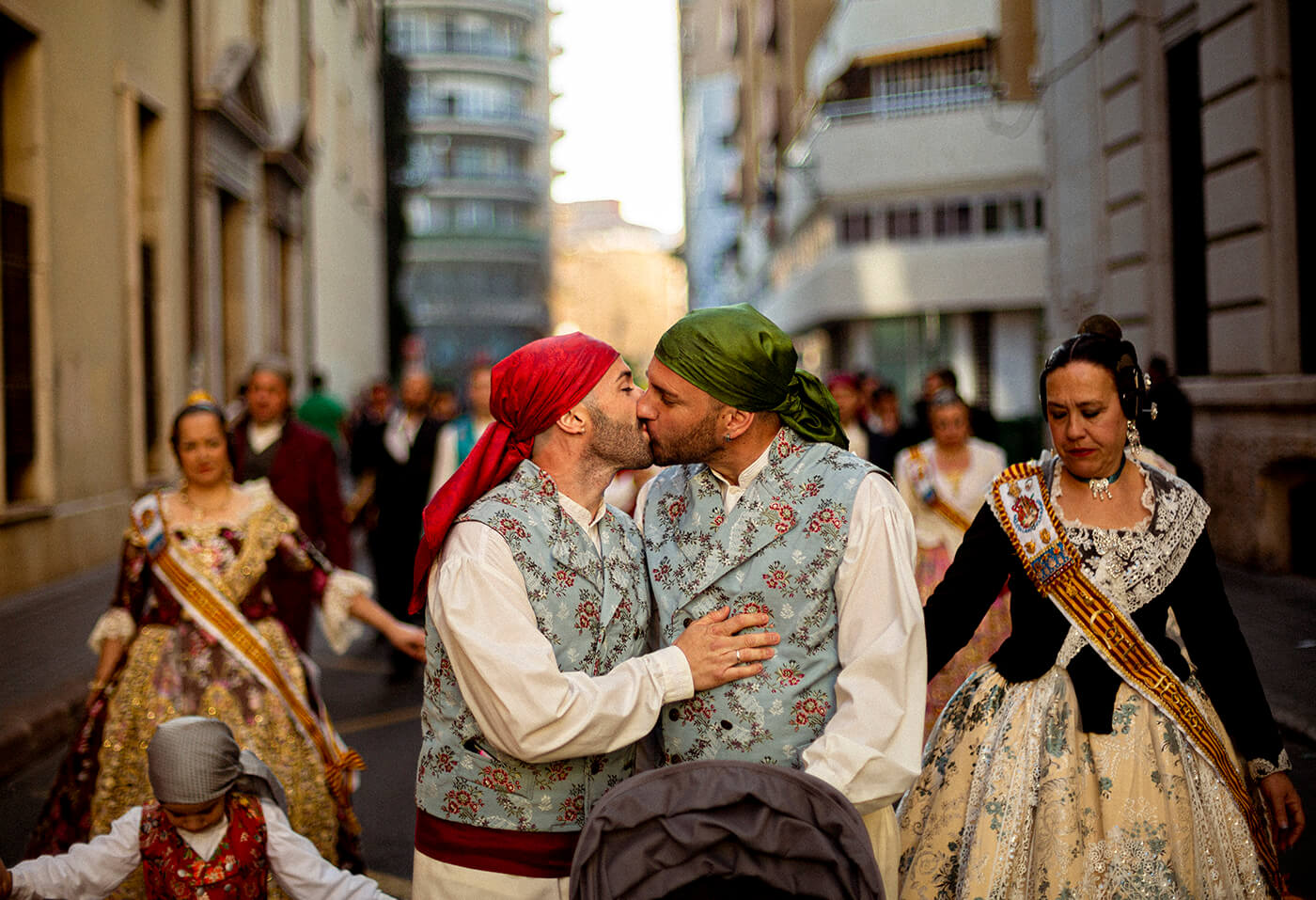
I’d say that love, rather than being a theme, is at the core of everything. It’s there in the way I relate to photography, in the way I understand our connection with others, and also in what makes something touch me enough, among everything happening in front of me, to decide to photograph it.
I’ve always said that I hope every photograph can be a kind of falling in love. I experience many of my images as small acts of falling in love: a way of pointing to something that, in the middle of the world, touches me and makes me stop.
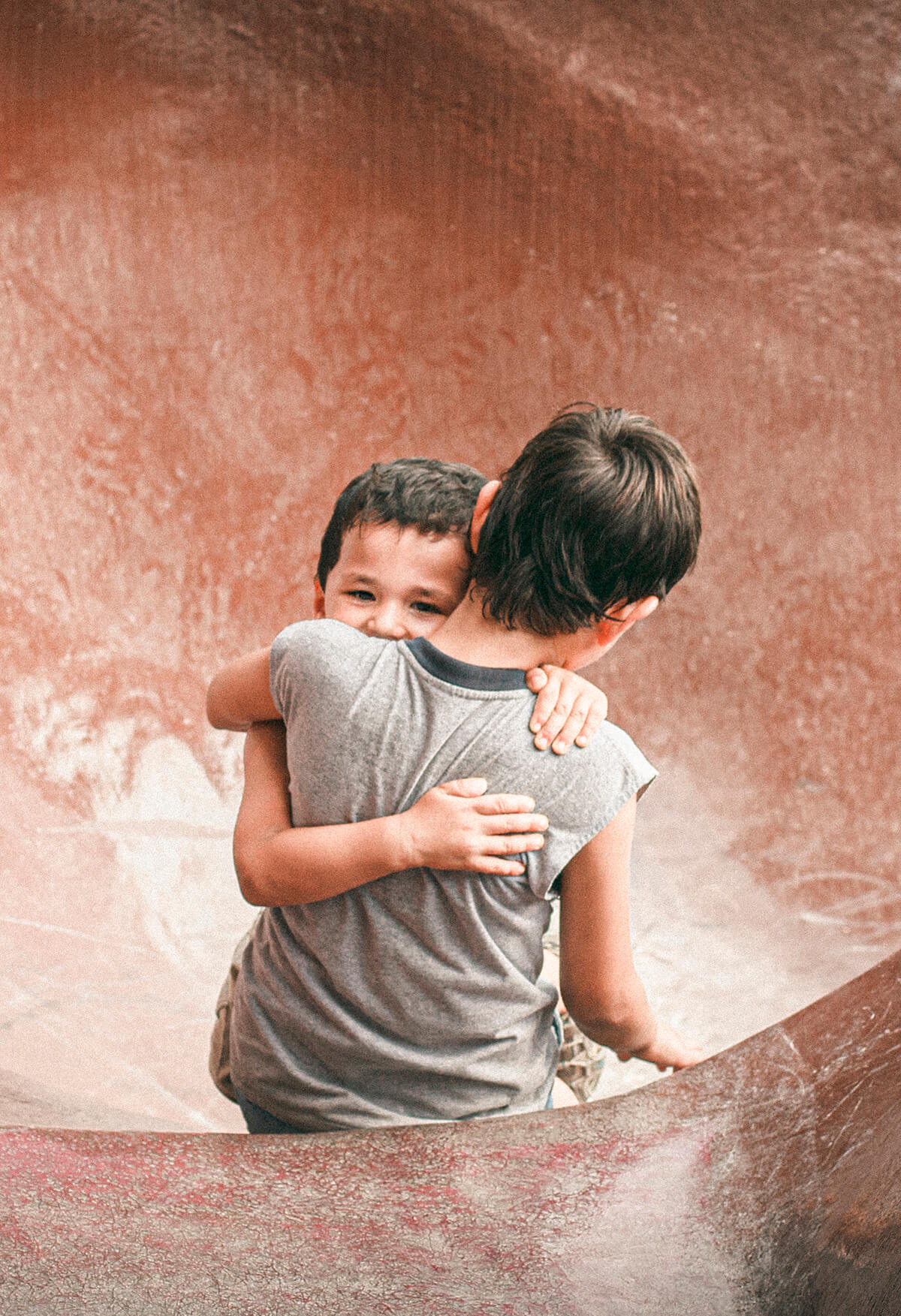
And yes, love also appears literally in my photographs, although I would say I’m more interested in connection and intimacy. I’m especially drawn to the way bodies express that intimacy in public space: gestures we might imagine happening inside a home that suddenly appear in the middle of a street, among the rush, the noise and the people. Perhaps that’s why, even when I photograph a kiss, what interests me is not only the kiss itself, but that small space two people create between them while the world carries on around them.
Where did your own love of photography begin?
I started taking photographs relatively late, when I was 26. At first, I approached photography from a more aesthetic, curious and playful place. It was an artistic form that allowed me to express myself, but very soon I discovered that what really interested me was people. And yet, in the beginning, I approached them with a lot of tension. I felt there could be something invasive about photographing someone; I hesitated, I hid.
Until one afternoon, something clicked. I went out into the street and gave myself a rule: I had to speak to every person I wanted to photograph. I could do it before or after taking the picture, but if I had already taken it and couldn’t bring myself to approach them, I had to delete it.
That afternoon I spoke to eleven people. I introduced myself, told them my name was Jose, that it was the first time I had done something like this, that I was fascinated by people but often didn’t dare to approach them, and I told each of them exactly why they had caught my attention.
Contrary to what I had imagined, their reactions were wonderful. Many told me they thought what I was doing was beautiful and that they had felt special hearing why I had wanted to photograph them. That day I didn’t just break a belief. I began to understand what photography could mean in my life and how beautiful this craft could be.
And how might you describe your photographic style now?
I find it difficult to define my photography in purely aesthetic terms. I never studied photography, and I feel that my main visual references come more from cinema than from photography itself. It was only later, as I began discovering the work of other photographers, that I clearly started to recognize myself within a humanist tradition.
I enjoy looking at what is alive, what happens unexpectedly, what surprises me, takes my breath away or gives me goosebumps. I have always been fascinated by people and endlessly curious about them: bodies expressing themselves freely in homes, on a train or in the middle of a city; emotions, vulnerability, luminosity, and also those small everyday details that suddenly become the centre of everything.
There is something in the way I photograph that is deeply connected to the child in me and to play, to that pure way of looking that can still be amazed. Going out into the world without knowing what I’m going to find, while at the same time knowing that if I open my eyes and my heart, I can find something extraordinary anywhere.
When I look at my work in perspective, I recognize certain territories I return to again and again: bodies, intimacy, connection, presence, those moments when someone seems to be fully themselves. Perhaps that is why my idea of beauty has less and less to do with perfection and more with what feels alive and true in front of me.
As a psychotherapist as well as a photographer, do the two things influence one another, or do you consider them distinct parts of your life?
At first, I saw them as two separate worlds. Psychology and psychotherapy were my training, while photography was a hobby. But they began to mix very quickly and, for many years now, they have been completely inseparable for me.
There are so many connections between them that it is difficult to summarize them. On the one hand, I remain fascinated by photography’s ability to become a tool for self-knowledge, expression and liberation. I use it with myself and also with the people I accompany: sometimes an image can allow us to see, recognize or express parts of ourselves for which we did not yet have words. And the photographic process itself can become a space in which to explore and liberate parts of ourselves that we are in conflict with or that need to find expression.
But there is another connection that is fundamental to me: the way I am with the person in front of me. I discovered this very early on. My first professional photography project involved accompanying 29 mothers for a book about breastfeeding. I entered their homes, their bedrooms, very intimate moments, and there I realized that much of what I was doing had more to do with my training as a Gestalt therapist and my way of understanding human connection than with what I knew about photography.
It had to do with respecting people’s timing, listening, breathing, being present and, above all, not hiding behind the camera. The photographs emerged from the relationship we were building.
Over time, I have understood that psychotherapy has profoundly transformed the way I approach photography, and that photography, in turn, has offered me another extraordinary form of expression and liberation, as well as a wonderful tool for accompanying people through their own processes.
I was drawn to your project A los que sueñan (To those that dream). Could you tell us a little more about it?
My first photographic projects were very much about encounters with strangers and that mixture between what can be controlled and what remains completely open and unpredictable.
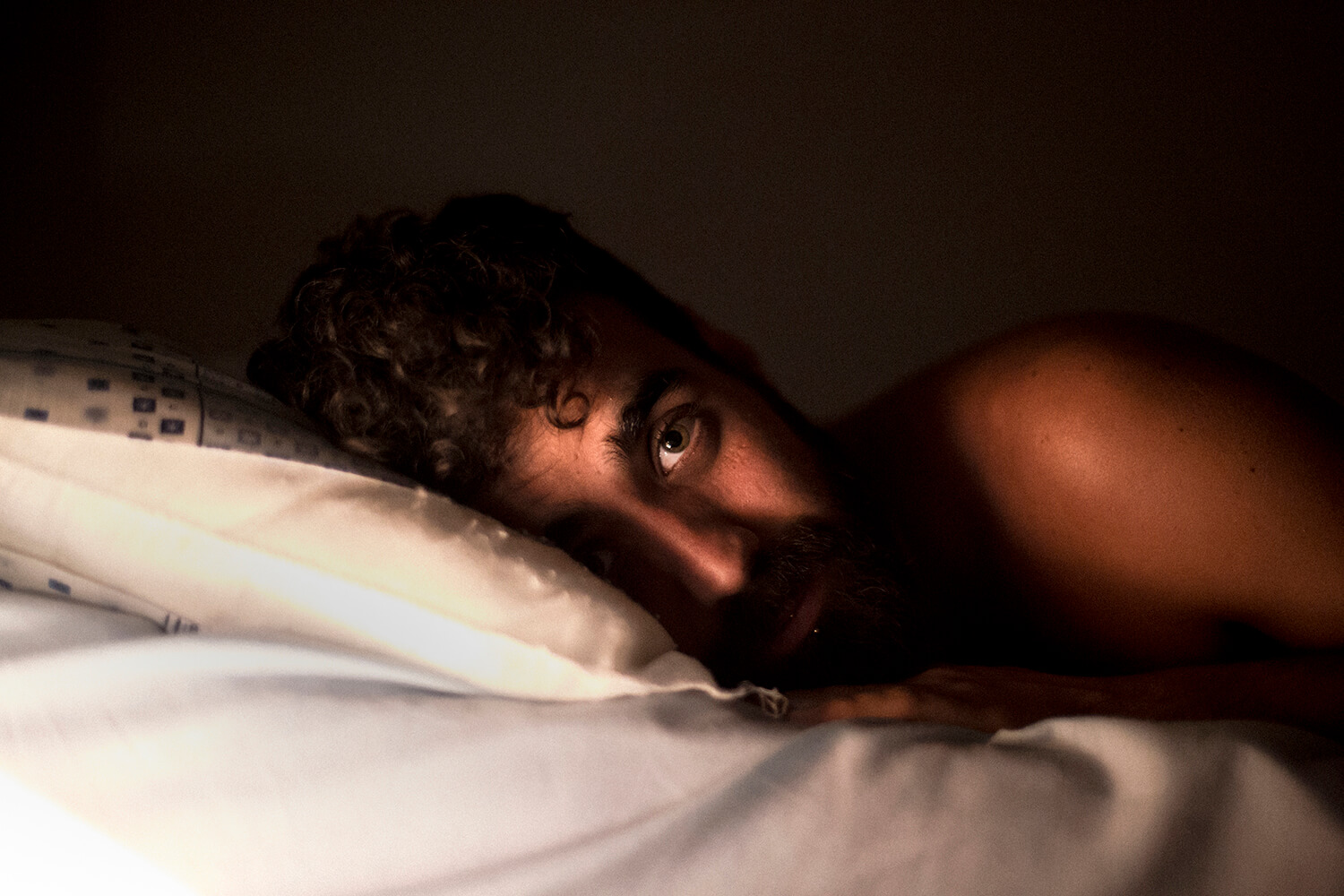
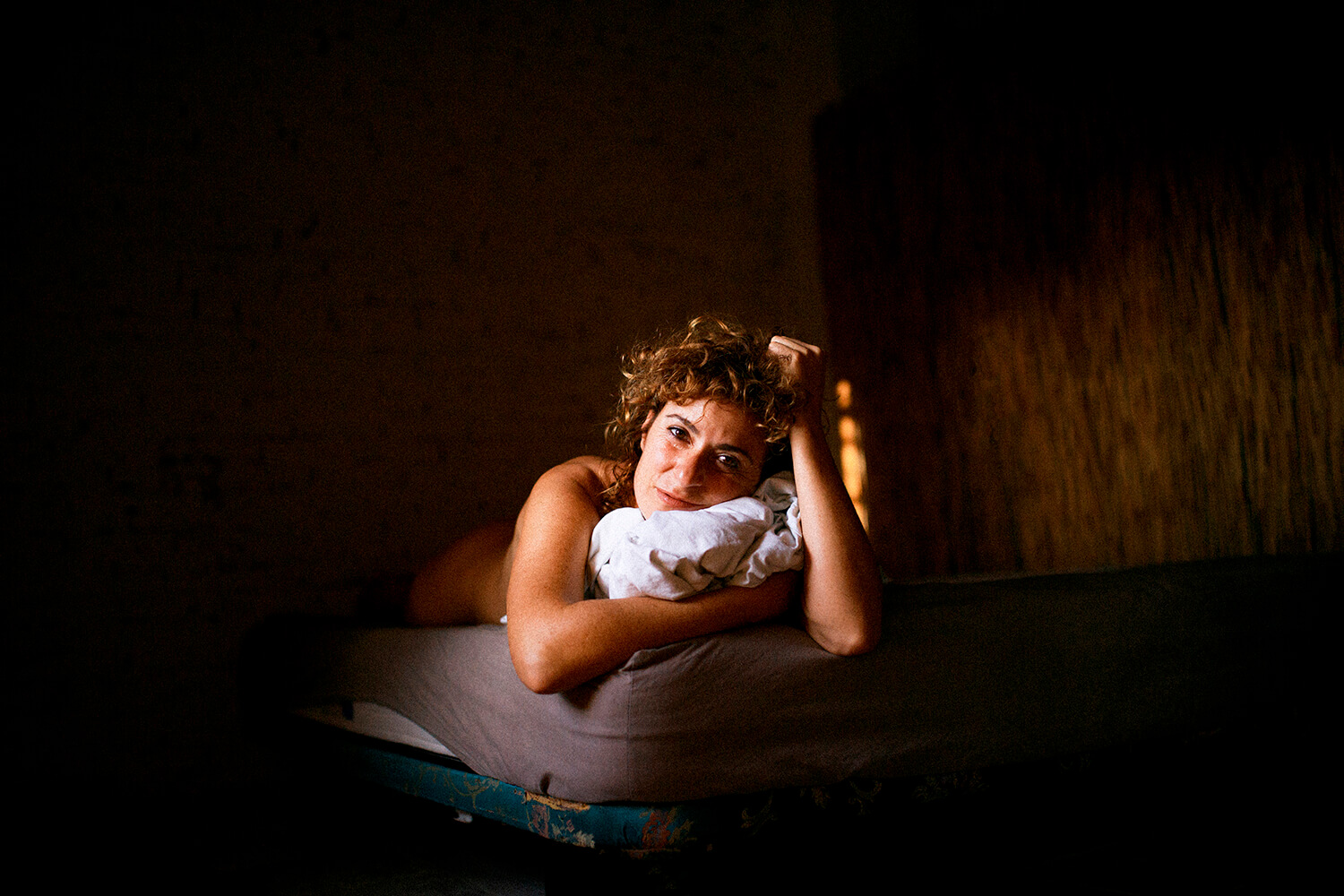
Before A los que sueñan (To Those Who Dream), I created projects in which I would spend a whole day with someone I had never met before, or share a train journey with a stranger. I was fascinated by what might happen when two people who didn’t know each other decided to meet, and by what makes someone want to be seen. A los que sueñan emerged as an evolution of that search: what would it be like to accompany a complete stranger through that very particular space that is the night, in their own home, from before they went to sleep until the moment they woke up?
During those hours, we talked about dreams — both dreams in the literal sense and dreams for their lives. I photographed within that interval between meeting, sleeping and waking. There were five encounters, and the final exhibition combined the photographs with audio fragments from those conversations.
It was an incredibly powerful experience. I discovered that there are few things more intimate than sharing a room with a stranger and being there when they wake up. Photographing that moment taught me a great deal about trust, and about how far the intimacy of an encounter can go when both people allow themselves simply to be.
JOSE’S FAVORITE SHOT
What’s inspiring you right now?
It’s interesting because, as photography became my profession, over the last few years I gradually stopped going out into the streets simply to wander and photograph. I still did it at particular moments, but there was a part of me that had become somewhat forgotten.
This summer, while looking back through my work from all these years, I found that part of myself again. It felt like reconnecting with a Jose I had missed, and I began going out again with my camera without any particular goal.
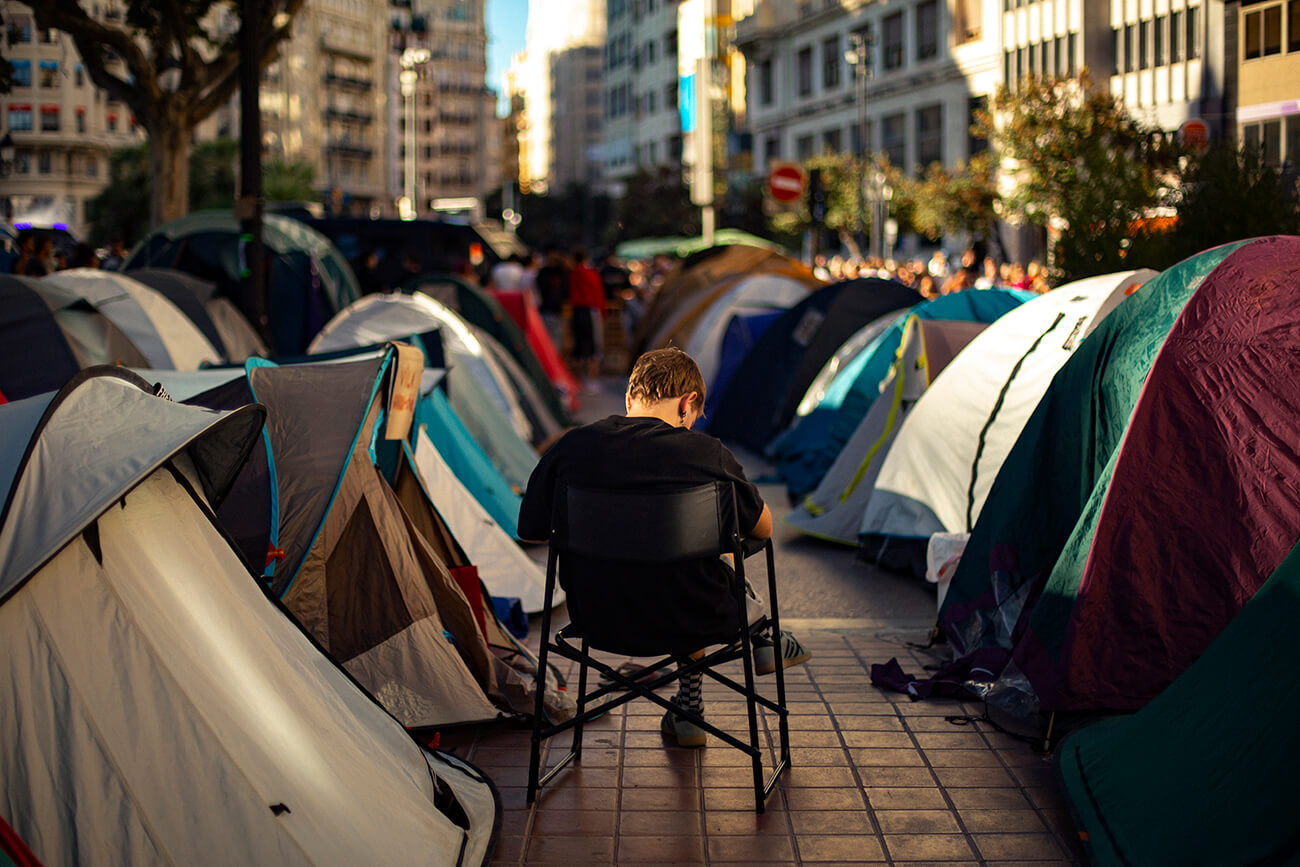
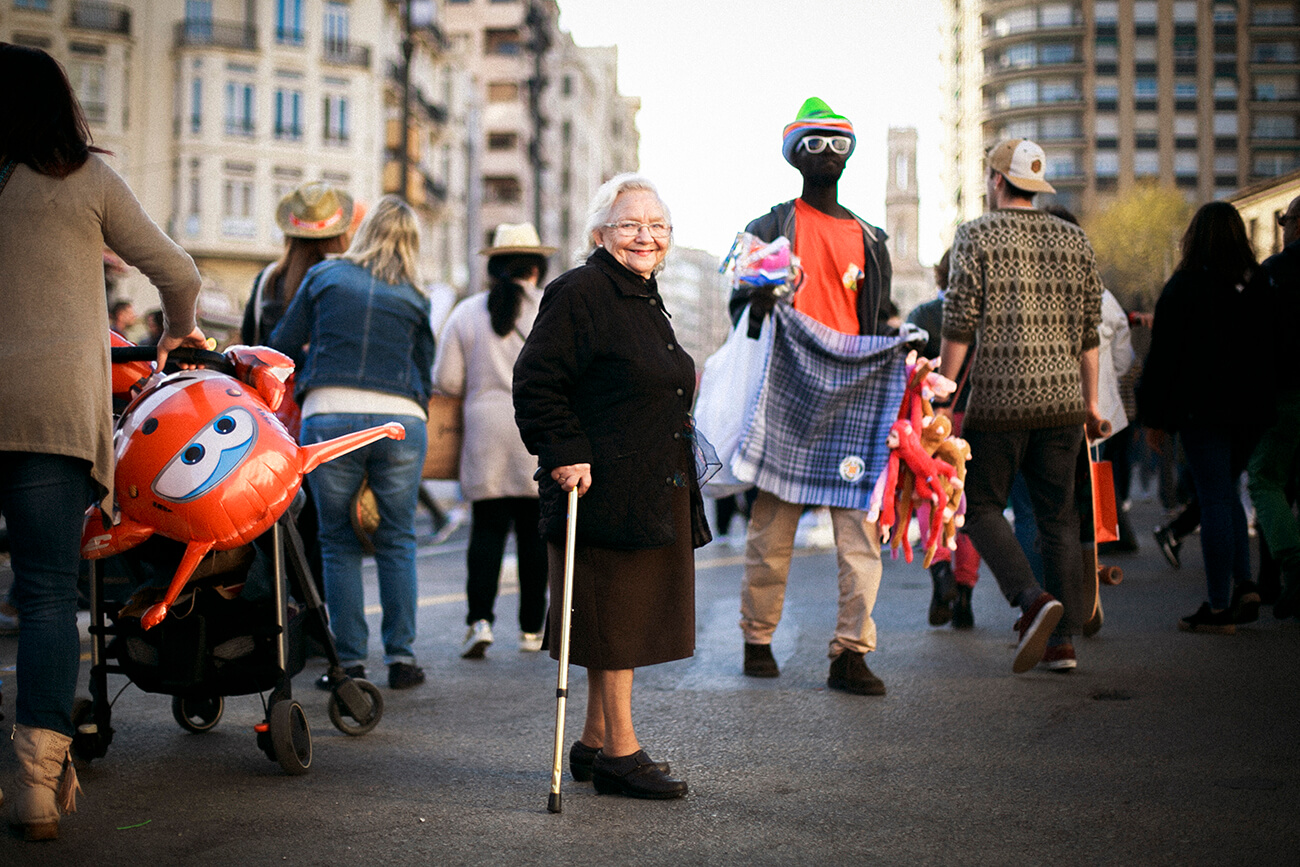
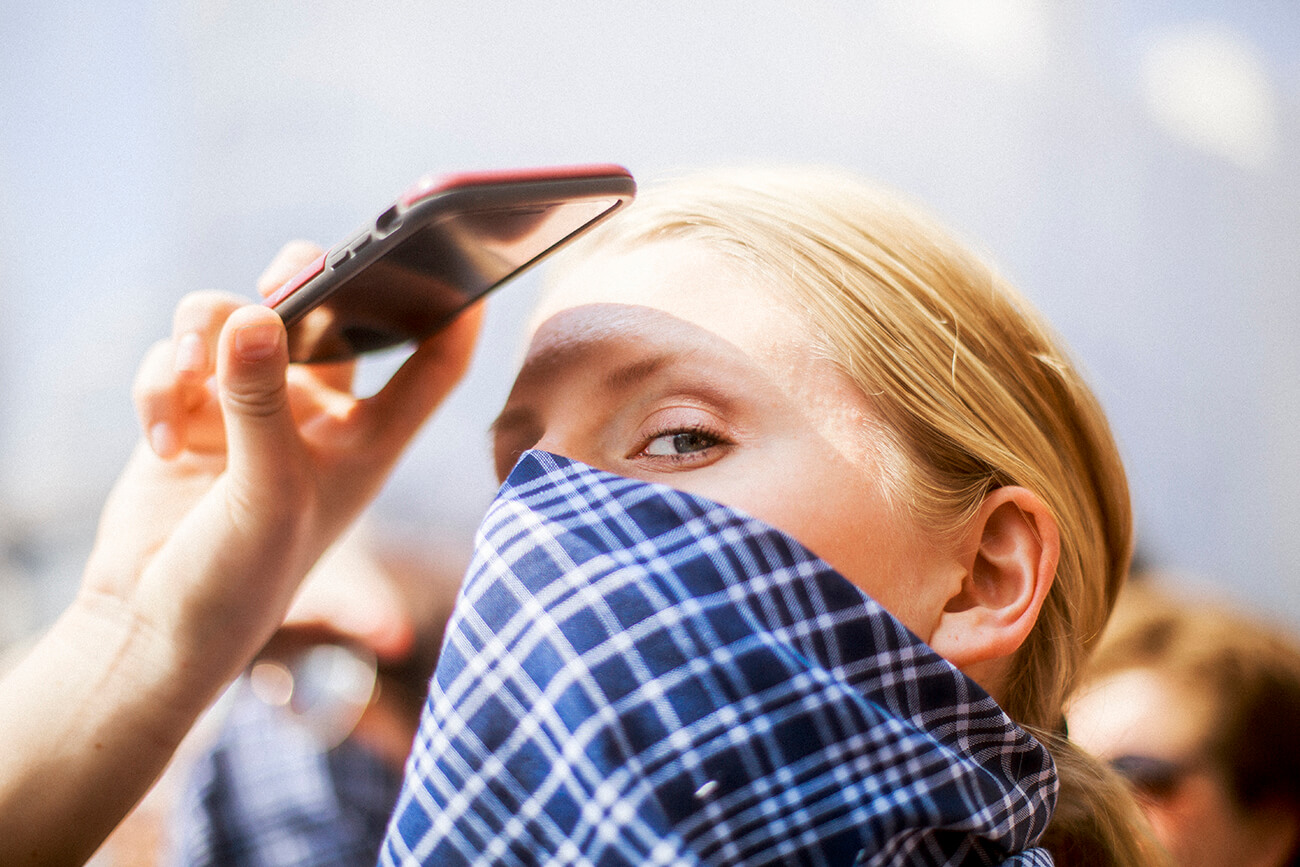
And just then, an encampment connected to the housing rights movement appeared in my city. I was there on the day it began, and what I felt drew me in and made me want to return: the hope, the sense of community, so many people — many of them very young — trying to build something together that is necessary.
Since then, I have spent about a month following that process with my camera. I had never followed anything with such continuity and commitment before. It has been beautiful to be close to it and to contribute through my own way of seeing.
I think that is what inspires me most right now: having recovered that Jose who goes out into the world with curiosity, who wants to be involved in what is happening around him, and wanting to keep giving him space.
Could you share a favorite shot aside from your winning image, and tell us about it?
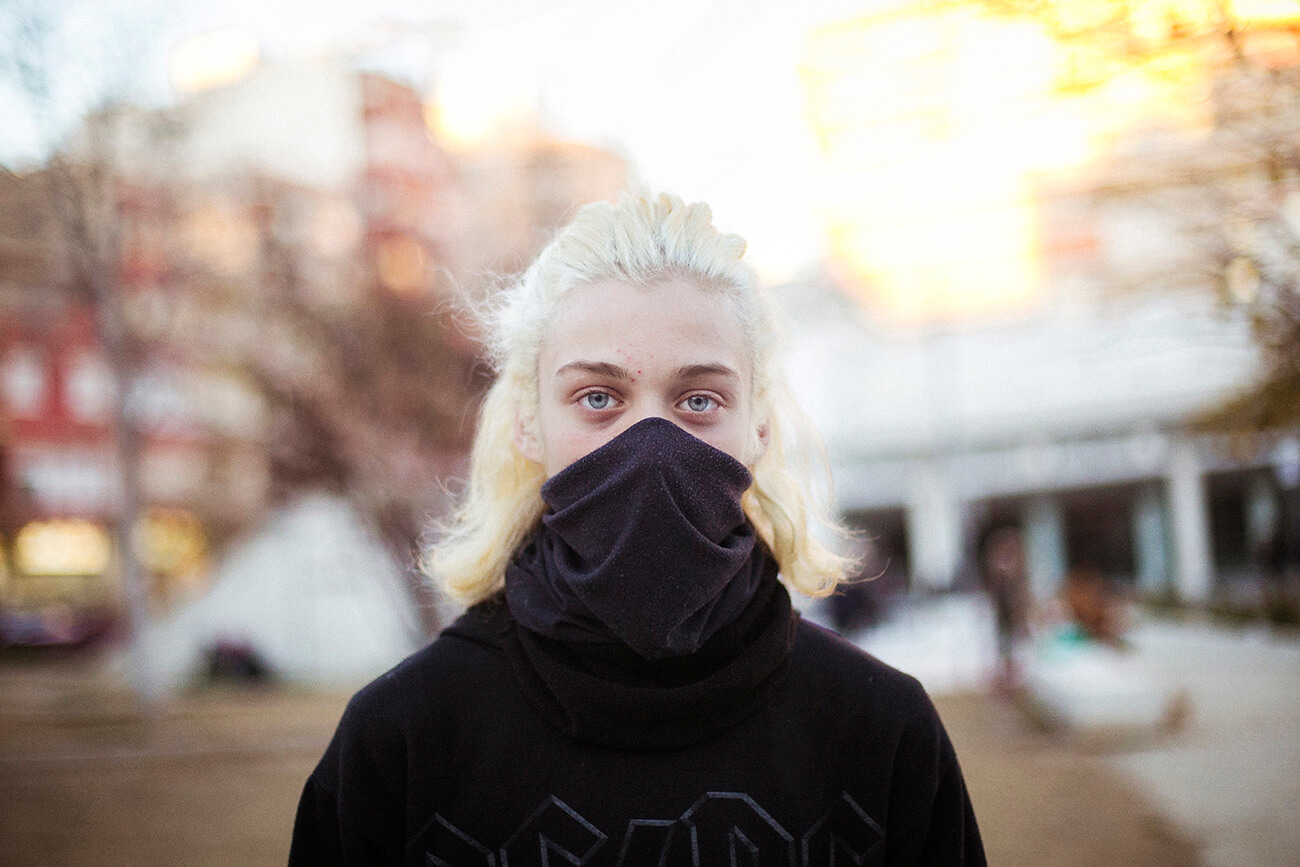
There is one photograph that marked me deeply, not only because of the image itself, but because of something the person I was photographing said to me [Editor: See image above].
It happened during one of my humanist photography workshops. That day we had been working specifically on stereotypes and on how our preconceived ideas about people can distance us from a genuine encounter with them. At the end of the afternoon, we arrived at a square where there was a group of young people with their skateboards. We approached them and, among them, this young man appeared. His presence immediately struck me.
In my workshops I also photograph in front of the group to show how I approach people, so I went up to him and told him there was something about his presence that I loved, that to me he was perfect just as he was and that he didn’t have to do anything at all. I simply wanted to look at him and photograph him. He stayed exactly as he was, looking at me. I don’t know how many seconds passed, but I was able to breathe, feel a deep connection with him, and take the photograph.
When I showed it to him and asked if he wanted me to send it to him, he looked at it and said: “That photo isn’t me. It’s you.”
I got goosebumps. Somehow, that young man had just put into words something I already sensed and have felt more and more clearly over the years: when the gaze is truly honest, every photograph is a form of self-portraiture. Years later, that image became the poster for a photography festival and was exhibited at a huge scale. He never knew how far that photograph — and his words — would travel.
What’s the best piece of advice you’d pass on to your younger self if you could?
I would walk up to him, place a hand on his chest and, looking him in the eyes, say: “You are beautiful and you have a huge heart. Don’t hesitate to show it. The world is waiting for you with open arms.”
And finally, what can we expect from you next?
What I hope and wish for myself is to keep photographing both as a professional and as an artist, in the street or in life, without losing the honesty, curiosity and freedom I had when I first found this path.
And, deep down, I also hope not to know entirely what is going to happen. To keep being surprised, letting myself be carried along, and allowing this beautiful craft of making photographs to remain an excuse for so many other things.
All images © Jose Bravo
Visit his website at www.joebravo.es and follow him on Instagram at @josebravo.es