INSPIRATION
My Favorite Shot
PORTRAITS
What’s the favorite photo you’ve taken?
Could you pick a favorite image you’ve taken? Not easy we know, but to coincide with our May 2026 PORTRAITS call for entries, we asked some of the photographers in our community to do just that. Or at least to pick a shot related to the topic that they hold dearly, were happy to have taken recently, has a great story behind it, or that resonates with them in some other way right now. Here they tell us why…
(Banner image: Martina Holmberg)
LOGAN WHITE


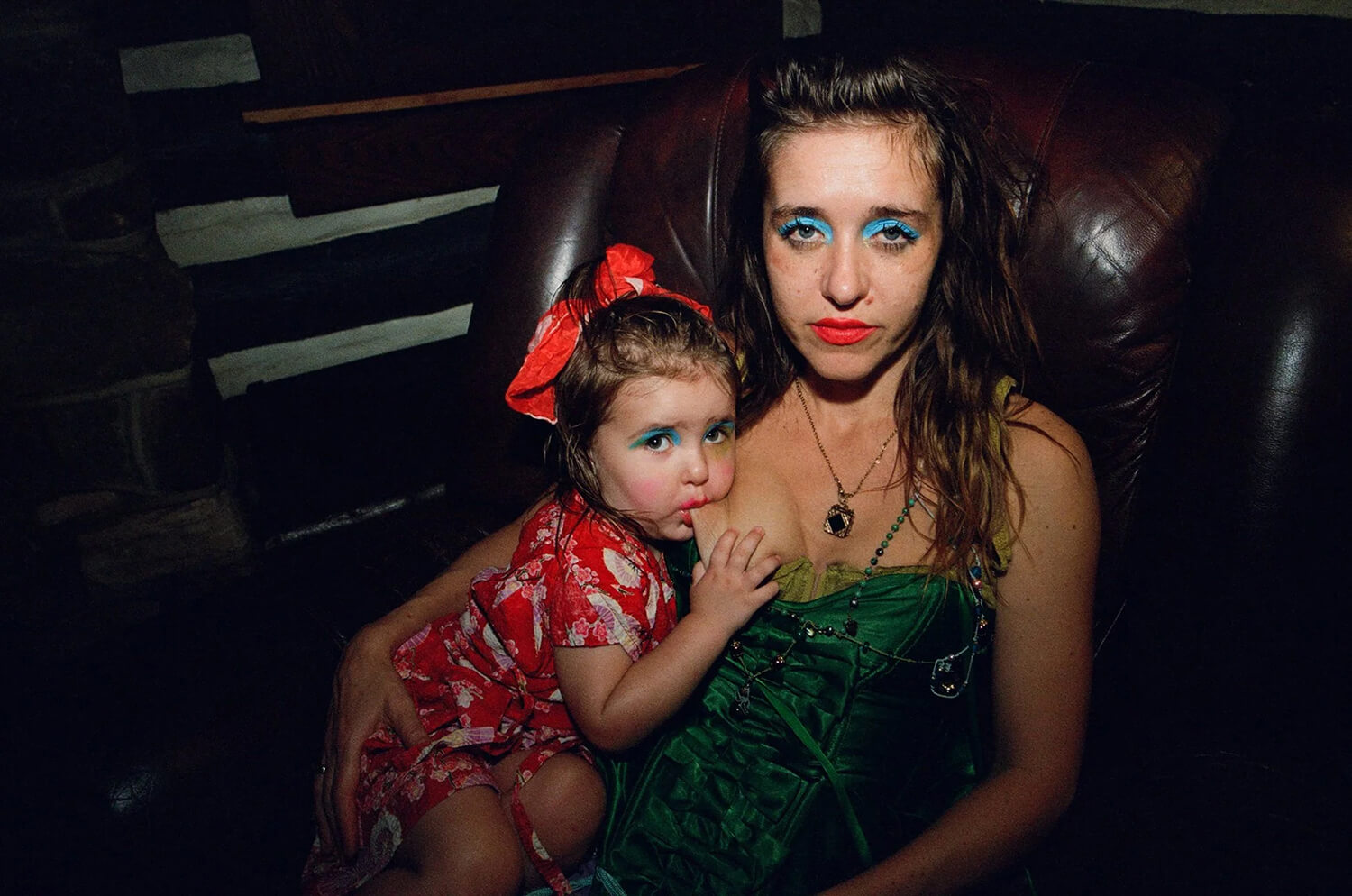
Breastfeeding at the Séance
I took this portrait of Labanna and her daughter Levi during a séance at a haunted house in South Carolina. The local lore suggests that in 1927, Nancy, a teenage sex worker was hired as the “entertainment” for a party, but when she discovered that her father had become aware of her activities and was on his way to the cabin to either punish or kill her, she locked herself in the bathroom and ended her life. The séance was an attempt to abolish shame for the spirit of Nancy, and encourage the children in attendance to dance, love, and accept their bodies and themselves.”
“I do portrait photography because I love what the body and face can communicate. I love the collaboration of inhabiting a space with another person and setting out to represent not only them, but also myself, and hopefully some universal truth. In that sense, I’ve always treated the figure as a messenger of a cryptic language, full of symbols and open to interpretation. Portraiture has enormous potential to call into question our understanding of reality, personal experience, and time. I also love working with women because it feels like an empathic psychic exchange—cathartic, healing, and punk.”
ANNA LIGUS
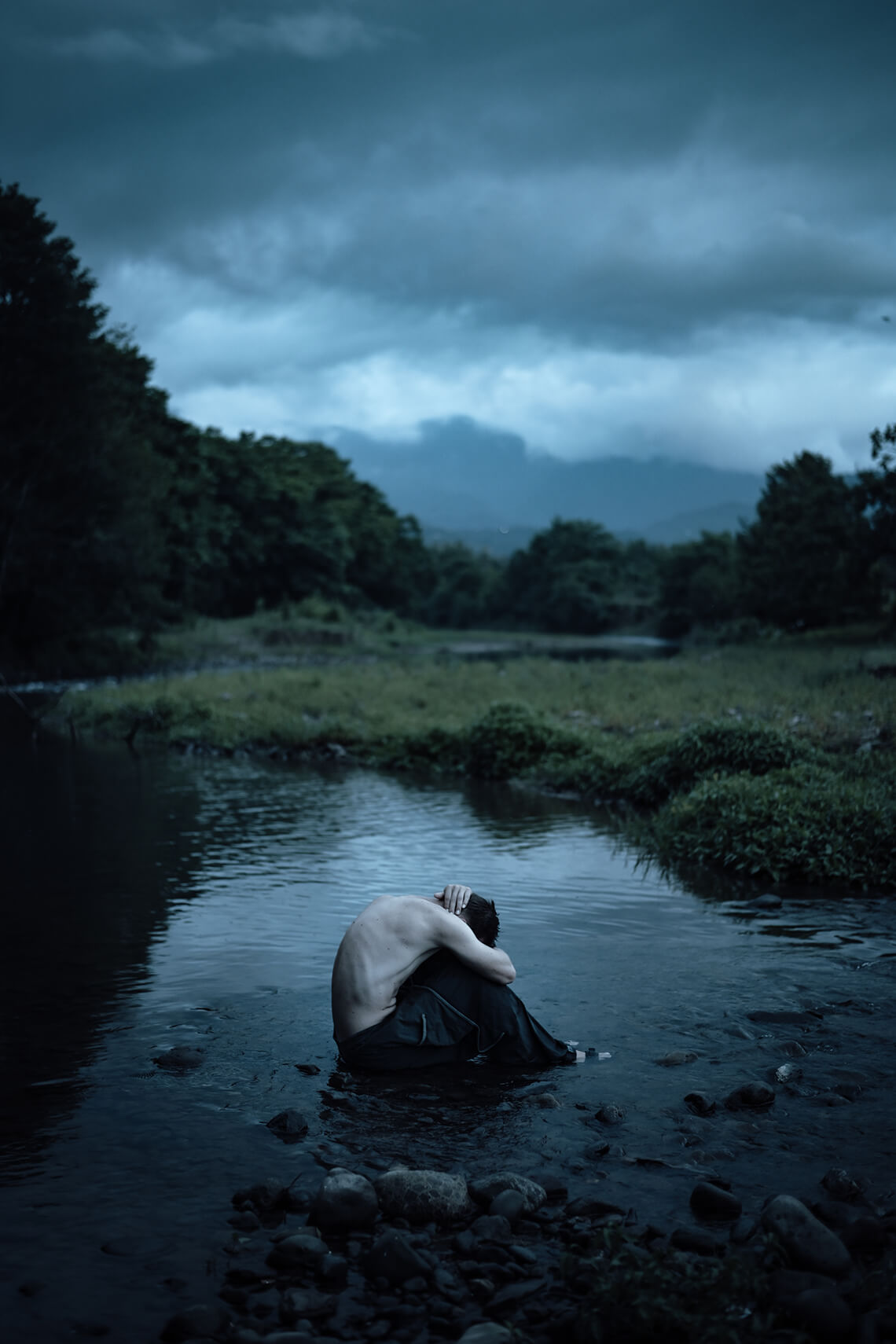
“This is a portrait of my husband. After crossing the river and finding a secluded spot with a beautiful setting, we took a series of photos. I like to convey the subject’s state of mind through the silence of nature and emotions through the weather. Returning across the river after the shoot, it was a little tense being in the water during a thunderstorm. For me, this isn’t just a successful photo from my perspective, but also an adventure shared with my husband.”
“I’m particularly drawn to the plasticity of the human body. I return to portraiture because it allows me to translate internal states into something visible. It’s a way of speaking about what is difficult to express directly, while maintaining a certain distance.”
MARTINA HOLMBERG
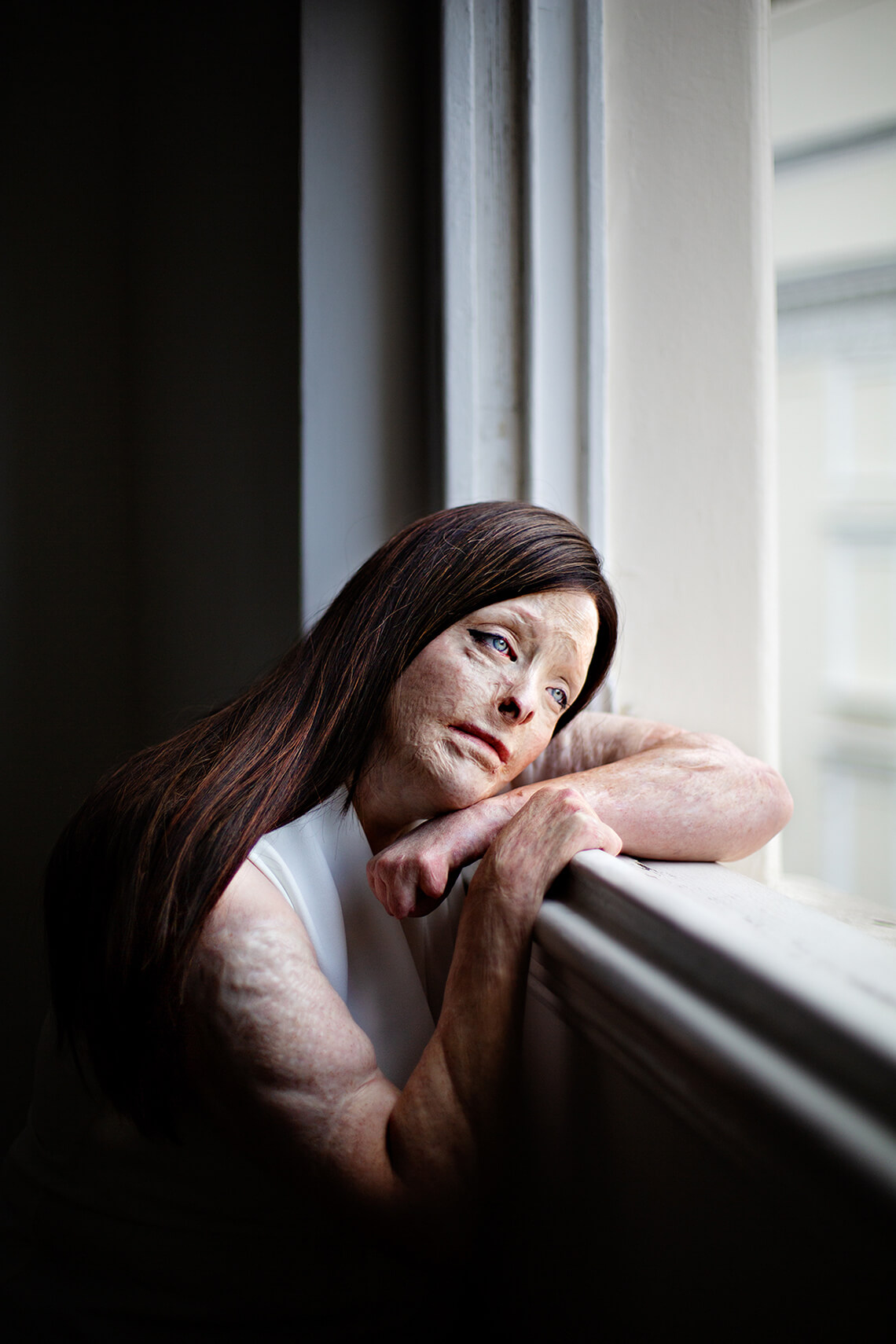
Mel
“This photograph is part of my project The Outside of the Inside. It means a great deal to me for many reasons. It is rare for everything to fall into place, but this was one of those images where everything aligned — the light, the room, the composition, the encounter. I met Mel for the first time that day, and we connected instantly. It became a relaxed and open meeting where she shared parts of her life story, including the severe fire accident she survived as a child. There was such warmth, honesty and presence in the room, and I think that is something I still feel when I look at the photograph.
The photograph won first prize in the Taylor Wessing Portrait Prize 2025. Mel flew in from Belfast to attend the award ceremony, and it was incredibly moving to share that moment with her. She is a remarkable person who has become a lifelong friend.”
“I have always been drawn to portraiture — to trying to move beyond the surface and capture an inner state, something genuine beyond the facade. It requires patience. Often, my best images emerge towards the end, when the person has almost forgotten that I am in the room. It is often there and then that a certain calm appears, when the person simply is.”
LIEVEN ENGELEN
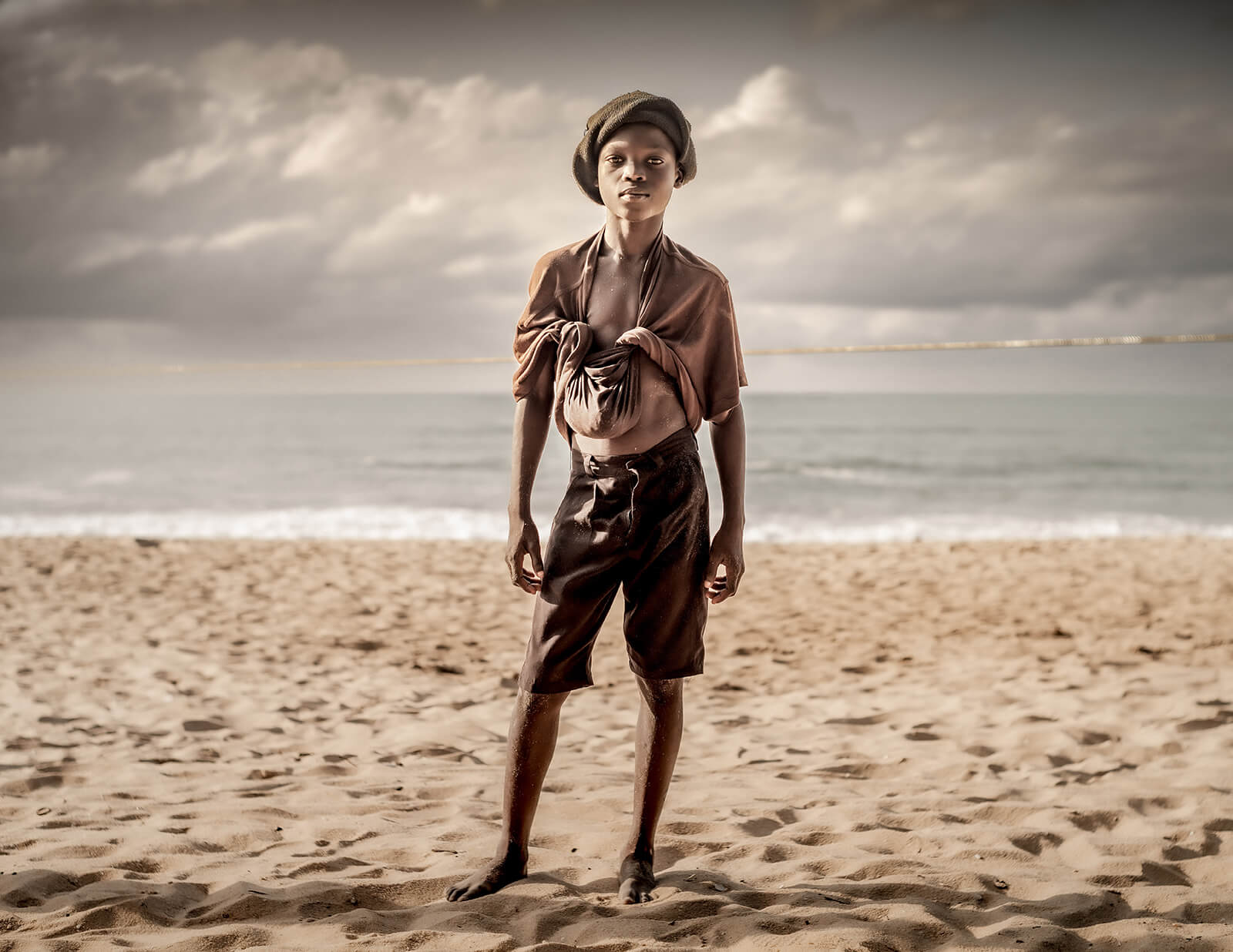
Bernard Mate Butu at the shore of Cape Coast
“One of my favourites has to be this portrait of proud and self-assured Bernard from the series Children of the Sea. These are the children whose fate and future is closely linked with that of our oceans. They see themselves as the true custodians of these giant ecosystems as their livelihood depends on the health of it. A disastrous catch will mean going to bed hungry and getting up hungry. Small wonder that underneath these ragged looks lives a fiercely proud community.”
“Portrait photography is, when done properly, a reflection of one’s inner mind. When you’re at ease, your subject will be too. When you project a nervous state of mind your subject will. Both are on equal terms. A self-confident image doesn’t just happen by accident. It happens because it was meant to happen.”
VERONIKA HSU
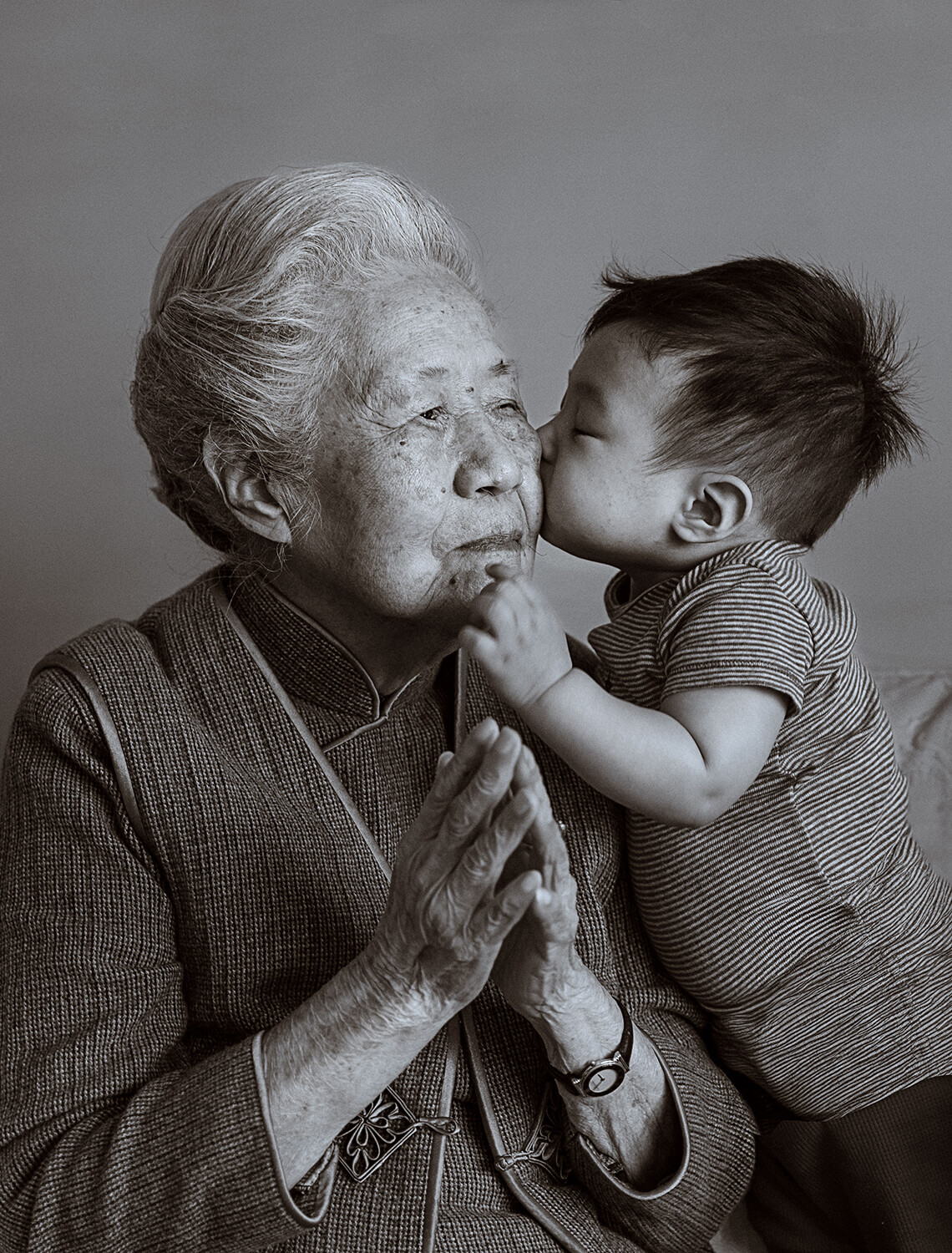
Kiss of a century. Popo and Michil
“This image holds a quiet kind of gravity for me. It captures a weightless moment – a gentle kiss on the cheek, yet behind it sits a century of history. Winifred Shen was born in mainland China and lived through two wars, crossing continents and languages throughout her life. In this photograph, she meets her great-grandson for the first time, a child who has just taken his first cross-continental flight to Taiwan to give her this gift of a lifetime.
What moves me most is the compression of time within the frame. A hundred years separate them, yet in that instant there is no distance, no trace of history’s hardships and only a peaceful moment and an enormous amount of love. I return to this image often because it reminds me that photography can hold both intimacy and scale at once.”
“I think my connection to portrait photography started very early. My father used to document our family, and growing up I was his little assistant in the darkroom. Now it’s funny that he watches me editing digital photos in Lightroom. I keep returning to portraiture because it feels like the most direct way to understand people, preserve memory and it feels the most honest. I’m drawn to those small, quiet moments that help me investigate how identity is shaped, transformed, and continuously changed over time.”
OLGA DE LA IGLESIA
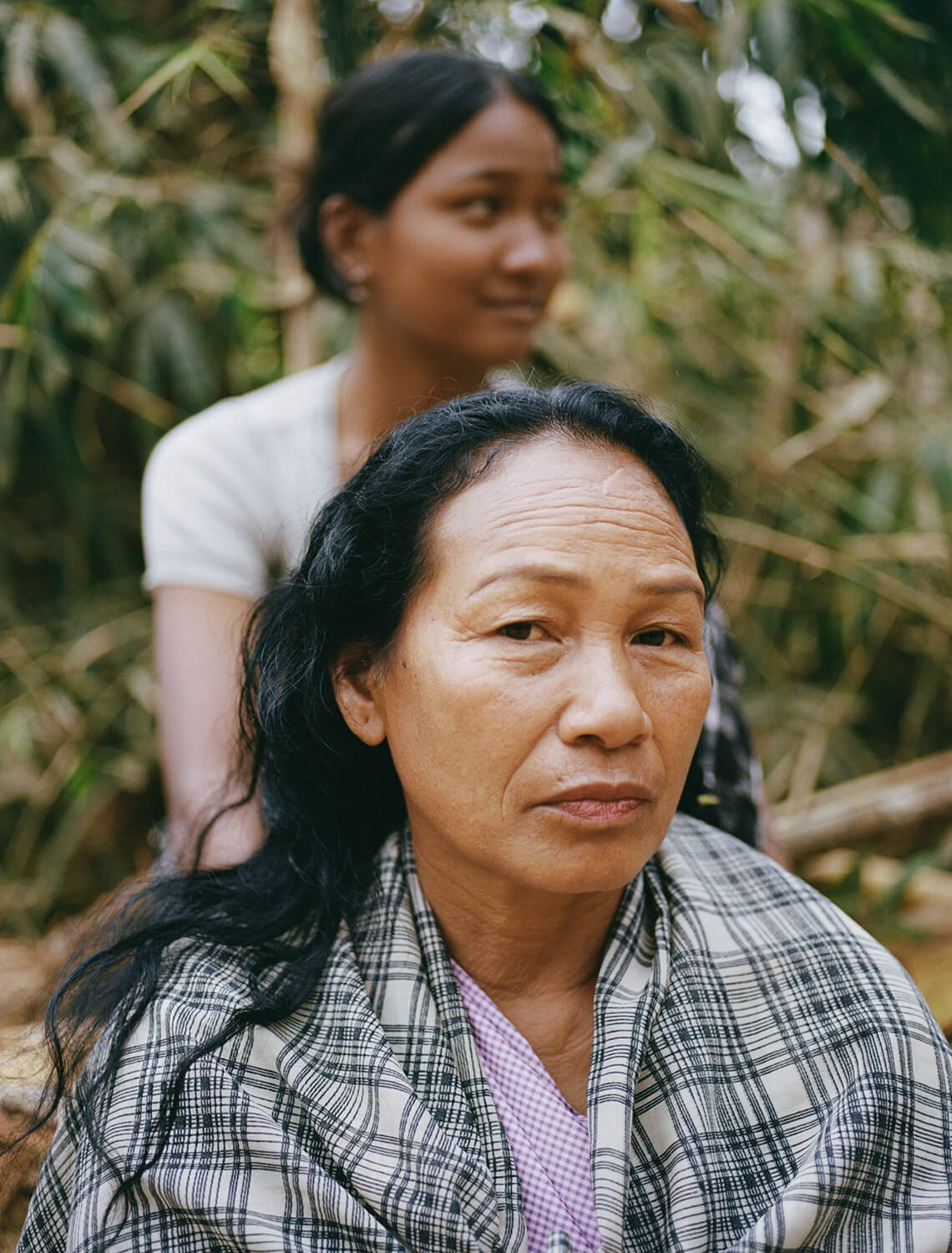
Meghalaya, India 2025
“We were looking for a silkworm farm where the silkworms produce silk naturally and freely. The road was dirt and very bumpy. Suddenly, we saw a familiar scene among some trees. A mother was resting, sitting on a log, while her daughter combed her hair, and another daughter and son stood nearby. We stopped to photograph the scene. In these lands, In Khasi matrilineal and matricentric societies, women inherit the land and the home and are guardians of memory and culture. They teach practices such as cleaning, respect for the forests, sustainable agriculture, and the maintenance of the paths. This collective and daily care can be understood as a form of ethics of care extended to the landscape and time. All these practices reflect a living spirituality, where nature is not exploited but cared for as part of the lineage and the collective soul. Matricentric or matrilineal societies embody worldviews where cooperation, interdependence, and respect for nature prevail over competition, accumulation, and structural violence; they are living realities that offer models of coexistence, sustainability, and shared dignity.”
“Photographing someone feels like being closer to them, like discovering another reality, another truth… the act of connecting with someone on such a profound level through an image, and even beyond it, is one of the things that fills me with the most wonder and freedom. It’s an act of generosity and love to say to someone, “I’ve noticed you, and I want to create an image based on your beauty, your story, or your context…” I always return to portrait because it makes me feel human and part of humanity.”
HARMEN MEINSMA
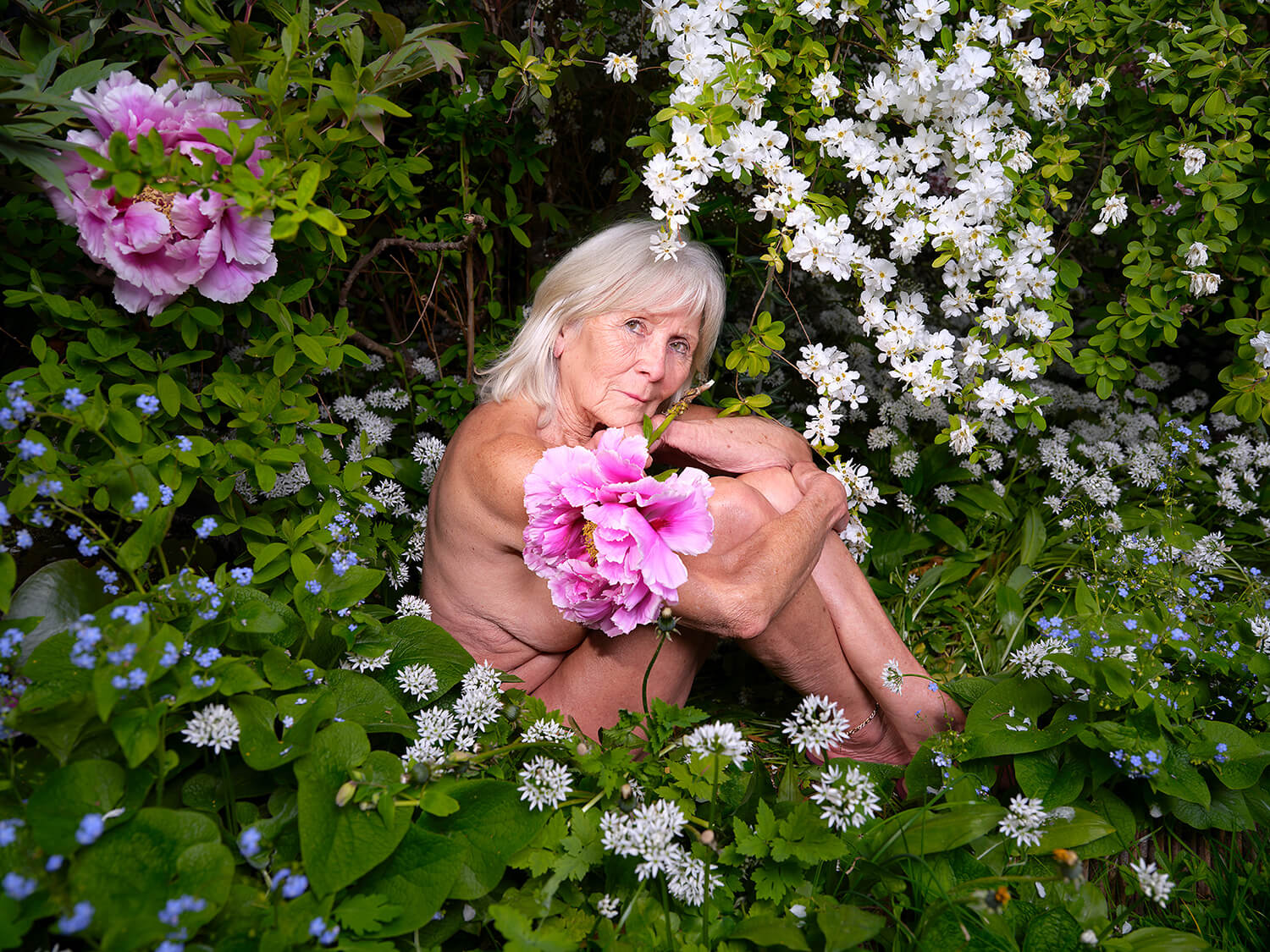
Garden of Joyce, Spring 2026
“Joyce and I first met in 2015 at a market in Rotterdam, and we’ve continued working together ever since. Over the years, her garden slowly became a recurring setting within the work, almost like its own world that changes with the seasons alongside her. This portrait was chosen because it captures something that feels central to our collaboration: trust, vulnerability and freedom. Although the image is carefully constructed, there is also something very natural and unguarded about it. For me, it is not only a portrait of Joyce, but also a portrait of the connection and visual language we’ve built together over many years.”
“Portrait photography keeps drawing me back because the camera creates a way to connect with people. It gives shape to an encounter, and allows something to happen that might not have happened otherwise. What I love most about portraiture is that it can reveal something deeply human without needing a big story or explanation. A gesture, a gaze, a certain atmosphere or sense of trust can already say so much.”